How Does an Angle Valve Improve Flow Control and System Efficiency?
2026-03-26
Article Summary
Angle valves are essential components in fluid control systems, widely used in residential plumbing, industrial pipelines, and commercial installations. This article explains how angle valves function, their advantages, and how they solve common customer pain points such as leakage, pressure instability, and maintenance difficulty. With structured insights and practical selection guidance, readers will gain a clear understanding of how to maximize system efficiency using the right angle valve.
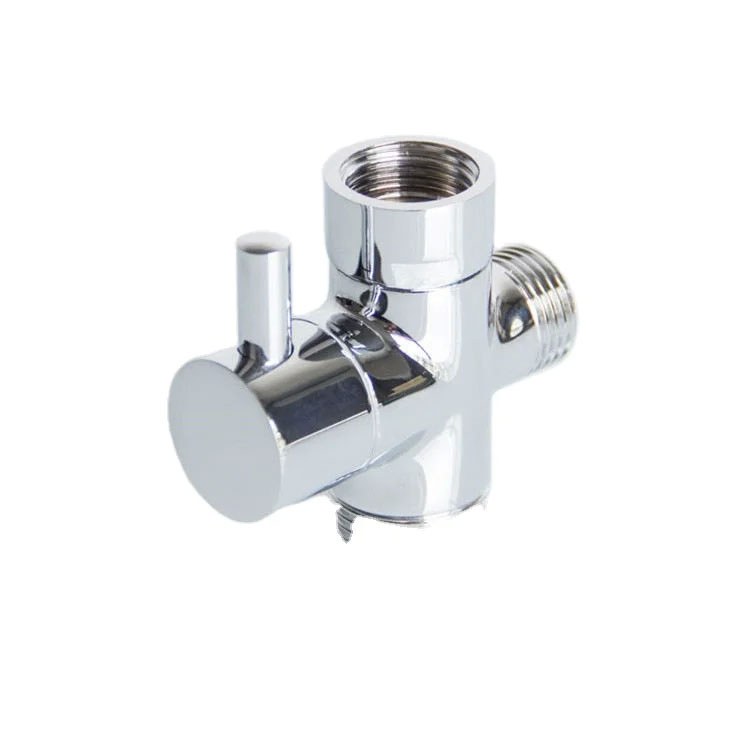
Table of Contents
- 1. What Is an Angle Valve?
- 2. How Does an Angle Valve Work?
- 3. Common Problems Solved by Angle Valves
- 4. Key Features and Technical Specifications
- 5. Types of Angle Valves
- 6. How to Choose the Right Angle Valve
- 7. Installation and Maintenance Tips
- 8. Frequently Asked Questions
- 9. Conclusion
1. What Is an Angle Valve?
An angle valve is a type of valve designed with an inlet and outlet positioned at a 90-degree angle. It is primarily used to control the flow of water or other fluids in plumbing systems. Unlike straight valves, the angular design allows for easier installation in tight spaces and provides better directional control of fluid flow.
Angle valves are commonly found in bathrooms, kitchens, and industrial piping systems where precise flow regulation is required.
2. How Does an Angle Valve Work?
The working principle of an angle valve is straightforward yet highly effective. When the valve handle is turned, it moves an internal stem connected to a sealing mechanism. This action either opens or closes the flow path.
- Turning the handle counterclockwise opens the valve
- Turning it clockwise closes the valve
- The internal seal ensures leak-proof operation
The 90-degree design not only changes the flow direction but also helps reduce turbulence and maintain stable pressure in the system.
3. Common Problems Solved by Angle Valves
Customers often face multiple challenges in fluid systems, and angle valves are specifically designed to address these issues:
- Leakage: High-quality sealing materials prevent water leakage
- Space Constraints: Compact design fits into tight installation areas
- Flow Control: Enables precise adjustment of water flow
- Maintenance: Easy shut-off for repairs and replacements
By solving these problems, angle valves significantly improve system reliability and user convenience.
4. Key Features and Technical Specifications
| Feature | Description |
| Material | Brass, stainless steel, or zinc alloy |
| Connection Type | Threaded or compression fitting |
| Pressure Rating | Suitable for low to medium pressure systems |
| Temperature Range | Handles hot and cold water applications |
| Seal Type | Ceramic disc or rubber gasket |
| Finish | Chrome-plated or corrosion-resistant coating |
Manufacturers like MNBAM focus on producing angle valves with durable materials and precision engineering to ensure long service life and consistent performance.
5. Types of Angle Valves
There are several types of angle valves designed for different applications:
- Standard Angle Valve: Used in basic plumbing systems
- Compression Angle Valve: Easy installation without soldering
- Quarter-Turn Valve: Quick operation with minimal effort
- Multi-Turn Valve: Provides fine control over flow rate
Each type offers unique benefits depending on system requirements and user preferences.
6. How to Choose the Right Angle Valve
Selecting the right angle valve involves considering several important factors:
- Application: Residential, commercial, or industrial use
- Material Quality: Corrosion resistance and durability
- Size Compatibility: Matching pipe dimensions
- Pressure Requirements: Ensuring safe operation
- Ease of Use: Handle design and operation mechanism
Choosing a reliable supplier ensures consistent quality and better after-sales support.
7. Installation and Maintenance Tips
Proper installation and maintenance are key to maximizing the lifespan of an angle valve:
- Ensure correct alignment with the pipeline
- Use sealing tape to prevent leaks
- Avoid over-tightening connections
- Regularly check for wear and corrosion
Routine maintenance helps prevent unexpected failures and ensures optimal performance.
8. Frequently Asked Questions
Q1: What is the main advantage of an angle valve?
The main advantage is its ability to control flow while changing direction, making it ideal for compact spaces and efficient plumbing layouts.
Q2: How long does an angle valve last?
With proper maintenance, a high-quality angle valve can last for many years without performance issues.
Q3: Can angle valves handle high pressure?
Most angle valves are designed for standard pressure systems. For high-pressure applications, specialized valves are recommended.
Q4: Is installation difficult?
Installation is relatively simple and can be completed with basic tools, but professional installation is recommended for best results.
9. Conclusion
Angle valves play a crucial role in modern fluid control systems by providing efficient flow regulation, easy maintenance, and reliable performance. Whether for residential or industrial applications, choosing the right valve can significantly enhance system efficiency and reduce long-term costs.
MNBAM offers high-quality angle valve solutions designed to meet diverse application needs with durability and precision.
If you are looking for dependable angle valves that deliver consistent performance and long-term value, contact us today to learn more about our products and find the perfect solution for your project.