

How Does an Aluminum Profile Chassis Enclosure Compare to Steel or Plastic Alternatives in Terms of Durability
2026-03-30
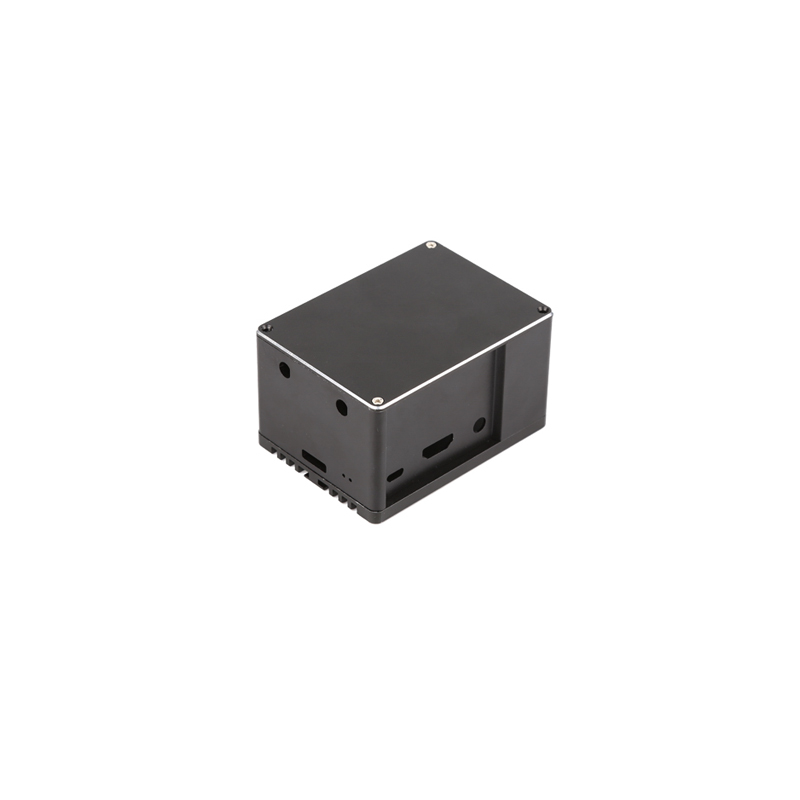
When selecting an enclosure for industrial electronics, precision instrumentation, or automation systems, durability is often the deciding factor. The Aluminum Profile Chassis Enclosure has emerged as a preferred solution for engineers seeking a balance of strength, longevity, and environmental resilience. At Zhongyilong, we specialize in crafting high-performance Aluminum Profile Chassis Enclosure systems that consistently outperform traditional steel and plastic alternatives across critical durability metrics.
Understanding Durability in Enclosure Design
Durability encompasses more than just impact resistance. It includes structural integrity under load, corrosion resistance, thermal stability, and long-term dimensional accuracy. Below is a comparative breakdown of how Aluminum Profile Chassis Enclosure solutions stack up against steel and plastic counterparts.
| Durability Factor | Aluminum Profile Chassis Enclosure | Steel Enclosure | Plastic Enclosure |
|---|---|---|---|
| Corrosion Resistance | Excellent; naturally forms protective oxide layer; ideal for humid or chemically exposed environments | Poor without coating; prone to rust; requires galvanization or painting | Good for non-corrosive environments; UV exposure can cause degradation over time |
| Strength-to-Weight Ratio | High; provides robust structural support with significantly lower weight | Very high absolute strength but heavy; complicates installation and transport | Low to moderate; susceptible to flexing under load |
| Thermal Management | Excellent heat dissipation; acts as a passive heatsink for internal components | Moderate; steel retains heat; requires active cooling systems | Poor; acts as thermal insulator; risks overheating sensitive electronics |
| Impact Resistance | High; extruded profiles offer consistent structural rigidity | Very high; ideal for heavy machinery applications | Variable; can crack or deform under sustained stress |
| Dimensional Stability | Superior; maintains shape across wide temperature ranges | Stable but susceptible to rust-induced deformation | Prone to warping, shrinkage, or expansion with temperature fluctuations |
Why Aluminum Profile Chassis Enclosure Excels in Long-Term Performance
The extruded aluminum profile design offers unique durability advantages. Unlike welded steel structures, Aluminum Profile Chassis Enclosure systems utilize modular framing with reinforced joints, allowing controlled flex under vibration without permanent deformation. This characteristic is particularly valuable in transportation, aerospace, and high-vibration industrial settings.
Furthermore, Zhongyilong employs precision surface treatments—including anodizing and powder coating—that elevate corrosion resistance beyond standard aluminum capabilities. For applications requiring electromagnetic shielding or outdoor deployment, our Aluminum Profile Chassis Enclosure solutions deliver consistent performance where plastic enclosures would degrade and steel would add unnecessary weight.
Aluminum Profile Chassis Enclosure FAQ
What makes an Aluminum Profile Chassis Enclosure more durable than plastic in outdoor environments?
An Aluminum Profile Chassis Enclosure offers inherent resistance to UV radiation, moisture, and temperature extremes that typically cause plastic enclosures to become brittle, discolor, or warp. The extruded aluminum construction maintains structural rigidity from -40°C to over 80°C without expansion-related seal failure. Additionally, the non-porous surface of anodized aluminum prevents moisture ingress and mold growth, ensuring long-term protection for sensitive electronics. For outdoor deployments such as telecommunications cabinets or solar inverter housings, this durability translates to a service life that often exceeds 15 to 20 years—substantially longer than comparable plastic enclosures.
Can an Aluminum Profile Chassis Enclosure withstand the same mechanical stress as steel without adding weight?
Yes, through strategic profile design and alloy selection, an Aluminum Profile Chassis Enclosure achieves remarkable mechanical strength while maintaining a significantly lighter footprint. While steel offers higher absolute tensile strength, aluminum’s superior strength-to-weight ratio allows engineers to increase wall thickness or incorporate reinforcing ribs without proportionally increasing overall mass. This makes Zhongyilong enclosures ideal for applications such as portable test equipment, vehicle-mounted systems, or modular machinery where weight constraints are critical. Furthermore, aluminum’s natural flexibility absorbs impact energy differently than steel—distributing stress rather than concentrating it—which can prevent catastrophic failure in dynamic load scenarios.
How does thermal durability affect the lifespan of an Aluminum Profile Chassis Enclosure compared to alternatives
Thermal durability directly impacts both the enclosure itself and the components it houses. An Aluminum Profile Chassis Enclosure functions as an efficient thermal conductor, dissipating heat generated by internal electronics and preventing localized hot spots that accelerate component aging. In contrast, steel enclosures trap heat, often necessitating additional cooling systems that introduce failure points, while plastic enclosures insulate heat, leading to premature capacitor and semiconductor degradation. By maintaining lower internal operating temperatures, Zhongyilong aluminum enclosures extend the mean time between failures (MTBF) of housed equipment, reducing long-term maintenance costs and unplanned downtime—a critical advantage for industrial automation and data infrastructure applications.
Conclusion
For engineers and procurement specialists prioritizing long-term reliability, the Aluminum Profile Chassis Enclosure delivers a durability profile that bridges the gap between steel’s strength and plastic’s lightweight flexibility. With superior corrosion resistance, thermal management, and dimensional stability, these enclosures provide a compelling total cost of ownership advantage across industrial, commercial, and mission-critical applications.
Zhongyilong brings decades of precision manufacturing expertise to every Aluminum Profile Chassis Enclosure project. From custom profile machining to surface finishing and assembly, we engineer solutions that endure.
Contact us today to discuss your specific application requirements and request a tailored quotation for your next enclosure project.
