How Does Alloy Fan Impeller Improve Industrial Airflow Performance?
2026-04-22
Abstract
Alloy fan impellers are critical components in modern industrial ventilation, cooling, and air-handling systems. Compared with traditional impeller materials, alloy-based designs offer improved durability, higher efficiency, and better resistance to harsh operating conditions. This article explores how alloy fan impellers enhance airflow performance, reduce maintenance costs, and improve long-term system reliability. It is designed to help engineers, procurement managers, and equipment users make informed decisions when selecting high-performance impeller solutions.
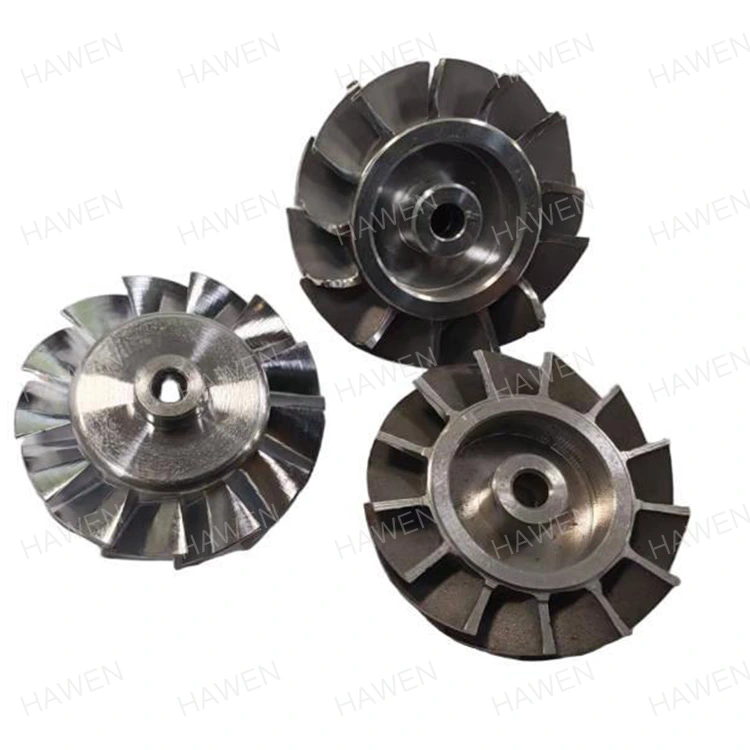
Table of Contents
- Outline Overview
- What is an Alloy Fan Impeller?
- Key Performance Benefits
- Materials & Manufacturing Process
- Performance Comparison Table
- Industrial Applications
- How to Choose the Right Impeller
- Maintenance Guidelines
- Common Operational Issues
- Frequently Asked Questions
- Conclusion & Contact
Outline Overview
- Introduction to alloy fan impeller technology
- Structural advantages and aerodynamic improvements
- Material science behind alloy performance
- Efficiency comparison with conventional impellers
- Real-world industrial use cases
- Selection and maintenance best practices
What is an Alloy Fan Impeller?
An alloy fan impeller is a rotating component designed to move air or gas efficiently within ventilation, cooling, or exhaust systems. Unlike conventional steel or plastic impellers, alloy versions are engineered using high-strength metal combinations such as aluminum alloys, stainless alloys, or specialized composite metals.
These materials significantly enhance performance under high-speed rotation, elevated temperatures, and corrosive environments. The structural rigidity of alloy impellers ensures minimal deformation during operation, which directly contributes to stable airflow output.
Key Performance Benefits
Alloy fan impellers are widely adopted in industrial systems due to their measurable operational advantages:
- Higher aerodynamic efficiency: Optimized blade geometry reduces turbulence and energy loss.
- Improved durability: Resistant to fatigue, corrosion, and mechanical wear.
- Lower energy consumption: Efficient airflow design reduces motor load.
- Stable high-speed operation: Maintains balance under extreme RPM conditions.
- Extended service life: Reduced maintenance frequency and replacement cost.
Materials & Manufacturing Process
The performance of an alloy fan impeller is directly influenced by its material composition and manufacturing precision. Advanced production methods ensure consistent quality and structural integrity.
- Material selection: Aluminum alloys for lightweight performance, stainless alloys for corrosion resistance.
- Casting or forging: Ensures dense internal structure and high mechanical strength.
- CNC machining: Guarantees precise blade angles and aerodynamic consistency.
- Dynamic balancing: Reduces vibration during high-speed rotation.
- Surface treatment: Enhances resistance to oxidation and chemical exposure.
Performance Comparison Table
| Feature | Alloy Fan Impeller | Traditional Steel Impeller | Plastic Impeller |
|---|---|---|---|
| Strength | High | Medium | Low |
| Corrosion Resistance | Excellent | Moderate | High (limited temperature range) |
| Energy Efficiency | High | Medium | Medium |
| Service Life | Long | Medium | Short |
Industrial Applications
Alloy fan impellers are used across a wide range of industries where reliable airflow control is essential.
- HVAC systems in commercial buildings
- Industrial exhaust and ventilation systems
- Mining and tunnel ventilation equipment
- Power plant cooling systems
- Chemical processing plants
- Manufacturing dust extraction systems
How to Choose the Right Impeller
Selecting the right alloy fan impeller requires careful evaluation of system requirements and operating conditions. Consider the following factors:
- Airflow volume requirements (CFM or m³/h)
- Operating temperature range
- Corrosive or abrasive environment exposure
- Motor power compatibility
- Blade design (backward curved, forward curved, radial)
Incorrect selection may result in reduced efficiency, increased vibration, or premature failure.
Maintenance Guidelines
Although alloy fan impellers require less maintenance than conventional models, routine inspection is still essential for optimal performance.
- Inspect blade wear and surface condition regularly
- Check for imbalance or vibration anomalies
- Clean dust and debris buildup
- Lubricate bearings in the fan assembly
- Ensure secure fastening of mounting components
Common Operational Issues
Even high-quality alloy impellers may encounter issues under improper usage conditions:
- Vibration caused by imbalance
- Reduced airflow due to contamination buildup
- Material fatigue under extreme overload
- Noise increase from misalignment
Most of these issues can be prevented through proper installation and scheduled maintenance routines.
Frequently Asked Questions
Q1: Why choose alloy over steel or plastic impellers?
Alloy impellers offer a superior balance of strength, corrosion resistance, and efficiency, making them suitable for demanding environments.
Q2: Can alloy fan impellers be used in high-temperature systems?
Yes, many alloy compositions are designed to withstand elevated temperatures without deformation.
Q3: How long does an alloy fan impeller last?
With proper maintenance, it can last significantly longer than traditional impellers, often several years in industrial use.
Q4: Are custom designs available?
Yes, customized blade geometry and material specifications are commonly available for specialized applications.
Conclusion & Contact
Alloy fan impellers represent a significant advancement in airflow system engineering. Their combination of durability, efficiency, and stability makes them a preferred choice across multiple industries. Whether used in ventilation, cooling, or exhaust systems, they deliver consistent performance under demanding conditions.
For high-quality alloy fan impeller solutions and customized engineering support, HAWEN provides professional manufacturing expertise and reliable product performance.
HAWEN – for tailored industrial airflow solutions, contact us today to discuss your project requirements and receive expert support.