How Does a Wireless Water Meter Improve Water Management?
2026-04-30
Summary: Wireless water meters have revolutionized water management, providing accurate, real-time monitoring without the hassle of manual readings. This article explores how these devices work, their benefits, implementation strategies, and answers common customer concerns.
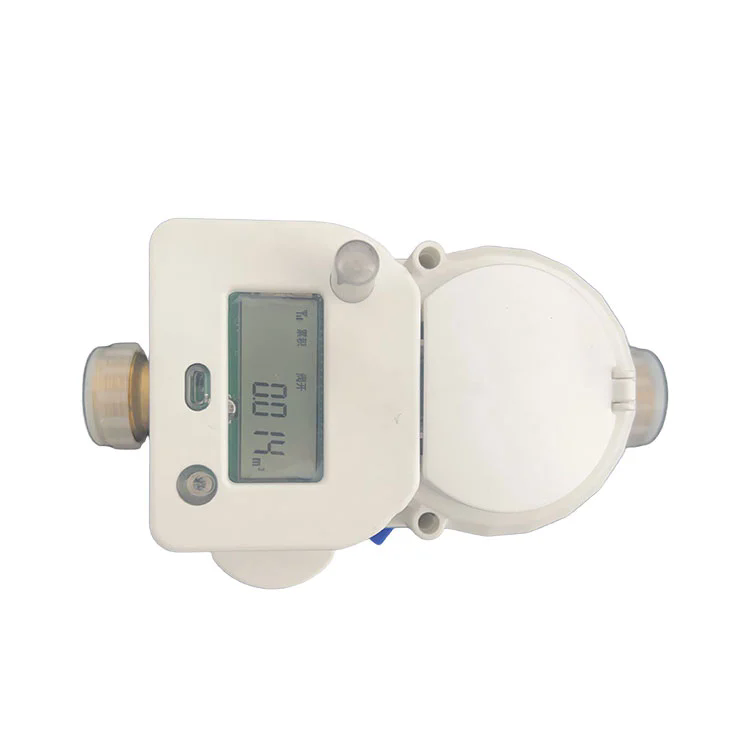
Table of Contents
- Introduction
- How Wireless Water Meters Work
- Benefits for Customers and Utilities
- Implementation and Installation
- Cost and Efficiency Analysis
- Maintenance and Troubleshooting
- Frequently Asked Questions
- Contact Cixi Kaiye Electric Co., Ltd.
Introduction
Water management is a critical concern for cities, industrial facilities, and households. Traditional water meters require manual readings, which are time-consuming and prone to human error. Wireless water meters eliminate these challenges, offering remote monitoring, data collection, and seamless integration with smart water management systems.
How Wireless Water Meters Work
Wireless water meters are designed to transmit water usage data to a centralized system without manual intervention. The key components include:
- Flow Sensor: Measures the flow rate of water accurately.
- Transmitter Module: Sends data wirelessly using RF, LoRa, or NB-IoT technologies.
- Power Supply: Usually battery-operated for long-lasting use.
- Data Receiver: Collects and processes meter readings in real time.
When water flows through the meter, the sensor records the volume. This data is then transmitted to a remote monitoring system. Utilities or homeowners can track water usage, detect leaks, and receive alerts instantly.
Benefits for Customers and Utilities
Wireless water meters offer multiple advantages for both end-users and service providers:
| Benefit | Description |
|---|---|
| Accuracy | Provides precise readings, reducing billing errors and disputes. |
| Remote Monitoring | Allows real-time tracking of water consumption from any location. |
| Leak Detection | Alerts users to potential leaks early, saving water and money. |
| Operational Efficiency | Reduces the need for manual meter reading, saving labor costs. |
| Data Analytics | Provides consumption patterns to improve water management and planning. |
Implementation and Installation
Installing a wireless water meter involves several steps:
- Shut off the water supply temporarily.
- Remove the existing water meter.
- Install the new wireless water meter in the correct orientation.
- Connect the transmitter module and configure it with the monitoring system.
- Test the system to ensure accurate readings and wireless communication.
It is recommended to consult professional installers or follow manufacturer guidelines. Cixi Kaiye Electric Co., Ltd. provides detailed manuals and technical support for smooth installation.
Cost and Efficiency Analysis
While wireless water meters have a higher initial investment than traditional meters, the long-term benefits outweigh the costs. Here’s a comparison:
| Factor | Traditional Meter | Wireless Meter |
|---|---|---|
| Initial Cost | Low | Moderate |
| Labor for Reading | High | Minimal |
| Billing Accuracy | Medium | High |
| Leak Detection | Reactive | Proactive |
With long-term operational savings and precise monitoring, the return on investment for wireless meters is substantial.
Maintenance and Troubleshooting
Wireless water meters are generally low-maintenance, but proper care ensures longevity:
- Check battery levels periodically; most meters last 5–10 years on a single battery.
- Inspect the sensor for debris or sediment buildup.
- Ensure transmitter modules remain connected to the monitoring network.
- Use authorized service centers for repairs to avoid warranty issues.
Frequently Asked Questions
Q1: How long does the battery last in a wireless water meter?
A1: Depending on the model, batteries can last between 5 and 10 years, reducing maintenance needs significantly.
Q2: Can wireless water meters detect leaks automatically?
A2: Yes, many models can send alerts when abnormal water flow is detected, helping prevent water waste and property damage.
Q3: Are wireless water meters compatible with smart home systems?
A3: Most wireless water meters support integration with building management or smart home systems through apps or cloud platforms.
Q4: Is installation complicated?
A4: Installation is straightforward but should follow manufacturer guidelines or professional support to ensure accuracy and connectivity.
Contact Cixi Kaiye Electric Co., Ltd.
For more information about our wireless water meters, expert installation support, or to request a quote, please visit our product page at Cixi Kaiye Electric Co., Ltd. Wireless Water Meter. Our team is ready to help you optimize water management solutions—contact us today!