Article Summary
A washing machine clutch is one of the most important mechanical components responsible for switching between washing and spinning functions. When a washing machine experiences problems such as abnormal noise, incomplete spinning, water-soaked clothes after cycles, or unstable operation, the clutch is often one of the key parts that requires inspection. Understanding how a washing machine clutch works, why it fails, and how to select a reliable replacement can help users, distributors, and appliance manufacturers improve machine performance and reduce maintenance costs.
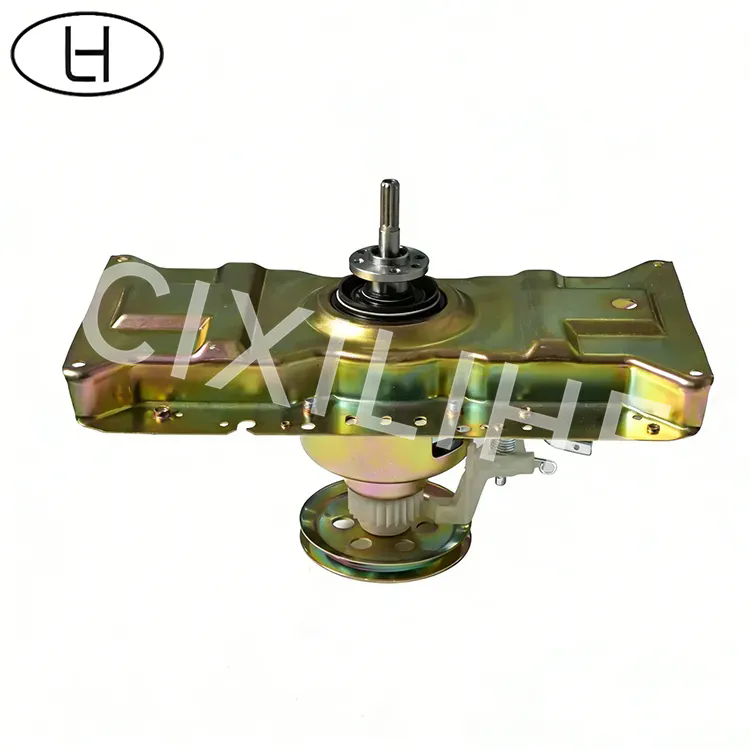
This comprehensive guide explains the working principles, common failure causes, maintenance methods, selection considerations, and practical solutions related to washing machine clutches. With professional manufacturing experience, Cixi Lihe Electric Appliance Co., Ltd. provides reliable washing machine clutch solutions designed to support efficient and durable washing machine operation.
Article Outline
-
Understanding Washing Machine Clutch Technology
Explains the role of the clutch mechanism in automatic washing machines.
-
Identifying Performance Issues
Covers common failures and how they affect washing efficiency.
-
Improving Equipment Reliability
Provides practical guidance for maintenance and replacement selection.
-
Professional Manufacturing Support
Introduces reliable clutch production solutions for appliance applications.
How Does a Washing Machine Clutch Work?
A washing machine clutch works as a transmission control component that manages the movement between the washing and spinning modes. During the washing process, the clutch allows the inner drum or agitator to rotate at a slower speed with stronger torque. During the spin cycle, it changes the transmission state and enables the drum to rotate at high speed to remove water from clothes.
The clutch achieves this function through a combination of gears, springs, shafts, brake systems, and other mechanical parts. When the washing machine receives operating instructions from the control system, the clutch adjusts the power transmission path between the motor and drum.
Without a properly functioning clutch, the motor may operate normally but the drum cannot complete the required movement. This explains why many washing machine problems are related not to the motor itself, but to clutch wear or damage.
|
Operating Mode
|
Clutch Function
|
Performance Requirement
|
|
Washing Mode
|
Provides controlled rotation with high torque
|
Stable movement and low mechanical stress
|
|
Spinning Mode
|
Transfers power for high-speed drum rotation
|
Strong transmission efficiency
|
|
Switching Process
|
Changes between different operating states
|
Accurate and smooth engagement
|
Why Is a Washing Machine Clutch Important?
The washing machine clutch directly influences washing efficiency, energy consumption, and product lifespan. A high-quality clutch ensures smooth power transfer, reduces vibration, and helps the appliance maintain stable performance during repeated operating cycles.
For household users, a reliable clutch means fewer breakdowns and better laundry results. For washing machine manufacturers and suppliers, choosing a durable clutch design helps improve product quality and customer satisfaction.
-
Improves switching accuracy between washing and spinning functions
-
Reduces abnormal noise caused by mechanical friction
-
Enhances transmission efficiency
-
Supports long-term washing machine operation
-
Reduces repair frequency and replacement costs
Main Structure and Components of a Washing Machine Clutch
A washing machine clutch contains multiple precision components working together. Each component must maintain accurate dimensions and reliable material performance to withstand continuous mechanical stress.
-
Gear System: Controls speed conversion and torque transmission during different cycles.
-
Brake Mechanism: Helps control drum movement and ensures safe operation.
-
Shaft Assembly: Transfers rotational power between internal components.
-
Spring Components: Supports smooth engagement and disengagement.
-
Housing Structure: Protects internal parts and improves durability.
Manufacturing accuracy is essential because even small dimensional errors may cause vibration, noise, or reduced operating efficiency.
Common Washing Machine Clutch Problems and Solutions
Because a washing machine clutch operates under repeated mechanical loads, long-term usage may lead to wear or performance issues. Recognizing early warning signs can prevent larger failures.
|
Problem
|
Possible Cause
|
Recommended Solution
|
|
Washing machine cannot spin
|
Clutch damage or transmission failure
|
Inspect and replace damaged clutch parts
|
|
Strong operating noise
|
Component wear or insufficient lubrication
|
Check internal structure and replace worn parts
|
|
Clothes remain wet
|
Low spinning speed caused by clutch problems
|
Test clutch transmission performance
|
|
Drum movement is unstable
|
Mechanical imbalance or clutch malfunction
|
Perform inspection and adjustment
|
How to Choose the Right Washing Machine Clutch?
Selecting a suitable washing machine clutch requires consideration of compatibility, durability, manufacturing quality, and application requirements. A correct choice can significantly improve equipment reliability.
-
Check Compatibility: Ensure the clutch matches the washing machine model and transmission design.
-
Evaluate Material Quality: High-strength materials improve wear resistance and service life.
-
Consider Manufacturing Precision: Accurate processing reduces vibration and operating noise.
-
Choose a Reliable Supplier: Professional manufacturers provide consistent quality control and technical support.
For OEM customers, customized solutions are also important because different washing machine designs may require specific clutch structures and performance characteristics.
Maintenance Tips to Extend Washing Machine Clutch Service Life
Proper maintenance can reduce unnecessary stress on the clutch and improve overall washing machine reliability.
-
Avoid overloading the washing machine beyond its designed capacity.
-
Keep the appliance balanced to reduce excessive vibration.
-
Inspect unusual sounds or movement changes as early as possible.
-
Follow recommended maintenance procedures from professional technicians.
-
Replace damaged clutch components with compatible quality parts.
Regular inspection is especially important for commercial washing equipment that operates frequently because higher usage creates greater mechanical demands.
Why Choose Cixi Lihe Electric Appliance Co., Ltd.?
Cixi Lihe Electric Appliance Co., Ltd. specializes in the development and production of washing machine clutch components. With professional manufacturing capabilities and industry experience, the company focuses on delivering dependable transmission solutions for washing machine applications.
The company emphasizes product reliability, precise manufacturing processes, and continuous improvement to meet the requirements of global appliance manufacturers and suppliers. Its washing machine clutch products are designed to provide stable performance, excellent durability, and efficient power transmission.
-
Professional experience in washing machine component manufacturing
-
Strict attention to product quality and consistency
-
Solutions suitable for different washing machine applications
-
Support for OEM and customized requirements
Frequently Asked Questions About Washing Machine Clutch
1. What is the main function of a washing machine clutch?
The main function of a washing machine clutch is to control power transmission between washing and spinning operations, allowing the machine to switch between different drum movements.
2. How can I know if my washing machine clutch is damaged?
Common signs include abnormal noise, failure to spin, slow drum rotation, excessive vibration, and clothes remaining wet after washing.
3. Can a washing machine clutch be repaired?
Some clutch issues may be repaired depending on the damaged components. However, replacement is often recommended when internal parts have severe wear.
4. How long does a washing machine clutch usually last?
Service life depends on usage frequency, machine load, manufacturing quality, and maintenance conditions. High-quality clutches generally provide longer operational reliability.
5. Why should manufacturers choose professional clutch suppliers?
Professional suppliers provide consistent manufacturing quality, technical expertise, and customized solutions that help improve final appliance performance.
Conclusion
A washing machine clutch plays a critical role in ensuring smooth washing and spinning performance. Understanding its working principle, recognizing common problems, and selecting reliable components can help reduce maintenance issues and improve appliance durability.
With advanced manufacturing experience and professional production capabilities, Cixi Lihe Electric Appliance Co., Ltd. delivers dependable washing machine clutch solutions for customers seeking quality, stability, and long-term value. For more information about customized washing machine clutch products and professional support, please contact us today.