How Does a Voltage Regulator Ensure Stable Power Supply?
2025-09-08
In today’s highly digital world, where electronic devices dominate every aspect of life and business operations, maintaining a stable power supply is no longer an option but a necessity. A sudden voltage fluctuation can damage sensitive equipment, interrupt operations, and result in costly downtime. This is where a voltage regulator becomes indispensable. Designed to maintain a constant output voltage regardless of variations in input voltage or load conditions, voltage regulators are the backbone of modern electronics, industrial systems, and power distribution networks.
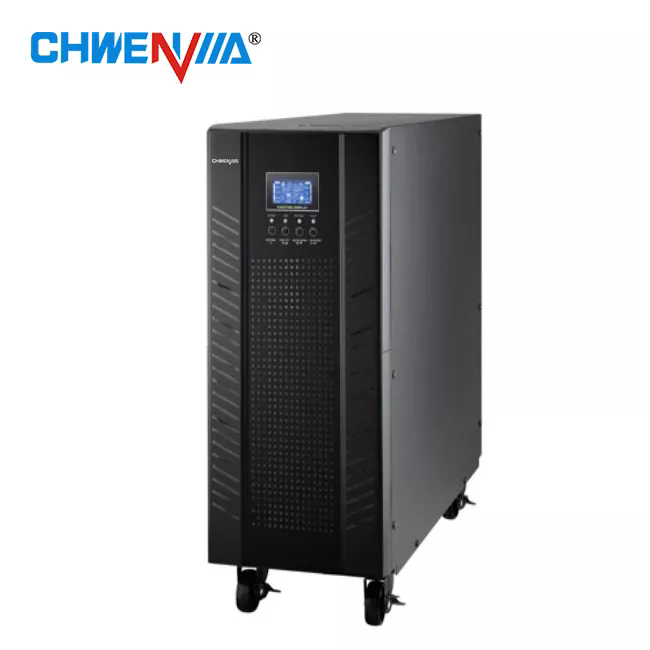
What Is a Voltage Regulator and Why Is It Essential?
A voltage regulator is an electronic device that automatically maintains a stable output voltage, ensuring that connected equipment receives consistent power despite fluctuations in the input supply or load demand. Whether you are powering delicate medical instruments, industrial machinery, data servers, or household appliances, voltage regulators act as a safeguard against unexpected surges and dips.
Importance of Voltage Regulation
-
Protects sensitive electronics: Sudden power spikes can burn circuits, while voltage drops may cause malfunction.
-
Improves equipment longevity: Stable voltage prevents excessive wear and tear on electrical components.
-
Enhances system reliability: Reduces the risk of downtime, making it critical for industries where continuous operation is essential.
-
Optimizes energy efficiency: Stable power delivery reduces wastage and ensures consistent performance.
Where Voltage Regulators Are Used
Voltage regulators are widely applied in both consumer electronics and industrial systems, including:
-
Telecommunication networks
-
Medical devices and laboratory equipment
-
Data centers and cloud servers
-
Renewable energy systems (solar, wind)
-
Industrial automation and robotics
-
Automotive power control systems
In essence, any environment where precise, uninterrupted power is required benefits from a high-quality voltage regulator.
How Does a Voltage Regulator Work?
Voltage regulators function by monitoring the input voltage and dynamically adjusting the output to maintain a consistent level. There are three primary categories of voltage regulators, each designed for specific use cases.
Types of Voltage Regulators
| Type | Operating Principle | Advantages | Applications |
|---|---|---|---|
| Linear Regulators | Adjust resistance to maintain a steady output voltage | Simple design, low noise output | Audio equipment, small electronics |
| Switching Regulators | Use inductors, capacitors, and high-speed switches to step up/down voltage | High efficiency, supports wide voltage range | Power supplies, automotive systems |
| Automatic Voltage Regulators (AVR) | Sense voltage fluctuations and adjust via transformers or stabilizers | Ideal for large-scale power systems | Industrial equipment, data centers |
Linear regulators are common in small consumer electronics, while switching regulators dominate energy-efficient applications. For heavy-duty industrial environments, automatic voltage regulators (AVRs) provide robust stability under fluctuating loads.
Key Working Mechanism
A voltage regulator continuously compares its output voltage to a reference voltage. When deviations occur:
-
If input voltage drops, the regulator compensates by drawing more current.
-
If input voltage rises, it restricts current to prevent overvoltage.
This real-time balancing ensures that sensitive devices always receive a safe, stable power supply.
Technical Specifications of Our Voltage Regulators
Choosing the right voltage regulator requires evaluating specific technical parameters. Below are the detailed specifications of our high-performance voltage regulator series, designed to deliver reliability and efficiency across multiple sectors.
Product Features
-
Wide Input Voltage Range: Handles fluctuations from 90V to 280V AC.
-
High Precision Regulation: Maintains output stability within ±1%.
-
Fast Response Time: Reacts within milliseconds to voltage changes.
-
Overload and Short-Circuit Protection: Ensures operational safety.
-
Energy-Efficient Design: Reduces power loss and operational costs.
-
Silent Operation: Ideal for environments where low noise is critical.
Technical Parameters
| Parameter | Specification |
|---|---|
| Input Voltage | 90V – 280V AC |
| Output Voltage | 110V / 220V ±1% |
| Frequency | 50Hz / 60Hz |
| Power Capacity | 500W – 50kW |
| Response Time | ≤0.5ms |
| Efficiency | ≥98% |
| Protection | Overload, Overvoltage, Short Circuit |
| Operating Temperature | -10°C to +50°C |
| Humidity Tolerance | ≤95% RH |
Our products are engineered to handle both residential and industrial requirements, making them suitable for diverse environments where uninterrupted power is critical.
Applications, Advantages, and FAQs
Applications Across Industries
-
Residential: Protects household appliances from inconsistent grid voltage.
-
Commercial: Ensures stable operations in offices, malls, and data hubs.
-
Industrial: Supports machinery, robotics, and high-load manufacturing systems.
-
Renewable Energy: Optimizes solar and wind power conversion for storage and usage.
Benefits of Choosing Our Voltage Regulators
-
Prolonged equipment lifespan
-
Reduced maintenance and repair costs
-
Improved energy efficiency
-
Enhanced operational safety
-
Reliable protection against power instability
Frequently Asked Questions
Q1: How do I choose the right voltage regulator for my equipment?
A1: Start by evaluating the power capacity of your devices, the input voltage range, and the required output stability. For sensitive electronics, choose a regulator with ±1% precision. For industrial machinery, an automatic voltage regulator (AVR) with high power handling capability is ideal.
Q2: Do voltage regulators save energy?
A2: Yes. By maintaining a stable output, they minimize energy wastage caused by irregular voltage fluctuations. High-efficiency models can achieve up to 98% power efficiency, which directly translates into lower electricity bills and reduced operational costs.
In an era where uninterrupted power supply is critical, investing in a high-quality voltage regulator is no longer optional — it’s essential. From protecting sensitive electronics and optimizing energy usage to supporting complex industrial operations, voltage regulators are the silent guardians of modern infrastructure.
Wenma offers a range of advanced voltage regulators engineered for reliability, precision, and efficiency. Whether you’re powering a residential setup or managing industrial-scale operations, our solutions ensure seamless performance under any load condition.
For product inquiries, technical support, or customized solutions, contact us today and discover how Wenma can provide the stability your systems need.