How Does a Transition Joint Improve Electrical Connection Reliability?
2026-07-31
Article Summary
A transition joint plays an essential role in modern power transmission systems by connecting different types of conductors while maintaining electrical stability, mechanical strength, and long-term operational safety. As power networks become more complex, engineers face challenges such as conductor compatibility, corrosion risks, overheating, and connection failures. A properly designed Transition Joint provides an effective solution by creating a secure connection between dissimilar materials, reducing energy losses, and extending the service life of electrical infrastructure.
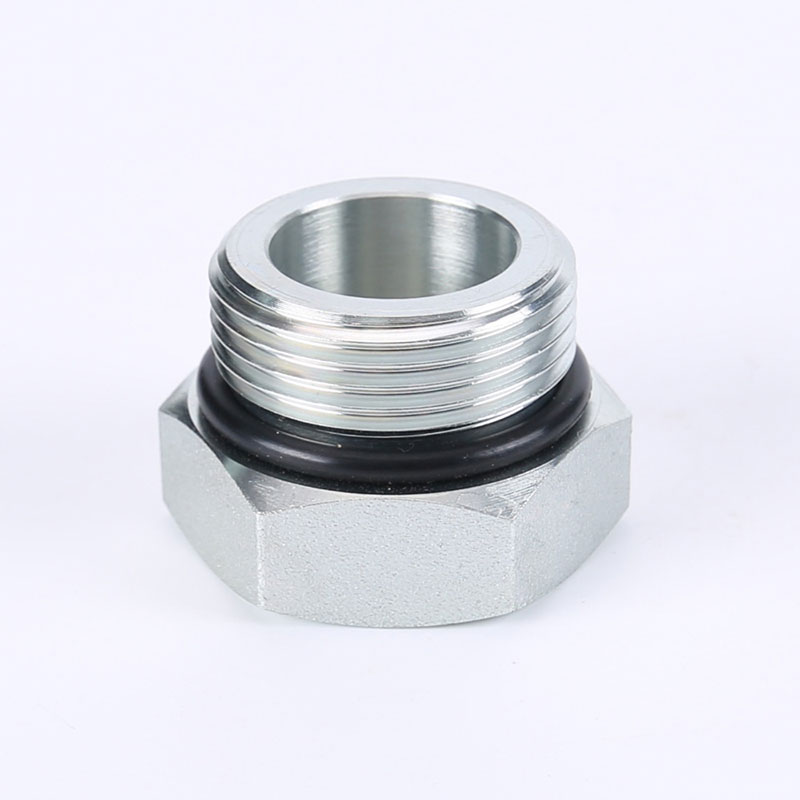
This article explains how a Transition Joint works, why it is important, the common problems it solves, key selection factors, installation considerations, and how Haxsen delivers reliable solutions for demanding electrical applications.
Table of Contents
- 1. Introduction to Transition Joint Technology
- 2. How Does a Transition Joint Work?
- 3. Why Is a Transition Joint Important in Power Systems?
- 4. Common Problems Solved by Transition Joints
- 5. Different Types of Transition Joint Solutions
- 6. How to Choose the Right Transition Joint?
- 7. Installation and Maintenance Considerations
- 8. Why Choose Haxsen for Transition Joint Solutions?
- 9. Frequently Asked Questions About Transition Joint
1. Introduction to Transition Joint Technology
Electrical systems require reliable connections between various conductive materials. In many applications, different metals such as copper and aluminum need to be connected because each material offers unique advantages. Copper provides excellent conductivity, while aluminum offers lightweight characteristics and cost efficiency.
However, directly connecting different metals can create technical challenges. Differences in electrical properties, thermal expansion rates, and chemical characteristics may lead to connection deterioration over time. A Transition Joint is designed to overcome these issues by creating a controlled interface between different conductors.
Used widely in power transmission, distribution networks, railway systems, industrial equipment, and energy projects, Transition Joint technology ensures stable current flow and minimizes the possibility of electrical failures.
2. How Does a Transition Joint Work?
A Transition Joint works by combining different conductive materials into a single integrated connection component. The design allows electricity to pass smoothly between materials with different physical and electrical characteristics.
The manufacturing process usually involves advanced joining technologies that create a strong bond between metals. This connection reduces resistance at the interface and prevents issues caused by direct metal-to-metal contact.
The working principle of a Transition Joint can be summarized as follows:
- Material compatibility: Different conductor materials are connected through a specially engineered transition area.
- Stable conductivity: The joint maintains efficient current transmission with reduced electrical resistance.
- Mechanical protection: The structure improves resistance against vibration, pressure, and environmental stress.
- Long-term reliability: Proper design helps prevent oxidation, corrosion, and thermal damage.
By addressing the weaknesses of conventional connections, Transition Joint products provide a safer and more efficient solution for modern electrical infrastructure.
3. Why Is a Transition Joint Important in Power Systems?
Power systems operate under continuous electrical and environmental stress. Even minor connection problems can result in energy losses, equipment damage, or unexpected downtime. A high-quality Transition Joint helps maintain system performance by ensuring a dependable connection point.
| Challenge | Impact on Electrical Systems | Solution Provided by Transition Joint |
|---|---|---|
| Different conductor materials | Poor compatibility and connection instability | Creates a reliable interface between materials |
| Temperature variation | Expansion and contraction damage | Improves thermal performance |
| Corrosion exposure | Higher resistance and failure risks | Provides better protection against environmental factors |
| Heavy current loads | Overheating and power losses | Maintains stable electrical transmission |
For utility companies and industrial users, choosing the right Transition Joint is not only about improving performance but also about reducing maintenance costs and increasing operational safety.
4. Common Problems Solved by Transition Joints
Many electrical connection failures occur because traditional joining methods cannot effectively handle differences between materials. Transition Joint solutions are developed specifically to solve these challenges.
- Preventing galvanic corrosion: When different metals come into contact, chemical reactions may accelerate corrosion. Transition Joints reduce this risk through controlled material bonding.
- Reducing electrical resistance: Poor connections increase resistance, causing heat generation and energy waste. A properly designed joint ensures efficient current transfer.
- Improving mechanical durability: Electrical systems often experience vibration, tension, and external forces. Strong transition structures improve connection stability.
- Supporting different application environments: From underground cable systems to industrial facilities, Transition Joints can be customized for various operating conditions.
5. Different Types of Transition Joint Solutions
Transition Joint designs vary depending on application requirements, conductor materials, and installation conditions. Common solutions include:
| Type | Main Application | Key Advantage |
|---|---|---|
| Copper-Aluminum Transition Joint | Power distribution and cable connections | Reliable connection between copper and aluminum conductors |
| Customized Metal Transition Joint | Special industrial applications | Designed according to specific requirements |
| High Voltage Transition Joint | Power transmission systems | Supports demanding electrical conditions |
Selecting the correct type ensures compatibility, performance, and long-term reliability.
6. How to Choose the Right Transition Joint?
Choosing an appropriate Transition Joint requires careful evaluation of technical requirements and operating conditions. Important factors include:
- Conductor materials: Confirm the metals that need to be connected and select a suitable transition structure.
- Voltage and current requirements: Ensure the joint can withstand the electrical load of the system.
- Environmental conditions: Consider temperature, humidity, chemical exposure, and installation location.
- Mechanical requirements: Evaluate vibration, tension, and external forces that may affect performance.
- Quality standards: Select products manufactured with strict quality control procedures.
Working with an experienced manufacturer helps customers avoid compatibility problems and achieve reliable system performance.
7. Installation and Maintenance Considerations
Even a high-quality Transition Joint requires proper installation to achieve maximum performance. Incorrect installation may increase resistance and reduce service life.
Recommended practices include:
- Verify conductor specifications before installation.
- Keep connection surfaces clean and free from contamination.
- Use professional installation tools and methods.
- Inspect joints regularly in critical power systems.
- Monitor temperature changes during operation.
Regular inspection allows operators to identify potential issues early and prevent costly system interruptions.
8. Why Choose Haxsen for Transition Joint Solutions?
Haxsen focuses on providing dependable electrical connection solutions designed for modern power applications. With professional manufacturing capabilities and experience in transition connection technology, Haxsen develops products that meet different customer requirements.
The company understands that every electrical project has unique challenges. Therefore, Haxsen provides carefully engineered Transition Joint solutions with attention to material compatibility, electrical performance, mechanical strength, and operational reliability.
Customers working with Haxsen can benefit from:
- Professional transition connection design experience.
- Reliable material selection and manufacturing processes.
- Solutions suitable for different electrical applications.
- Strong focus on product quality and customer requirements.
- Technical support throughout product selection and application.
By combining engineering expertise with practical application knowledge, Haxsen helps customers build safer and more efficient electrical systems.
9. Frequently Asked Questions About Transition Joint
Q1: What is a Transition Joint used for?
A Transition Joint is used to connect different conductive materials while maintaining reliable electrical performance and mechanical stability. It is commonly applied in power cables, transmission systems, and industrial electrical equipment.
Q2: Why cannot different metals be connected directly?
Different metals may have different expansion rates and chemical characteristics. Direct connection can lead to corrosion, increased resistance, and reduced service life.
Q3: How long can a Transition Joint operate?
The service life depends on product quality, installation conditions, environmental factors, and maintenance practices. Properly manufactured and installed joints can provide long-term reliable operation.
Q4: Can Transition Joint products be customized?
Yes. Many Transition Joint solutions can be customized according to conductor materials, voltage levels, dimensions, and application requirements.
Q5: How does Haxsen ensure product reliability?
Haxsen focuses on advanced manufacturing processes, suitable material selection, and strict quality control to provide dependable Transition Joint products for different industries.
Conclusion
A Transition Joint is a critical component for achieving stable and efficient electrical connections between different materials. By reducing connection risks, improving conductivity, and increasing system durability, it helps modern power networks operate safely and efficiently.
With professional experience and customer-focused solutions, Haxsen provides reliable Transition Joint products designed to meet diverse application requirements. For high-quality electrical connection solutions and customized support, contact us today to discuss your project needs.