How Does a Single Seat Control Valve Optimize Flow Control Performance?
2026-02-26
Article Summary
A single seat control valve is a critical component in industrial process control systems, designed to regulate flow, pressure, temperature, and liquid levels with high precision. Many operators face challenges such as leakage, unstable control, excessive maintenance, or mismatched valve selection. This comprehensive guide explains how a single seat control valve works, where it performs best, and how to select and maintain it correctly. By understanding its structure, operating principles, and application scenarios, decision-makers can improve process stability, reduce downtime, and extend equipment life. Lozose provides reliable single seat control valve solutions engineered for demanding industrial environments.
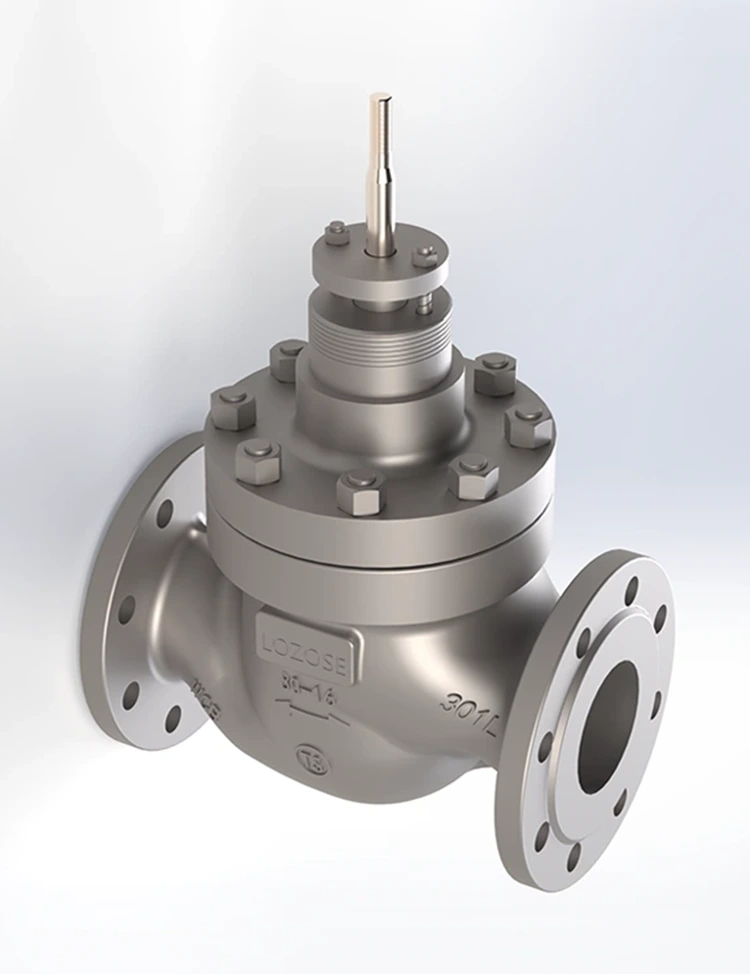
Table of Contents
- Content Outline
- Single Seat Control Valve Overview
- Key Customer Pain Points
- Working Principle Explained
- Main Structural Components
- Performance Advantages
- How to Select the Right Valve
- Single Seat vs Other Control Valves
- Typical Application Industries
- Maintenance and Reliability
- Frequently Asked Questions
- Conclusion and Contact Us
Content Outline
- Definition and functional role of a single seat control valve
- Common operational challenges and how to address them
- Internal structure and flow regulation mechanism
- Selection criteria for different process conditions
- Comparison with double seat and other valve types
- Industry applications and maintenance best practices
Single Seat Control Valve Overview
A single seat control valve is a linear motion valve featuring one valve plug and one valve seat. Its primary function is to accurately control fluid flow within a pipeline by adjusting the opening between the plug and the seat. Due to its simple structure and excellent sealing capability, this valve type is widely used in processes requiring high control accuracy and low leakage.
Unlike multi-seat designs, the single seat configuration focuses on precision and tight shutoff. This makes it particularly suitable for clean media, moderate pressure conditions, and applications where leakage control is critical. Lozose designs single seat control valves to deliver stable control behavior and long-term operational reliability.
Key Customer Pain Points
End users often encounter several recurring issues when selecting or operating control valves. Understanding these pain points is essential for making informed decisions.
- Internal leakage causing process instability
- Poor control accuracy at low flow rates
- Frequent maintenance due to seat or plug wear
- Noise and vibration during operation
- Incorrect valve sizing leading to energy loss
Many of these problems stem from improper valve selection or misunderstanding of operating conditions. A properly engineered single seat control valve can effectively mitigate these risks.
Working Principle Explained
The operation of a single seat control valve is based on linear displacement. When an actuator applies force, the valve stem moves the plug toward or away from the seat, changing the flow area. This movement allows precise modulation of flow in response to control signals from a control system.
Because only one seating surface is involved, the valve achieves a tight seal when closed. However, the pressure differential across the plug creates an unbalanced force, which must be considered when selecting actuator type and size. Lozose optimizes internal flow paths to ensure smooth control and predictable response.
Main Structural Components
A typical single seat control valve consists of the following components:
- Valve body designed for specific pressure ratings
- Single valve seat ensuring tight shutoff
- Valve plug with optimized flow characteristics
- Stem and packing assembly for sealing and motion transfer
- Pneumatic or electric actuator
Each component plays a role in determining the valve’s performance, durability, and control accuracy.
Performance Advantages
Single seat control valves offer several advantages that make them a preferred choice in many control applications.
- Excellent sealing performance
- High control precision
- Simple internal structure
- Lower leakage compared to multi-seat valves
- Easy maintenance and inspection
These characteristics make the valve particularly suitable for applications where product loss or contamination must be minimized.
How to Select the Right Valve
Selecting the appropriate single seat control valve requires a systematic evaluation of process conditions.
- Medium type and cleanliness
- Operating pressure and temperature
- Required flow coefficient
- Shutoff requirements
- Available actuator power
Correct sizing and material selection are essential to ensure stable operation and long service life. Lozose provides technical support to help customers match valve specifications to real operating conditions.
Single Seat vs Other Control Valves
| Valve Type | Sealing Performance | Pressure Balance | Typical Use Case |
|---|---|---|---|
| Single Seat Control Valve | Excellent | Unbalanced | High precision control |
| Double Seat Control Valve | Moderate | Balanced | High pressure applications |
| Ball Control Valve | Good | Balanced | On-off or coarse control |
Typical Application Industries
Single seat control valves are widely used across various industries due to their accuracy and reliability.
- Chemical and petrochemical processing
- Pharmaceutical manufacturing
- Food and beverage production
- Water treatment systems
- Power generation facilities
Maintenance and Reliability
Routine maintenance is essential for maintaining optimal valve performance. Key practices include inspection of sealing surfaces, packing adjustment, and actuator calibration.
Thanks to its simple design, a single seat control valve allows faster servicing and reduced downtime. Lozose valves are engineered with maintenance accessibility in mind, supporting long-term operational efficiency.
Frequently Asked Questions
What is the main advantage of a single seat control valve?
Its primary advantage is excellent sealing performance combined with high control accuracy.
Is a single seat control valve suitable for high-pressure systems?
It can be used in moderate pressure applications, but actuator sizing must account for unbalanced forces.
How can leakage be minimized?
Proper material selection, precise machining, and correct installation significantly reduce leakage risks.
Does it require frequent maintenance?
With correct selection and operation, maintenance requirements are relatively low.
Conclusion and Contact Us
A single seat control valve plays a vital role in ensuring accurate and reliable process control. By addressing common customer pain points such as leakage, instability, and maintenance challenges, this valve type delivers consistent performance across a wide range of industries. Understanding its structure, operating principles, and selection criteria allows users to maximize efficiency and process safety.
Lozose specializes in manufacturing high-quality single seat control valves designed for precision and durability. If you are evaluating control valve solutions or seeking expert guidance for your application, contact us to discuss your requirements and discover how Lozose can support your flow control objectives.