How Does a Shearing Blade Improve Cutting Efficiency?
2026-04-10
Abstract
A Shearing Blade is a critical component in industrial cutting systems used across metal fabrication, recycling, construction, and manufacturing industries. Its performance directly influences cutting precision, production efficiency, operational safety, and overall equipment lifespan. This article explains how a shearing blade works, what causes performance degradation, how to select the right blade, and how proper maintenance can significantly reduce downtime and operational costs. It also provides practical guidance for businesses seeking stable, high-performance cutting solutions.
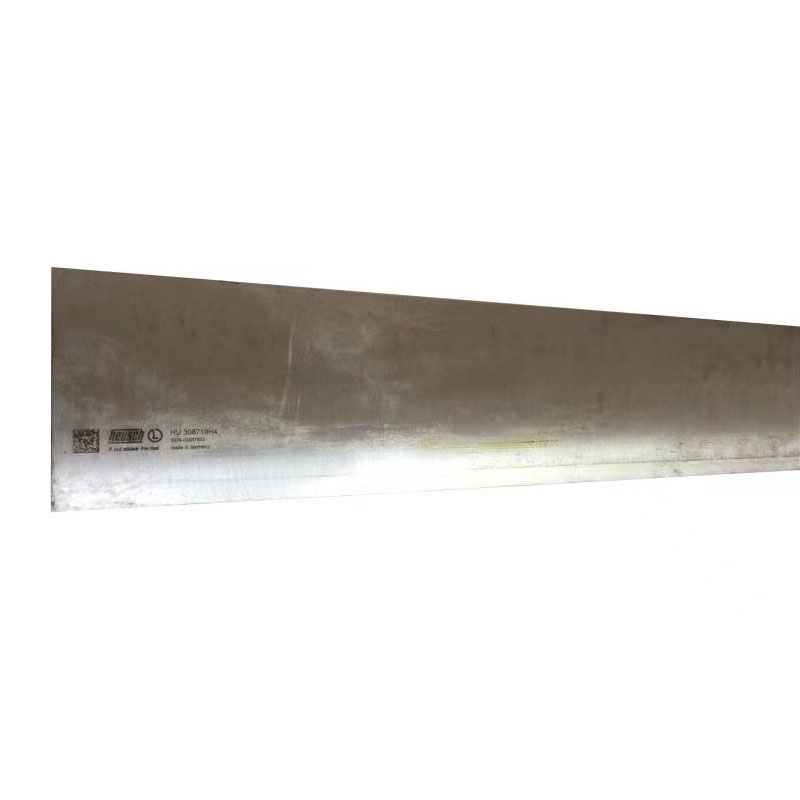
Table of Contents
- 1. What is a Shearing Blade?
- 2. How Does a Shearing Blade Work?
- 3. Key Materials and Manufacturing Standards
- 4. Common Pain Points in Shearing Operations
- 5. How to Choose the Right Shearing Blade
- 6. Maintenance Best Practices
- 7. Industry Applications
- 8. Performance Comparison Table
- 9. Frequently Asked Questions
- 10. About Changzhou Ceres Machinery Co., Ltd.
- 11. Conclusion
1. What is a Shearing Blade?
A Shearing Blade is a precision-engineered cutting tool mounted on shearing machines used to cut sheet metal, plates, and other rigid materials. It operates on a simple mechanical principle: applying concentrated force along a linear edge to separate materials without producing excessive deformation.
Unlike general-purpose cutting tools, shearing blades are designed for extreme durability, high hardness, and resistance to wear. Their geometry, edge sharpness, and material composition directly influence the quality of the cut and machine efficiency.
2. How Does a Shearing Blade Work?
The working principle of a shearing blade relies on a combination of upper and lower blade interaction. When the machine activates, the upper blade descends toward the lower fixed blade, generating a controlled shearing force.
This process can be summarized as follows:
- The material is clamped to prevent movement.
- The upper blade applies downward force.
- Stress concentration causes fracture along the cutting line.
- The material is separated cleanly with minimal burr formation.
Proper blade alignment and clearance are essential. Even slight misalignment can lead to uneven cuts, increased wear, and higher energy consumption.
3. Key Materials and Manufacturing Standards
The performance of a Shearing Blade is highly dependent on its material composition and heat treatment process. Common materials include:
- High carbon tool steel
- Alloy tool steel
- High chromium steel
- Tungsten alloy composites for heavy-duty applications
Manufacturing considerations include:
- Heat treatment for hardness and toughness balance
- Precision grinding for edge sharpness
- Stress relieving to prevent cracking
- Surface finishing to reduce friction
A high-quality blade ensures longer service life and reduced machine downtime.
4. Common Pain Points in Shearing Operations
Industrial users often encounter several recurring issues related to shearing blade performance:
- Blade dulling: frequent sharpening increases operational costs.
- Edge chipping: caused by improper material selection or overload.
- Uneven cutting: usually due to misalignment or worn components.
- Machine downtime: frequent maintenance interrupts production flow.
- Excessive burr formation: reduces product quality and increases finishing costs.
These issues can significantly reduce productivity if not addressed through proper blade selection and maintenance strategies.
5. How to Choose the Right Shearing Blade
Selecting the appropriate Shearing Blade depends on multiple technical and operational factors.
Key selection criteria:
- Material type being cut (mild steel, stainless steel, aluminum, etc.)
- Material thickness range
- Machine type and tonnage
- Expected production volume
- Required edge quality
Quick selection guide:
- High hardness blades → Suitable for stainless steel
- Toughness-focused blades → Suitable for thick plates
- Wear-resistant coatings → Ideal for high-volume production
6. Maintenance Best Practices
Proper maintenance significantly extends the lifespan of a shearing blade and improves cutting consistency.
Recommended practices:
- Regular inspection for edge wear and micro-cracks
- Scheduled sharpening based on usage intensity
- Proper lubrication to reduce friction heat
- Ensuring correct blade clearance adjustment
- Cleaning after each production cycle to remove debris
Neglecting maintenance leads to rapid deterioration and increased operational costs.
7. Industry Applications
Shearing blades are widely used across multiple industries due to their efficiency and reliability.
- Metal fabrication and sheet processing
- Automotive manufacturing
- Construction steel processing
- Scrap recycling facilities
- Shipbuilding and heavy engineering
In each application, the performance of the shearing blade directly influences product quality and production efficiency.
8. Performance Comparison Table
| Blade Type | Hardness | Best Use Case | Service Life |
|---|---|---|---|
| High Carbon Steel Blade | Medium | Light-duty cutting | Moderate |
| Alloy Steel Blade | High | General industrial use | Long |
| High Chromium Blade | Very High | Stainless steel cutting | Very Long |
| Tungsten Composite Blade | Extreme | Heavy-duty applications | Maximum |
9. Frequently Asked Questions
Q1: How often should a shearing blade be sharpened?
It depends on usage intensity, but typically after 8–24 weeks of continuous operation.
Q2: What causes premature blade wear?
Common causes include improper material matching, incorrect clearance settings, and lack of lubrication.
Q3: Can one blade type be used for all materials?
No. Different materials require different hardness and toughness levels for optimal performance.
Q4: How do I reduce burr formation?
Ensure proper blade alignment, sharp edges, and correct machine settings.
10. About Changzhou Ceres Machinery Co., Ltd.
Changzhou Ceres Machinery Co., Ltd. specializes in the design and manufacturing of high-performance industrial cutting tools, including premium-grade Shearing Blade solutions. The company focuses on precision engineering, advanced heat treatment processes, and strict quality control systems to ensure consistent performance in demanding industrial environments.
11. Conclusion
A well-designed and properly maintained Shearing Blade is essential for achieving high-efficiency cutting operations, reducing operational costs, and ensuring consistent product quality. From material selection to maintenance strategy, every detail contributes to overall system performance.
Businesses that invest in high-quality blades and structured maintenance practices can significantly reduce downtime and improve production output stability.
For reliable industrial cutting solutions, professional technical support, and customized blade options, Changzhou Ceres Machinery Co., Ltd. provides proven expertise and manufacturing capability.
Contact us today to discuss your requirements and get a tailored solution that improves your cutting performance and operational efficiency.