How Does a Shaft Sleeve Protect Your Equipment and Extend Service Life?
2026-07-17
Summary
Shaft sleeves are critical mechanical components that protect rotating shafts from wear, corrosion, friction, and costly damage. Choosing the right shaft sleeve can significantly improve equipment reliability, reduce maintenance costs, and increase production efficiency. This article explains how shaft sleeves work, where they are used, how to select the right material, and what maintenance practices maximize service life. Whether you operate pumps, compressors, mixers, marine equipment, or industrial machinery, understanding shaft sleeves helps you make better purchasing and maintenance decisions.
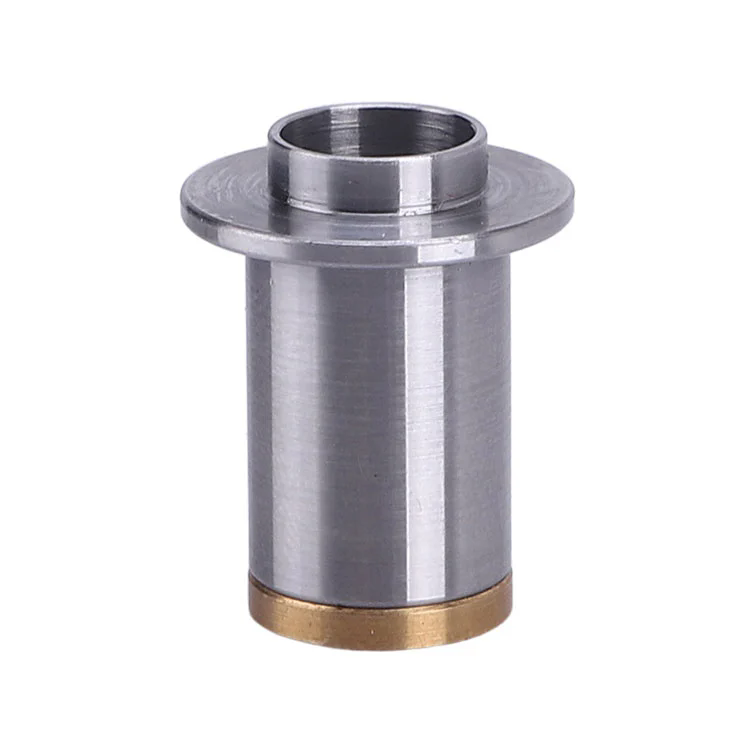
Table of Contents
- What Is a Shaft Sleeve?
- How Does a Shaft Sleeve Work?
- Why Is a Shaft Sleeve Important?
- Common Industrial Applications
- Choosing the Right Material
- How to Select the Best Shaft Sleeve
- Shaft Sleeve Material Comparison
- Installation and Maintenance Tips
- Common Mistakes to Avoid
- Why Choose Gaxis
- FAQ
- Conclusion
What Is a Shaft Sleeve?
A shaft sleeve is a cylindrical protective component installed over a rotating shaft to prevent direct contact between the shaft surface and surrounding mechanical parts. Instead of allowing the shaft itself to wear during operation, the sleeve acts as a replaceable barrier that absorbs friction, corrosion, and abrasion.
In many industrial systems, replacing an entire shaft is expensive and time-consuming. A shaft sleeve provides a practical solution by protecting the original shaft while offering an economical replacement option whenever wear occurs.
Shaft sleeves are commonly manufactured with high dimensional accuracy to ensure precise fitting and stable performance under demanding operating conditions.
How Does a Shaft Sleeve Work?
The operating principle of a shaft sleeve is straightforward but extremely effective. During equipment operation, rotating shafts often interact with seals, bearings, bushings, or packing materials. Continuous friction gradually damages the shaft surface.
Instead of sacrificing the shaft itself, the shaft sleeve becomes the contact surface. When wear eventually reaches an unacceptable level, only the sleeve needs replacement while the original shaft remains intact.
The protection process includes:
- Reducing direct shaft wear
- Providing corrosion resistance
- Improving sealing performance
- Reducing maintenance costs
- Extending equipment lifespan
- Maintaining dimensional accuracy
This simple protective concept dramatically lowers equipment downtime across many industries.
Why Is a Shaft Sleeve Important?
Industrial equipment often operates continuously under heavy loads, high temperatures, moisture, chemicals, or abrasive particles. These harsh environments accelerate shaft wear, leading to leakage, vibration, reduced efficiency, and unexpected failures.
Installing a quality shaft sleeve offers multiple benefits.
| Benefit | Value |
|---|---|
| Wear Protection | Prevents direct shaft damage |
| Easy Replacement | Only replace the sleeve instead of the shaft |
| Lower Maintenance Cost | Reduces repair expenses |
| Longer Equipment Life | Protects expensive rotating components |
| Better Sealing | Provides smooth sealing surfaces |
| Higher Reliability | Reduces unexpected shutdowns |
For facilities where equipment downtime directly affects production, these advantages translate into measurable operational savings.
Common Industrial Applications
Shaft sleeves are widely used in rotating equipment throughout many industries.
- Water pumps
- Centrifugal pumps
- Chemical processing equipment
- Oil and gas machinery
- Mining equipment
- Power generation systems
- Marine propulsion equipment
- Food processing machinery
- Paper mills
- Industrial mixers
- Compressors
- Hydraulic equipment
Each application places different demands on the shaft sleeve, making material selection an important engineering decision.
Choosing the Right Material
Material selection directly affects durability, corrosion resistance, mechanical strength, and overall performance.
Several materials are commonly used depending on operating conditions.
| Material | Main Advantages | Typical Applications |
|---|---|---|
| Stainless Steel | Excellent corrosion resistance | Chemical pumps, marine equipment |
| Carbon Steel | High strength and economical | General industrial machinery |
| Bronze | Excellent wear characteristics | Bearings and marine systems |
| Duplex Stainless Steel | High strength and corrosion resistance | Offshore industries |
| Alloy Steel | Superior hardness | Heavy-duty machinery |
Selecting the proper material depends on fluid characteristics, operating temperature, rotational speed, pressure, and maintenance expectations.
How to Select the Best Shaft Sleeve
Choosing the right shaft sleeve requires evaluating several engineering factors rather than focusing only on price.
Important considerations include:
- Shaft diameter tolerance
- Rotational speed
- Operating temperature
- Working pressure
- Chemical compatibility
- Corrosion exposure
- Abrasive particles
- Expected service life
- Surface hardness
- Installation requirements
A properly engineered shaft sleeve minimizes vibration while maintaining consistent sealing performance throughout its operating life.
Shaft Sleeve Material Comparison
| Performance Factor | Carbon Steel | Stainless Steel | Bronze | Duplex Stainless |
|---|---|---|---|---|
| Wear Resistance | Good | Very Good | Excellent | Excellent |
| Corrosion Resistance | Fair | Excellent | Good | Outstanding |
| Strength | High | High | Medium | Very High |
| Cost | Low | Medium | Medium | High |
| Service Life | Good | Excellent | Very Good | Excellent |
Installation and Maintenance Tips
Even the highest-quality shaft sleeve requires correct installation and regular inspection to deliver maximum performance.
Recommended maintenance practices include:
- Inspect the sleeve surface regularly.
- Monitor seal wear.
- Check for corrosion or scoring.
- Maintain proper lubrication.
- Avoid shaft misalignment.
- Prevent contamination.
- Replace worn sleeves before shaft damage occurs.
- Verify dimensional tolerances during maintenance.
Routine inspections can identify minor wear before it develops into costly equipment failure.
Common Mistakes to Avoid
Many premature failures are caused not by product quality but by incorrect selection or installation.
- Choosing unsuitable materials
- Ignoring chemical compatibility
- Poor installation accuracy
- Improper shaft alignment
- Using damaged seals
- Skipping routine inspections
- Operating beyond design limits
- Replacing seals but not worn sleeves
Avoiding these common mistakes helps maximize equipment reliability and minimizes unexpected downtime.
Why Choose Gaxis?
Gaxis specializes in precision-engineered shaft sleeves designed for demanding industrial applications. With extensive manufacturing experience and strict quality control, Gaxis delivers products that combine dimensional accuracy, reliable wear resistance, and long-term durability.
Whether your project requires standard specifications or customized solutions, Gaxis offers professional engineering support to help customers select shaft sleeves that match their equipment, operating environment, and performance goals.
From raw material selection through precision machining and final inspection, every production stage focuses on delivering consistent quality that supports stable equipment operation across a wide range of industries.
Frequently Asked Questions
Q1. How long does a shaft sleeve last?
The service life depends on operating conditions, material selection, maintenance quality, and equipment load. Under proper conditions, a high-quality shaft sleeve can provide many years of reliable service.
Q2. Can a damaged shaft sleeve be repaired?
Minor polishing may be possible in certain cases, but heavily worn sleeves are generally replaced because replacement is more economical and ensures reliable performance.
Q3. Is stainless steel always the best material?
Not necessarily. Stainless steel performs well in corrosive environments, while alloy steel, bronze, or duplex stainless may be better choices depending on operating conditions.
Q4. What causes premature shaft sleeve wear?
Common causes include poor lubrication, abrasive particles, improper installation, shaft misalignment, excessive vibration, and unsuitable material selection.
Q5. Can shaft sleeves be customized?
Yes. Many industrial applications require customized dimensions, materials, surface treatments, and tolerances to meet specific equipment requirements.
Conclusion
A shaft sleeve may appear to be a simple component, but its role in protecting rotating equipment is essential. By reducing wear, preventing corrosion, improving sealing performance, and extending shaft life, it helps lower maintenance costs while increasing operational reliability. Selecting the appropriate material, maintaining proper installation, and performing routine inspections are key to achieving long-term performance.
If you are looking for precision-manufactured shaft sleeves with dependable quality and customized engineering support, Gaxis is ready to help. Our experienced team can recommend the right solution for your application and ensure reliable performance in demanding operating environments. Contact us today to discuss your project, request technical assistance, or receive a customized quotation—we look forward to helping you improve your equipment's performance.