

How Does a Sewage Mixer Improve Wastewater Treatment Efficiency?
2026-03-19
Abstract
A sewage mixer is a critical component in modern wastewater treatment systems, designed to ensure uniform mixing, prevent sedimentation, and enhance biological and chemical processes. This article provides a comprehensive overview of how sewage mixers function, their technical advantages, and how they address common operational challenges such as sludge buildup, odor control, and inefficient aeration. It also outlines key selection criteria, technical parameters, and frequently asked questions to help decision-makers choose the right solution for their applications.
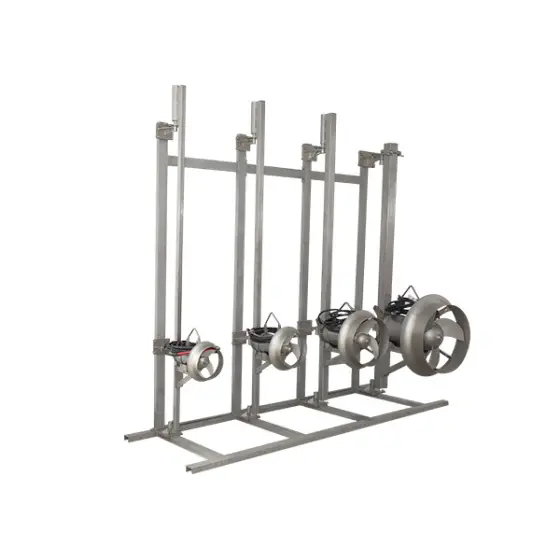
Table of Contents
- Introduction
- How a Sewage Mixer Works
- Key Benefits of Sewage Mixers
- Common Problems Solved by Sewage Mixers
- Technical Parameters and Specifications
- Types of Sewage Mixers
- Selection Guidelines
- Installation and Maintenance Tips
- FAQ
- Conclusion
Introduction
Wastewater treatment plants operate under complex conditions where solids, liquids, and gases must interact efficiently. Without proper mixing, sludge can settle, harmful gases can accumulate, and biological processes may become unstable. This is where a sewage mixer becomes essential.
A sewage mixer is specifically engineered to maintain homogeneous conditions in tanks, basins, and lagoons. It ensures that suspended solids remain evenly distributed, which directly impacts treatment efficiency, energy consumption, and system longevity. For industries and municipalities seeking reliable wastewater management, selecting a high-performance solution such as those offered by Fred-Tech can significantly enhance operational outcomes.
How a Sewage Mixer Works
A sewage mixer operates by generating fluid motion within wastewater tanks using mechanical or hydraulic forces. The core mechanism involves a motor-driven impeller or propeller that creates directional flow patterns.
- Propeller Rotation: The rotating blades push water outward, creating circulation currents.
- Turbulence Generation: Controlled turbulence prevents solids from settling at the bottom.
- Mass Transfer Enhancement: Improved contact between microorganisms and nutrients accelerates biological reactions.
- Uniform Distribution: Chemicals, oxygen, and heat are evenly dispersed throughout the tank.
This continuous movement ensures that the wastewater environment remains stable and optimized for treatment processes.
Key Benefits of Sewage Mixers
Implementing a sewage mixer delivers measurable performance improvements across multiple stages of wastewater treatment.
- Prevents Sedimentation: Keeps solids suspended, avoiding sludge accumulation.
- Enhances Biological Efficiency: Promotes consistent microbial activity.
- Reduces Odor Formation: Minimizes anaerobic zones that produce foul gases.
- Improves Chemical Reactions: Ensures even distribution of treatment chemicals.
- Energy Optimization: Reduces the need for excessive aeration or reprocessing.
These advantages translate into lower operational costs and improved compliance with environmental standards.
Common Problems Solved by Sewage Mixers
Many wastewater systems face recurring operational challenges that directly impact efficiency and maintenance costs. A sewage mixer addresses these issues effectively.
- Sludge Settling: Eliminates dead zones where solids accumulate.
- Uneven Treatment: Ensures consistent mixing across large tanks.
- Odor Emissions: Reduces anaerobic decomposition.
- Clogging Risks: Prevents buildup that can block pipelines and pumps.
- Inefficient Aeration: Enhances oxygen distribution, improving aeration performance.
By solving these problems, sewage mixers contribute to a more stable and predictable treatment process.
Technical Parameters and Specifications
| Parameter | Description |
|---|---|
| Power Range | 0.85 kW – 15 kW |
| Impeller Diameter | 260 mm – 620 mm |
| Rotation Speed | 480 – 980 rpm |
| Material | Stainless Steel / Cast Iron |
| Installation Type | Submersible / Fixed / Portable |
| Operating Temperature | Up to 40°C |
| Protection Class | IP68 |
These parameters may vary depending on the specific model and application requirements. Selecting the appropriate configuration is crucial for optimal performance.
Types of Sewage Mixers
Different applications require different mixing solutions. The main types of sewage mixers include:
- Submersible Mixers: Installed directly in the tank, ideal for deep basins.
- Horizontal Mixers: Suitable for large, shallow tanks.
- Vertical Mixers: Used in smaller tanks with specific flow requirements.
- Jet Mixers: Utilize fluid dynamics instead of mechanical blades.
Each type offers unique advantages depending on tank geometry, fluid characteristics, and treatment goals.
Selection Guidelines
Choosing the right sewage mixer requires careful evaluation of several factors:
- Tank Size and Shape: Determines the required flow pattern and power.
- Fluid Characteristics: Includes viscosity, solid content, and density.
- Mixing Objectives: Suspension, blending, or homogenization.
- Energy Efficiency: Select models with optimized motor performance.
- Durability: Corrosion-resistant materials for long-term use.
Working with experienced manufacturers like Fred-Tech ensures that these parameters are properly matched to your operational needs.
Installation and Maintenance Tips
Proper installation and regular maintenance are essential to maximize the lifespan and efficiency of a sewage mixer.
- Correct Positioning: Install at optimal angles to ensure effective flow coverage.
- Routine Inspection: Check for wear, corrosion, and debris accumulation.
- Motor Protection: Ensure proper sealing and electrical safety.
- Cleaning Schedule: Prevent buildup that could affect performance.
- Spare Parts Availability: Keep essential components readily accessible.
A proactive maintenance strategy minimizes downtime and ensures continuous operation.
FAQ
Q1: What is the primary function of a sewage mixer?
A sewage mixer maintains uniform conditions in wastewater by preventing sedimentation and ensuring even distribution of solids, chemicals, and microorganisms.
Q2: How do I choose the right power rating for a sewage mixer?
The power rating depends on tank size, fluid properties, and mixing requirements. Larger tanks and higher solid content typically require more powerful mixers.
Q3: Can sewage mixers reduce operational costs?
Yes, by improving process efficiency and reducing the need for additional aeration or maintenance, sewage mixers can significantly lower overall operational expenses.
Q4: Are sewage mixers suitable for industrial wastewater?
Absolutely. They are widely used in industrial applications where wastewater contains high levels of solids or complex chemical compositions.
Conclusion
A sewage mixer is an indispensable component in achieving efficient and reliable wastewater treatment. By ensuring proper mixing, preventing sedimentation, and enhancing biological activity, it directly contributes to improved system performance and reduced operational costs.
For organizations seeking durable and high-performance solutions, Fred-Tech offers advanced sewage mixer technologies tailored to diverse industrial and municipal applications. Their engineering expertise ensures optimal mixing efficiency and long-term reliability.
If you are looking to upgrade your wastewater treatment system or need expert guidance in selecting the right equipment, contact us today to explore customized solutions that meet your operational requirements.
