

How Does a Rubber Screw Barrel Enhance Manufacturing Processes?
2026-02-25
Article Summary:
Rubber screw barrels are crucial in industries requiring the extrusion and mixing of rubber and thermoplastic materials. This blog post will delve into the functions, advantages, and challenges of rubber screw barrels and provide practical solutions to optimize their use. We’ll also explore how EJS’s high-performance rubber screw barrels can elevate your manufacturing line.
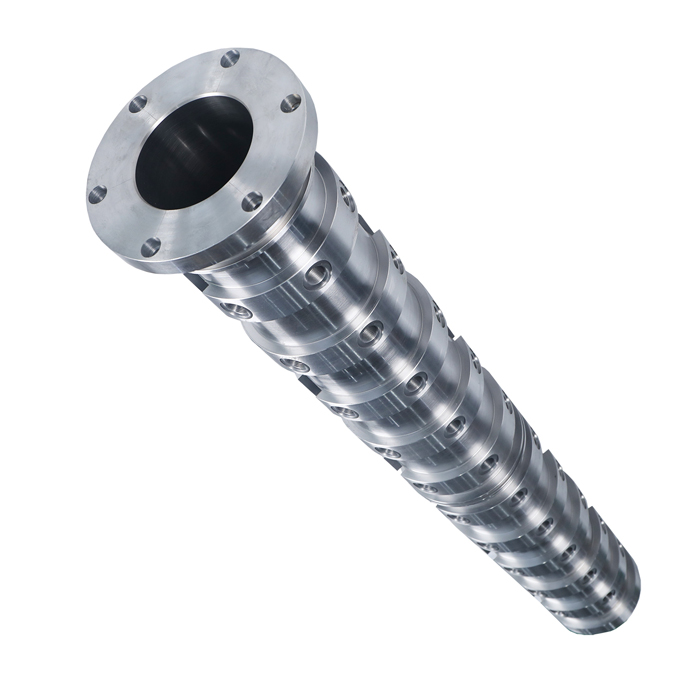
Table of Contents
- Introduction
- What is a Rubber Screw Barrel?
- How Does a Rubber Screw Barrel Work?
- Benefits of Using Rubber Screw Barrels
- Common Issues with Rubber Screw Barrels and How to Resolve Them
- FAQs
- Contact Us
Introduction
The rubber screw barrel plays a key role in various manufacturing processes, especially in industries that require extrusion, mixing, and plasticizing of rubber and thermoplastic compounds. With the growing demand for high-efficiency and durable machines, the rubber screw barrel is at the heart of modern manufacturing, offering numerous advantages such as increased productivity, improved material quality, and reduced waste. In this blog, we will discuss the function of the rubber screw barrel, its benefits, and how EJS’s cutting-edge solutions can help improve your manufacturing output.
What is a Rubber Screw Barrel?
A rubber screw barrel is a vital component in the extrusion system. It consists of a screw that rotates inside a barrel to apply shear force and pressure to the rubber material. This process helps to melt and mix the rubber evenly, which is crucial for consistent product quality. Rubber screw barrels are used in various industries such as rubber tire production, plastic processing, and the manufacture of rubber sheets.
How Does a Rubber Screw Barrel Work?
The rubber screw barrel works by feeding rubber material into the barrel, where the screw, rotating at high speeds, applies pressure and shear force. This causes the rubber to heat up and melt, allowing it to flow smoothly through the barrel. The rubber is then extruded into the desired shape or form. The ability to control the temperature, pressure, and speed of the screw inside the barrel ensures that the rubber material is processed uniformly, achieving optimal consistency and quality.
Benefits of Using Rubber Screw Barrels
- Enhanced Processing Efficiency: Rubber screw barrels are designed to maximize throughput by allowing for faster and more efficient material processing, reducing production time.
- Improved Material Quality: The even distribution of heat and pressure during processing ensures that the rubber maintains consistent quality, which is essential for the performance of the final product.
- Durability: Rubber screw barrels made by EJS are designed for durability, with high-performance materials that can withstand extreme temperatures, pressure, and abrasiveness, leading to a longer lifespan.
- Cost-Effectiveness: By reducing material waste and minimizing the need for frequent maintenance, rubber screw barrels offer long-term savings for manufacturers.
- Versatility: These barrels are not limited to just rubber processing. They can handle a range of materials, including thermoplastics and elastomers, making them suitable for diverse manufacturing applications.
Common Issues with Rubber Screw Barrels and How to Resolve Them
- Wear and Tear: Over time, the friction from processing abrasive materials can cause wear on the screw and barrel. Regular inspection and maintenance can help detect early signs of damage. EJS’s high-quality rubber screw barrels are designed to resist wear, ensuring long-term reliability.
- Blockages: Material buildup can block the flow of rubber inside the barrel, causing inefficiency. To prevent this, ensure the rubber is free from impurities, and opt for barrels with easy cleaning features.
- Inconsistent Extrusion: Inconsistent extrusion is often caused by improper temperature control or an inefficient screw design. It is essential to calibrate the system and select a barrel design that suits the type of material being processed.
- Overheating: If the rubber is overheated, it can lose its properties and become unusable. Monitoring the temperature and ensuring the system is running at optimal levels can prevent overheating. EJS’s screw barrels come with excellent thermal management systems to avoid this issue.
FAQs
1. How do I choose the right rubber screw barrel for my production line?
Choosing the right rubber screw barrel depends on factors such as the type of material you're processing, the production volume, and the specific requirements of your manufacturing process. EJS offers a range of rubber screw barrels tailored to meet various industry needs.
2. How frequently should I maintain my rubber screw barrel?
Maintenance frequency varies depending on the intensity of use, but it's generally recommended to inspect and clean the barrel every 500-1000 hours of operation. Regular maintenance helps extend the barrel’s lifespan and ensures consistent performance.
3. Can I use a rubber screw barrel for processing thermoplastic materials?
Yes, rubber screw barrels can also be used to process thermoplastics. However, you may need to adjust the barrel configuration based on the type of material being processed. EJS provides versatile screw barrels that can handle both rubber and thermoplastic materials efficiently.
4. How does EJS ensure the quality of its rubber screw barrels?
EJS uses advanced manufacturing processes and high-quality materials to create durable, high-performance rubber screw barrels. Our products undergo rigorous quality control testing to ensure they meet industry standards and deliver optimal performance.
Contact Us
If you're ready to improve your manufacturing efficiency and product quality with premium rubber screw barrels, contact EJS today. Our expert team is here to help you select the perfect solution for your needs and provide ongoing support for your operations.
Contact Us Today!
