How Does a Power Train Gear Shaft Optimize Vehicle Performance?
2025-12-12
A power train gear shaft serves as one of the core mechanical components responsible for transmitting rotational energy, stabilizing torque delivery, and synchronizing motion throughout a vehicle’s drivetrain. In modern automotive engineering, the structural integrity, machining precision, and load-bearing capacity of the gear shaft directly influence overall power transfer efficiency, durability under high-stress conditions, and the smoothness of vehicle operation.
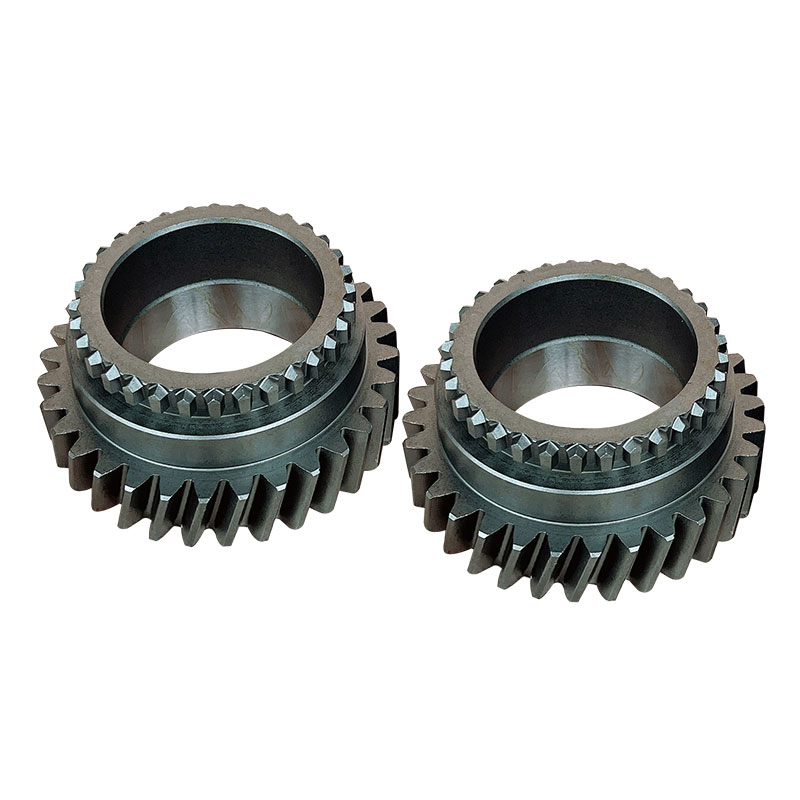
The following representative parameter set highlights the level of engineering detail typically associated with high-specification power train gear shafts used across automotive, industrial, and heavy-equipment applications:
| Parameter Category | Typical Specification Range |
|---|---|
| Material Grade | 20CrMnTi, 20MnCr5, 8620 Steel, 4140 Alloy |
| Heat Treatment | Carburizing, Quenching, Tempering (HRC 58–62 at surface) |
| Hardness Uniformity | Core hardness HRC 30–36; surface hardness HRC 58–62 |
| Dimensional Tolerance | IT6–IT7 precision; concentricity ≤0.01 mm |
| Surface Roughness | Ra ≤0.8 μm for functional contact surfaces |
| Gear Accuracy | DIN 6–8 depending on application requirements |
| Shaft Diameter Range | 20 mm–120 mm (customizable) |
| Length Range | 150 mm–1000 mm (customizable) |
| Fatigue Resistance | Certified for long-cycle torque loads under dynamic motion |
| Manufacturing Processes | CNC turning, hobbing, shaping, grinding, carburizing, precision machining |
| Application Fields | Passenger vehicles, heavy trucks, agricultural machinery, industrial gearboxes |
How Does a Power Train Gear Shaft Manage Torque Transmission Within the Drivetrain?
A power train gear shaft operates as a structural and rotational medium for transmitting torque between gears, bearings, and surrounding mechanical assemblies. A well-engineered shaft ensures the following: stable torque flow under fluctuating loads; maintenance of axial alignment; management of frictional forces; and mitigation of vibrational interference during continuous rotational cycles. In drivetrain systems, the power train gear shaft often interfaces with synchronizer hubs, helical gear sets, clutch assemblies, or output carriers, each requiring precision alignment and consistent rotational balance.
The functional effectiveness of a gear shaft depends heavily on the interplay between metallurgy, surface hardness distribution, heat-treatment stability, and machining precision. Shafts that exhibit micro-crack resistance after carburizing, precise gear tooth alignment after hobbing or grinding, and high torsional rigidity under continuous load cycles provide the strongest operational reliability.
Additionally, the geometric stability of the shaft—specifically its concentricity, straightness, and symmetry—directly influences long-term wear patterns. Excess deviations, even in micrometer ranges, can provoke gear meshing noise, reduced efficiency, or premature failure. Therefore, professional manufacturing protocols focus heavily on dimensional consistency and metrological verification.
How Do Different Gear Shaft Designs Compare in Power Train Applications?
Gear shafts are produced in several design formats, each fulfilling distinct engineering requirements. Hollow shafts reduce weight and inertia while maintaining structural integrity for applications prioritizing fuel economy or rapid rotational acceleration. Solid shafts, by contrast, deliver maximum torsional strength for heavy-duty trucks and industrial equipment subjected to high torque peaks.
Shafts with integrated gear teeth—commonly referred to as gear-integrated shafts—provide alignment accuracy and reduction of component count, mitigating the risks associated with press-fit or keyed gear connections. Meanwhile, modular shaft-plus-gear assemblies enable component-level replacements, benefitting maintenance workflows in industrial applications.
The following core differences typically influence buyer decisions:
-
Load Profile Compatibility: High torque systems favor solid, heavy-section shafts; lightweight architectures prefer hollow or hybrid shafts.
-
Gear Tooth Configuration: Helical teeth provide smoother operation and reduced noise, while spur teeth deliver higher power capacity at lower manufacturing cost.
-
Heat Treatment Pathways: Carburized shafts support high surface hardness and long wear life, whereas induction-hardened shafts may be suitable for localized strengthening requirements.
-
Manufacturing Precision: CNC grinding and hobbing dramatically improve gear accuracy class and operational smoothness.
-
Application Environment: Dust-intensive or lubrication-sensitive environments may require surface treatments that enhance wear resistance and corrosion control.
Procurement teams often evaluate the trade-off between cost, structural reliability, and operating life. Long-cycle machinery generally benefits from higher-grade alloy steel shafts with superior fatigue resistance, even at greater initial cost, because the lifecycle savings outweigh upfront expenditure.
What Should Engineers Consider When Selecting a Power Train Gear Shaft?
When evaluating gear shafts for integration into a powertrain system, engineering teams routinely review material strength metrics, heat-treatment stability, shaft geometry, and fatigue-testing certifications. The following considerations represent the most common engineering checkpoints:
Material Science Factors
Alloy composition dictates the shaft’s response to carburizing, quenching, and grinding. For instance, 20CrMnTi and 20MnCr5 alloys exhibit superior case-hardening properties, enabling high surface hardness with a ductile core. High-grade chromium-molybdenum steels ensure stable mechanical behavior under repetitive high-torque cycles.
Surface Hardness and Wear Behavior
A well-optimized gear shaft demonstrates a surface hardness between HRC 58–62, which protects the gear teeth and bearing surfaces against adhesive and abrasive wear. Concurrently, maintaining a softer core ensures the shaft resists fractures caused by sudden shock loads.
Dimensional Precision Controls
Tolerances for concentricity, perpendicularity, straightness, and surface finish directly influence noise, vibration, and harshness (NVH) performance. Gear shafts manufactured to DIN 6–8 accuracy produce significantly smoother operation compared to lower-grade alternatives.
Fatigue and Lifecycle Validation
Shafts in commercial vehicles and heavy equipment repeatedly endure torque spikes, abrupt speed changes, and continuous oscillation. Fatigue testing—including rotating bending tests and torsional resonance analysis—is essential for validating long-term reliability.
Compatibility With Adjacent Systems
Proper alignment with transmission housings, bearings, synchronizers, couplings, and gear sets ensures seamless integration. Poor compatibility amplifies mechanical losses, noise, or misalignment.
What Are the Key Market Directions for Power Train Gear Shaft Development?
Industry-wide evolution trends reflect the increasing demand for lighter, stronger, and more energy-efficient drivetrain components. Technological development in gear shafts converges around three major directions:
Lightweighting With Strength Preservation
Advanced alloy metallurgy, optimized hollow-shaft geometries, and precision heat treatments enable manufacturers to reduce mass without lowering torsional rigidity. This direction is strongly driven by global efficiency standards in automotive and construction equipment sectors.
Enhanced Manufacturing Automation
High-precision CNC machining, automated hobbing and grinding cells, and in-line optical measurement systems have become standard. These technologies reduce tolerance deviation and ensure uniformity across large production runs.
Extended Durability Under High-Torque Loads
As modern engines and electric powertrains deliver increasingly concentrated torque, gear shafts must exhibit greater resilience. Improved carburizing-control systems, surface engineering (such as nitriding or shot-peening), and controlled cooling paths strengthen the shaft against micro-fractures, distortion, or load-induced fatigue.
Common Questions About Power Train Gear Shafts
Q1: How does heat treatment influence the lifespan of a power train gear shaft?
Heat treatment defines the distribution of hardness between the surface and the core. A hardened surface protects gear teeth and load-bearing regions from wear, while a ductile core absorbs impact forces and prevents brittle failures. Properly executed carburizing and tempering significantly increase the shaft’s ability to endure continuous torque cycles, extend operational life, and reduce maintenance intervals.
Q2: What causes premature wear or failure in a power train gear shaft?
Premature wear often stems from insufficient lubrication, misalignment within the drivetrain, substandard surface hardness, or machining defects that create stress concentration zones. Excessive vibration, gear backlash, and thermal instability can also accelerate surface fatigue. A high-quality shaft that is precision-machined, properly aligned, and paired with an appropriate lubrication regime mitigates these risks.
Conclusion and Contact Guidance
High-performance power train gear shafts play a fundamental role in ensuring stable, efficient, and durable torque transmission across automotive, industrial, and heavy-equipment powertrains. Their engineering value resides not only in material strength and heat-treatment quality but also in precision machining, alignment accuracy, and lifecycle resilience. As market expectations continue to rise, manufacturers capable of delivering tight tolerances, consistent metallurgical integrity, and robust fatigue performance will remain essential partners for OEMs and aftermarket integrators.
Minghua Gear provides comprehensive gear shaft solutions built through controlled heat treatments, high-precision machining operations, and stringent quality assurance protocols designed to meet demanding global standards. Organizations seeking reliable, long-service power train components are encouraged to contact our technical and commercial teams for customized specifications, detailed drawings, or application-specific consultation.
To explore tailored configurations or initiate a procurement discussion, please contact us.