Article Summary
A manual hoist is a practical lifting solution widely used in construction, workshops, warehouses, factories, and maintenance applications where reliable load handling is required without electricity. This article explains how manual hoists work, why they remain essential for industrial lifting tasks, how to select the right model, and what factors affect safety, durability, and operating efficiency. With years of manufacturing experience, Shengyu provides dependable manual hoist solutions designed for different working environments and load requirements.
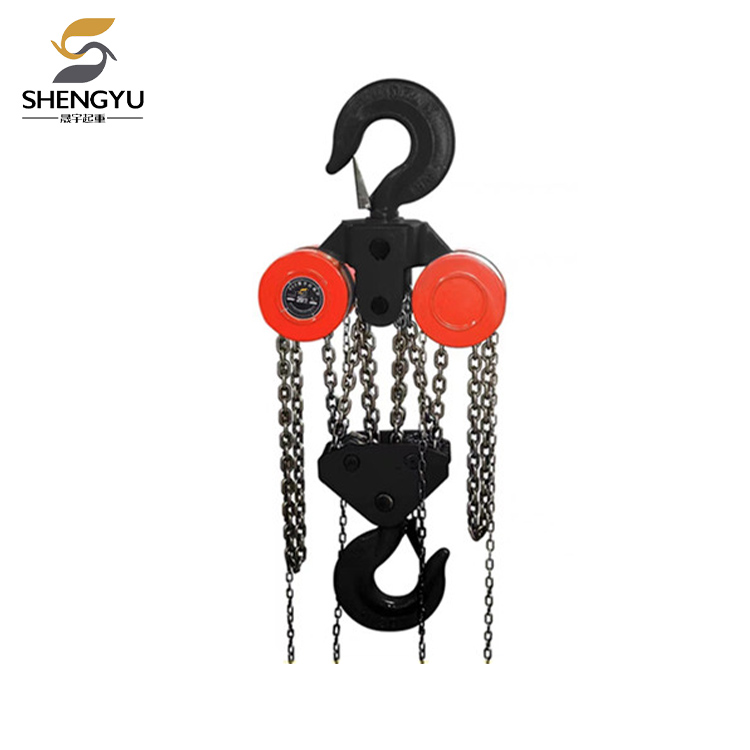
What Is a Manual Hoist?
A manual hoist is a mechanical lifting device designed to raise, lower, and position heavy loads by using human-operated force instead of electric or hydraulic power. It uses a chain, gear system, hooks, and braking mechanism to provide controlled lifting performance.
Unlike powered lifting equipment, a manual hoist does not require electricity, making it suitable for locations where power supply is unavailable or where precise manual control is preferred. Its simple structure, strong load capacity, and reliable operation make it an important tool in many industrial environments.
Modern manual hoists are developed with improved materials and manufacturing processes to achieve higher safety levels, smoother operation, and longer service life. Manufacturers such as Shengyu focus on producing lifting equipment that meets practical requirements from global industrial users.
Key Components of a Manual Hoist
| Component | Function |
|---|---|
| Load Chain | Transfers lifting force and supports the load during operation. |
| Gear System | Multiplies manual force to lift heavy objects efficiently. |
| Brake Mechanism | Keeps the load securely positioned during lifting and stopping. |
| Hooks | Connects the hoist with lifting points or supporting structures. |
| Chain Container | Keeps the chain organized and improves operating convenience. |
How Does a Manual Hoist Work?
The working principle of a manual hoist is based on mechanical advantage. When an operator pulls the hand chain, the internal gears rotate and transfer force to the load chain. The gear reduction system allows a relatively small amount of human effort to lift heavy loads safely.
The braking system plays an important role during operation. When the operator stops pulling the chain, the brake automatically holds the load in position, preventing uncontrolled movement. This design allows workers to lift materials gradually and accurately.
Main Operating Process
- 1. Load Connection: The lifting hook is attached securely to the load or lifting point.
- 2. Manual Operation: The operator pulls the hand chain to activate the gear system.
- 3. Load Movement: The load chain moves through the lifting mechanism to raise or lower the object.
- 4. Position Control: The braking system keeps the load stable at the required height.
Why Manual Hoists Are Still Widely Used
Although electric lifting equipment has become common in many industries, manual hoists continue to play an important role because of their flexibility, reliability, and low operating requirements.
No Power Supply Required
Manual hoists can operate in remote areas, outdoor environments, and workplaces where electrical equipment is inconvenient.
Precise Load Control
Operators can adjust lifting speed and position according to specific working conditions.
Low Maintenance Requirement
The mechanical structure reduces dependence on complex electrical components.
Easy Transportation
Compact designs allow convenient installation and movement between different job sites.
How to Choose the Right Manual Hoist?
Selecting the correct manual hoist requires more than considering lifting capacity. Buyers need to evaluate working conditions, frequency of use, installation method, and safety requirements.
| Selection Factor | Important Consideration |
|---|---|
| Lifting Capacity | Choose a model with suitable rated capacity according to the maximum working load. |
| Lifting Height | Confirm whether the chain length meets the required working distance. |
| Working Environment | Consider factors such as dust, moisture, temperature, and outdoor exposure. |
| Frequency of Operation | Heavy-duty applications require stronger structures and higher durability. |
| Safety Features | Check braking performance, hook design, and overall manufacturing quality. |
Common Mistakes When Purchasing a Manual Hoist
- Choosing a lifting capacity that is too close to the actual load weight.
- Ignoring the environmental conditions where the equipment will be used.
- Focusing only on price while overlooking structural quality.
- Using equipment without checking inspection and maintenance requirements.
Where Are Manual Hoists Commonly Used?
Manual hoists are suitable for various industries because they provide dependable lifting performance without complicated installation requirements.
| Industry | Typical Applications |
|---|---|
| Construction | Lifting steel structures, building materials, and installation components. |
| Manufacturing | Machine installation, equipment maintenance, and workshop lifting operations. |
| Warehousing | Material movement and handling tasks in storage areas. |
| Shipbuilding | Maintenance and assembly work requiring controlled lifting. |
| Mining and Outdoor Projects | Heavy lifting operations in areas without convenient power access. |
How Can You Extend Manual Hoist Service Life?
Proper maintenance helps maintain lifting performance and reduces unexpected downtime. Even a durable manual hoist requires regular inspection and correct operation.
Recommended Maintenance Practices
- Inspect chains, hooks, and braking systems before each use.
- Keep moving parts properly lubricated to reduce wear.
- Avoid exceeding the rated lifting capacity.
- Store the equipment in a dry and clean environment after use.
- Replace damaged components immediately to maintain safety.
How Does Shengyu Support Reliable Manual Hoist Supply?
Shengyu understands that industrial buyers need lifting equipment with consistent performance, stable quality, and dependable supply capability. Through careful material selection, precision manufacturing, and strict quality inspection, Shengyu provides manual hoists designed for practical industrial applications.
From standard lifting solutions to customized requirements, Shengyu works closely with customers to provide suitable products according to load capacity, working environment, and application needs.
Need a Reliable Manual Hoist Solution?
Whether you are sourcing manual hoists for construction projects, industrial equipment maintenance, or wholesale distribution, Shengyu can provide professional support and suitable lifting solutions.
Contact us today to discuss your requirements and get detailed product information from our experienced team.