Summary
The main power switch is a critical component in electrical systems, acting as the central control point for power distribution. This article explores its functionality, types, installation, maintenance, and safety considerations. Understanding these aspects helps industries and households prevent electrical hazards, reduce downtime, and ensure efficient power management. With insights from Ningbo Songle Relays Co., Ltd., this guide provides actionable information to help you make informed decisions about main power switches.
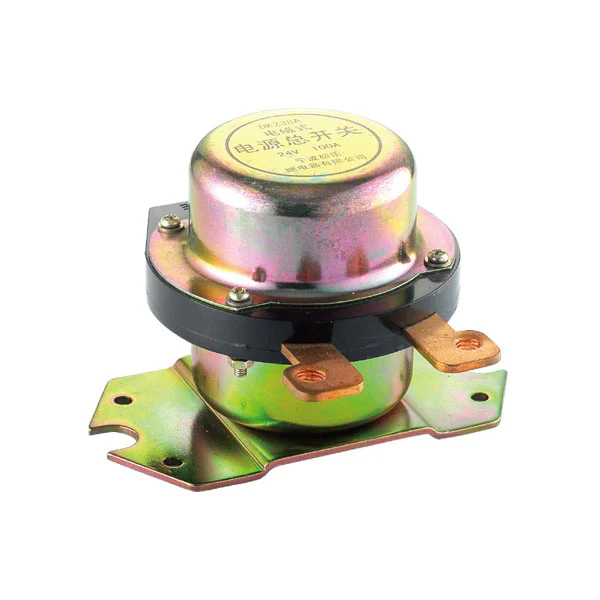
Table of Contents
What is a Main Power Switch?
A main power switch is the central electrical switch that controls the supply of electricity to an entire building, machinery, or electrical panel. It is commonly used in residential, commercial, and industrial settings to isolate power for maintenance or emergency purposes.
Key Functions
- Control: Turns the entire system on or off with a single action.
- Safety: Provides an emergency cut-off in case of electrical faults.
- Protection: Prevents damage to equipment from overloads or short circuits.
How Does a Main Power Switch Work?
The main power switch operates by physically connecting or disconnecting the main electrical supply. When switched on, it allows electricity to flow from the utility source into the building’s electrical circuits. When turned off, it completely isolates the electrical supply, ensuring safe maintenance or emergency response.
Basic Components
| Component | Function |
|---|---|
| Handle | Manual control to switch power on/off |
| Contacts | Conductive parts that open or close the circuit |
| Housing | Protects internal components from dust and damage |
| Indicator | Shows whether the switch is ON or OFF |
Operational Principle
When the handle is moved to the “ON” position, the contacts inside the switch complete the circuit, allowing current to flow. Moving the handle to the “OFF” position separates the contacts, cutting the electricity and providing a safe environment for maintenance.
Types of Main Power Switches
Choosing the right main power switch depends on the application, voltage rating, and safety requirements.
- Manual Disconnect Switch: Operated by hand, commonly used in residential and small commercial settings.
- Automatic Transfer Switch (ATS): Switches power automatically in case of power failure, ideal for critical systems.
- Load Break Switch: Designed for higher voltage applications with the ability to interrupt load current safely.
- Knife Switch: Traditional design, primarily in educational or demonstration settings.
Installation Tips for Main Power Switches
Proper installation ensures the reliability and safety of the main power switch. Follow these tips:
- Locate the switch near the electrical panel for easy access.
- Ensure proper grounding and insulation.
- Use correctly rated switches according to system voltage and current.
- Follow local electrical codes and standards.
- Label the switch clearly for emergency identification.
Maintenance and Safety Considerations
Routine inspection and preventive maintenance are essential to prevent electrical accidents and ensure system efficiency.
Maintenance Checklist
- Check for signs of wear, corrosion, or overheating.
- Tighten connections and inspect contacts.
- Test the switch operation periodically.
- Clean dust and debris from the housing.
- Replace damaged components immediately.
Safety Guidelines
- Always turn off the main power before performing maintenance.
- Use insulated tools and wear protective equipment.
- Ensure only qualified personnel handle high-voltage switches.
- Follow lockout/tagout procedures to prevent accidental activation.
FAQ
Q1: Can a main power switch be installed outdoors?
Yes, but it must have an appropriate IP rating for weather protection and meet outdoor safety standards.
Q2: How often should the main power switch be tested?
It is recommended to test the switch every 6-12 months, depending on usage frequency and environment.
Q3: Can I replace a main power switch myself?
Replacing a main power switch is not recommended for unqualified personnel due to high voltage risks. Always consult a licensed electrician.
Q4: What happens if a main power switch fails?
Failure may lead to power loss, unsafe conditions, or potential damage to electrical equipment. Immediate inspection and replacement are necessary.
Conclusion
The main power switch is a cornerstone of electrical safety and operational efficiency. Whether in a home, factory, or commercial building, understanding its functionality, types, installation, and maintenance practices is essential. Choosing high-quality products, such as those from Ningbo Songle Relays Co., Ltd., ensures reliable performance, safety, and long-term value. For more details or to purchase the perfect main power switch for your needs, contact us today.