How Does a Home Appliance Injection Mold Improve Production Efficiency?
2026-01-13
Article Summary: Home appliance manufacturing demands precision, efficiency, and high-quality output. Home appliance injection molds are essential tools that streamline production, reduce material waste, and ensure product consistency. This article explores the technical aspects, advantages, and practical considerations of using home appliance injection molds, providing a detailed guide for manufacturers seeking reliable solutions.
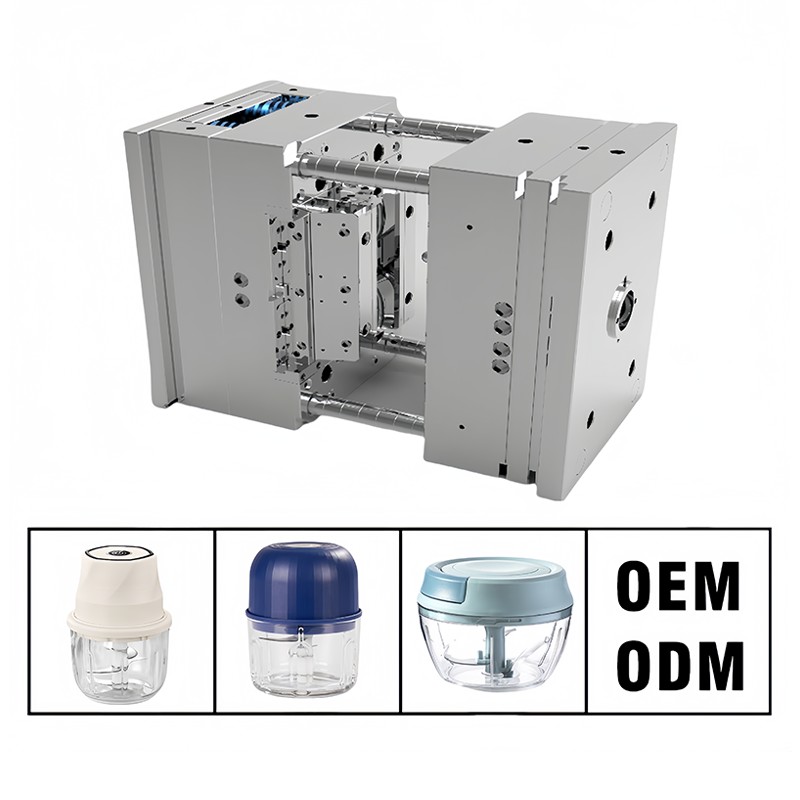
Table of Contents
- Overview of Home Appliance Injection Molds
- Core Features and Benefits
- Material Selection for Durability
- Design Considerations for Optimal Performance
- Common Home Appliance Products
- Frequently Asked Questions
- Contact Us
Overview of Home Appliance Injection Molds
Home appliance injection molds are specialized tools used in manufacturing plastic components for appliances such as vacuum cleaners, rice cookers, electric toothbrushes, and floor scrubbers. The primary purpose of these molds is to produce precise, repeatable, and high-quality parts at scale. Advanced injection molding techniques allow manufacturers to meet stringent quality standards and maintain efficiency in large-scale production.
- High Precision: Molds ensure consistent dimensions and uniform wall thickness.
- Production Speed: Multi-cavity molds allow multiple parts to be produced simultaneously.
- Material Efficiency: Reduces plastic waste and minimizes energy consumption.
Core Features and Benefits
Modern home appliance injection molds incorporate several technological advancements to enhance production performance.
| Feature | Description | Benefit |
|---|---|---|
| High-precision multi-cavity design | Molds often feature 2-8 cavities with hot runner systems | Ensures uniform wall thickness and high surface finish for multiple parts |
| Durable mold materials | Hitachi DC53 steel and nitrogen spring ejection system | Extends mold life beyond 500,000 cycles, reducing downtime |
| Adaptable design | Compatible with various appliance models and power specifications | Provides flexibility in manufacturing different product lines |
| Efficient cooling system | Integrated channels for rapid temperature control | Speeds up production cycle and prevents defects |
Material Selection for Durability
The choice of mold material is critical to achieving longevity and consistent performance. Common considerations include:
- Steel Type: High-quality steels such as Hitachi DC53 offer hardness, wear resistance, and heat tolerance.
- Surface Treatment: Polishing, nitriding, and coating reduce friction and prevent corrosion.
- Ejection System: Nitrogen spring or hydraulic ejection ensures smooth part release without damaging the mold.
Proper material selection minimizes downtime, reduces maintenance costs, and ensures reliable production output.
Design Considerations for Optimal Performance
Designing a home appliance injection mold requires balancing efficiency, accuracy, and ease of maintenance. Key factors include:
- Cavity Layout: Determines the number of parts per cycle and affects overall productivity.
- Gate Design: Proper gate placement ensures uniform flow and reduces surface defects.
- Cooling Channels: Optimize temperature distribution to minimize warping and cycle time.
- Modular Components: Enable quick replacement of worn sections without full mold replacement.
Attention to these design elements ensures smooth manufacturing processes and high-quality finished products.
Common Home Appliance Products Using Injection Molds
Injection molds are widely used across various home appliances. Examples include:
- Vacuum cleaner housings and accessories
- Electric rice cooker shells and inner components
- Electric toothbrush handles and attachments
- Floor scrubber parts and plastic trays
- Electric shaver casings and functional parts
- Intelligent flowerpot and small smart appliances
These molds enable manufacturers to maintain uniform quality while scaling up production for global markets.
Frequently Asked Questions
Q1: How long does a home appliance injection mold last?
A1: With high-quality steel such as Hitachi DC53 and proper maintenance, molds can last over 500,000 production cycles, depending on usage and material processed.
Q2: How can I ensure consistent product quality?
A2: Selecting a multi-cavity mold with a hot runner system, precise cavity design, and proper cooling channels ensures consistent dimensions, smooth surfaces, and minimal defects.
Q3: How customizable are these molds for different appliances?
A3: Home appliance injection molds are highly adaptable. Manufacturers can modify cavity layout, gate positions, and mold components to fit various appliance models and functional requirements.
Q4: How can I reduce maintenance costs for injection molds?
A4: Regular cleaning, proper lubrication, and surface treatment like nitriding or coating will extend mold life and minimize production interruptions.
Contact Us
For manufacturers looking to enhance production efficiency with high-quality home appliance injection molds, Changhua Intelligent Electrical Appliance Co., Ltd. offers customized solutions tailored to your specific needs. Our team ensures precision engineering, durability, and reliable performance for all types of home appliance components. Contact us today to discuss your project requirements and receive professional support.