How Does a Heavy Truck Gearbox Improve Performance and Reliability?
2026-02-09
Abstract: The heavy truck gearbox plays a pivotal role in the performance, fuel efficiency, durability, and overall reliability of commercial vehicles. This comprehensive article explores common challenges faced by fleet managers and truck operators, explains gearbox functionality, reviews types and maintenance best practices, and provides actionable insights for selecting the right gearbox. With detailed sections, practical comparisons segment, this guide addresses critical pain points such as overheating, shifting issues, noise, and gearbox lifespan. The goal is to equip you with clarity and confidence when making decisions related to heavy truck gearboxes.
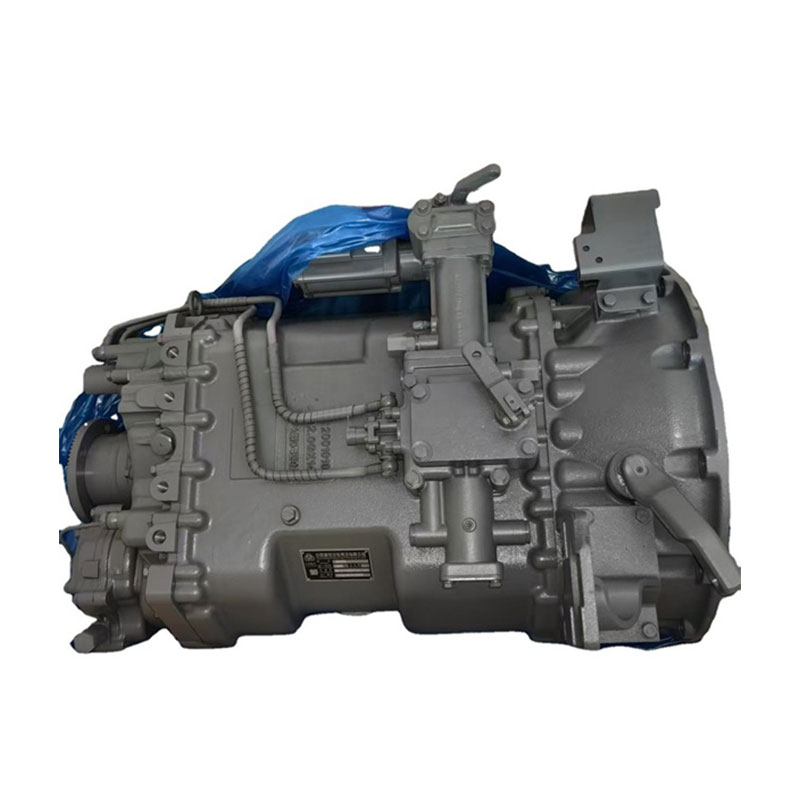
Table of Contents
- Introduction to Heavy Truck Gearboxes
- Core Functions and Benefits
- Types of Heavy Truck Gearboxes
- Common Gearbox Problems and Solutions
- Maintenance Best Practices
- How to Choose the Right Gearbox
- FAQ
- Conclusion and Contact
Introduction to Heavy Truck Gearboxes
Heavy truck gearboxes are critical components that manage power transmission from the engine to the wheels. A well-engineered gearbox ensures efficient torque distribution, smooth shifting, reduced strain on the drivetrain, and overall operational resilience. For commercial trucks operating under heavy loads and variable terrains, the gearbox directly affects performance, fuel economy, and maintenance costs.
Core Functions and Benefits
The primary purpose of a gearbox in a heavy truck is to adapt engine output to the desired speed and torque. Below are the key functions and benefits:
- Torque Multiplication: Adjusts torque to match driving conditions, such as climbing hills or hauling heavy cargo.
- Smooth Power Delivery: Ensures consistent acceleration and deceleration, reducing mechanical stress.
- Fuel Efficiency: Optimized shifting patterns help maintain efficient engine RPMs.
- Enhanced Durability: High-quality gearboxes withstand high loads and prolonged use.
These benefits translate to lower operational costs, improved drivability, and extended service intervals.
Types of Heavy Truck Gearboxes
Choosing the appropriate gearbox type depends on application, driver preference, and load requirements. The main categories include:
| Gearbox Type | Key Characteristics | Best Applications |
|---|---|---|
| Manual Transmission | Direct control over gear selection, durable, lower cost | Long-haul and vocational trucks with experienced drivers |
| Automated Manual Transmission (AMT) | Automates clutch and shifting, improved fuel economy | Urban delivery and mixed-route operations |
| Automatic Transmission | Fully automated shifting, user-friendly | Heavy traffic, driver comfort priority |
Each type has trade-offs: manual gearboxes excel in ruggedness and repair simplicity, while AMTs blend efficiency and ease of use, and full automatics prioritize comfort and consistent shifting.
Common Gearbox Problems and Solutions
Understanding typical gearbox issues helps in diagnosis and preventative planning. The table below highlights common problems and practical solutions:
| Issue | Probable Cause | Recommended Action |
|---|---|---|
| Hard or Erratic Shifting | Low or contaminated transmission fluid | Check and replace fluid; inspect seals |
| Grinding Noises | Gear wear or synchronizer damage | Gearbox inspection and component replacement |
| Overheating | Overload or insufficient cooling | Reduce load; check cooling system and airflow |
| Slippage | Worn clutch or linkage issues | Clutch adjustment or replacement |
Maintenance Best Practices
Regular, proactive maintenance can extend gearbox life and minimize downtime. The following checklist highlights essential tasks:
- Fluid Inspections: Monitor levels and quality at manufacturer-recommended intervals.
- Seal and Gasket Checks: Prevent leaks that reduce lubrication and introduce contaminants.
- Temperature Monitoring: Track operating temperatures to identify stress or cooling issues early.
- Shift Linkage Adjustments: Ensure smooth and accurate gear engagement.
- Professional Diagnostics: Use sensors and diagnostic tools for predictive maintenance.
Adherence to these practices can significantly reduce the risk of expensive repairs and unexpected failures.
How to Choose the Right Gearbox
Selecting a gearbox requires aligning specifications with your operational goals. Consider the following criteria:
- Load Capacity: Ensure the gearbox rating meets or exceeds the expected load demands.
- Compatibility: Confirm fitment with your engine, drivetrain, and vehicle model.
- Driving Environment: Choose gearbox types suited for terrain, traffic patterns, and route variability.
- Serviceability: Evaluate ease of maintenance and availability of parts and technicians.
- Warranty and Support: Prioritize robust warranty coverage and responsive technical assistance.
Balancing performance, reliability, and total cost of ownership will lead to a more effective gearbox decision.
Frequently Asked Questions (FAQ)
Q1: What role does a heavy truck gearbox play in fuel efficiency?
A heavy truck gearbox optimizes engine RPM by enabling appropriate gear ratios. Efficient shifting reduces unnecessary engine load and improves fuel consumption.
Q2: How often should gearbox oil be changed?
The frequency depends on manufacturer guidelines and operating conditions. Typically, gear oil inspection occurs every 20,000 to 40,000 miles, with changes as needed based on fluid condition and usage intensity.
Q3: Can a worn gearbox be repaired, or does it require full replacement?
Minor wear can often be addressed with targeted repairs or component replacements. Severe internal damage may necessitate a full gearbox replacement to ensure long-term reliability.
Q4: Are automated gearboxes better than manual ones?
Automated gearboxes provide consistency and reduced driver fatigue, while manual gearboxes offer simplicity and ruggedness. The best choice depends on driving patterns, driver expertise, and operational priorities.
Q5: How can I tell if my gearbox is overheating?
Indicators include high temperature readings on dashboard sensors, transmission fluid discoloration, unusual smells, or warning lights. Immediate inspection is advisable if these signs appear.
Conclusion
Understanding how a heavy truck gearbox functions, recognizing common challenges, and implementing best practices for maintenance and selection can dramatically improve your vehicle’s performance and operational efficiency. Whether managing a large fleet or maintaining a single truck, informed decisions about your gearbox translate into reliability, cost savings, and peace of mind.