Summary: Fiberglass radomes are critical components in protecting sensitive antennas from environmental damage while maintaining signal integrity. This article explores what fiberglass radomes are, why they are essential, and how they improve antenna performance, helping customers make informed decisions for their communication and radar systems.
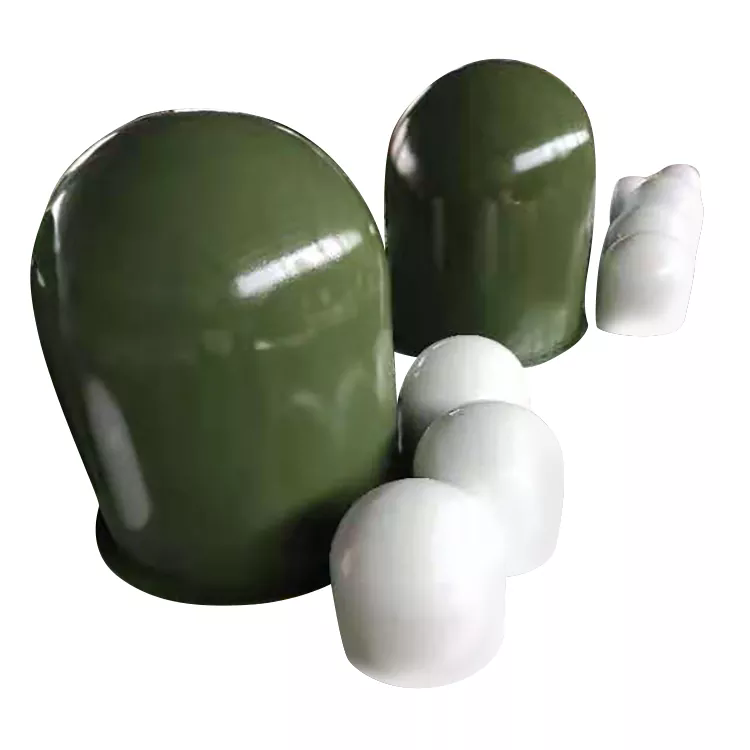
Table of Contents
- What is a Fiberglass Radome?
- Why is a Fiberglass Radome Important?
- How Does a Fiberglass Radome Work?
- Types and Materials of Fiberglass Radomes
- Installation and Maintenance Tips
- Common Problems and Solutions
- Frequently Asked Questions
- Contact Information
What is a Fiberglass Radome?
A fiberglass radome is a protective enclosure designed to shield radar or communication antennas from environmental factors such as wind, rain, snow, UV radiation, and debris. The term “radome” is derived from “radar” and “dome,” emphasizing its protective role. Fiberglass is the preferred material because of its lightweight, durable, and electromagnetic-transparent properties.
Fiberglass radomes are widely used in:
- Telecommunication towers
- Military radar installations
- Weather monitoring stations
- Satellite communication systems
Key advantages include:
| Advantage | Description |
|---|---|
| Lightweight | Easy to install and transport without heavy machinery. |
| Durable | Resistant to corrosion, UV rays, and harsh weather conditions. |
| Electromagnetic Transparency | Allows antennas to transmit and receive signals without interference. |
| Customizable | Shapes and sizes can be tailored for different antenna systems. |
Why is a Fiberglass Radome Important?
Radomes are essential for both the protection and optimal performance of antennas. Without a radome, antennas are exposed to:
- Weather Damage: Wind, rain, ice, and snow can physically damage antennas.
- Signal Interference: Dust, debris, and moisture can distort signals.
- Maintenance Challenges: Exposed antennas require frequent repairs and inspections.
By using a fiberglass radome, organizations can:
- Extend the lifespan of antennas.
- Reduce maintenance costs.
- Ensure consistent and reliable signal transmission.
- Enhance overall system safety and efficiency.
How Does a Fiberglass Radome Work?
Fiberglass radomes protect antennas while allowing electromagnetic waves to pass through with minimal attenuation. Their performance is achieved through careful material selection and structural design:
- Material Selection: High-quality fiberglass composites with specific dielectric properties ensure minimal signal loss.
- Shape Optimization: Dome shapes, cones, or geodesic structures reduce wind resistance and optimize aerodynamic performance.
- Layered Construction: Multiple layers can provide additional UV protection, thermal insulation, and mechanical strength.
- Surface Coating: Optional coatings protect against scratches, erosion, and environmental pollutants.
Technical benefits include:
| Benefit | Impact on Performance |
|---|---|
| Low Dielectric Loss | Maintains high signal quality and reduces signal attenuation. |
| Thermal Resistance | Prevents warping or cracking in extreme temperatures. |
| Mechanical Strength | Withstands high wind loads and heavy precipitation. |
| UV Protection | Prevents material degradation over long-term exposure to sunlight. |
Types and Materials of Fiberglass Radomes
Fiberglass radomes can vary based on shape, material composition, and application:
- Geodesic Radomes: Dome-shaped, ideal for harsh weather conditions.
- Segmented Radomes: Panels assembled into a larger dome, easy for transportation.
- Conical Radomes: Best for directional antennas and radar systems.
- Sandwich Construction: Fiberglass layers with foam core for lightweight yet strong performance.
Materials often used include:
- Glass fiber reinforced plastic (GFRP)
- Resin-based composites
- UV-stabilized coatings
Installation and Maintenance Tips
Proper installation and regular maintenance ensure maximum lifespan and performance:
- Installation: Ensure radome alignment with antenna and avoid stress points.
- Inspection: Check for cracks, UV damage, or mechanical stress annually.
- Cleaning: Use mild detergents and soft brushes to remove debris.
- Repairs: Address minor damages immediately with resin or fiberglass patching kits.
Common Problems and Solutions
Even high-quality fiberglass radomes may face issues if not properly maintained:
| Problem | Cause | Solution |
|---|---|---|
| Cracks or Splits | Extreme weather, impact | Use fiberglass patch repair kits or replace panels |
| Signal Attenuation | Moisture ingress or surface contamination | Seal radome and clean surface regularly |
| UV Degradation | Prolonged sun exposure | Apply UV protective coatings |
Frequently Asked Questions
Q1: Can fiberglass radomes withstand hurricanes?
A1: High-quality geodesic fiberglass radomes are engineered to withstand extreme wind loads, including hurricane-level forces, but proper anchoring is crucial.
Q2: How long does a fiberglass radome last?
A2: With proper maintenance, a fiberglass radome can last 15–25 years, depending on environmental conditions and exposure.
Q3: Is signal loss significant through fiberglass radomes?
A3: Minimal signal loss occurs if the radome is designed with low dielectric materials and properly installed.
Contact Us
If you are looking for high-quality fiberglass radomes to protect and optimize your antenna systems, Jiangsu Ousheng Fiberglass Reinforced Plastic Manufacturing Co., Ltd offers custom solutions tailored to your needs. Visit our product page or contact us to discuss your project and receive professional guidance.