How Does a Dry Wall Screw Improve Construction Efficiency?
2026-05-29
Summary: Dry wall screws are essential fasteners in modern construction. They ensure secure attachment of drywall to framing structures, enhance building durability, and streamline installation processes. This article explores their types, applications, installation techniques, and maintenance considerations to help builders and DIY enthusiasts make informed choices.
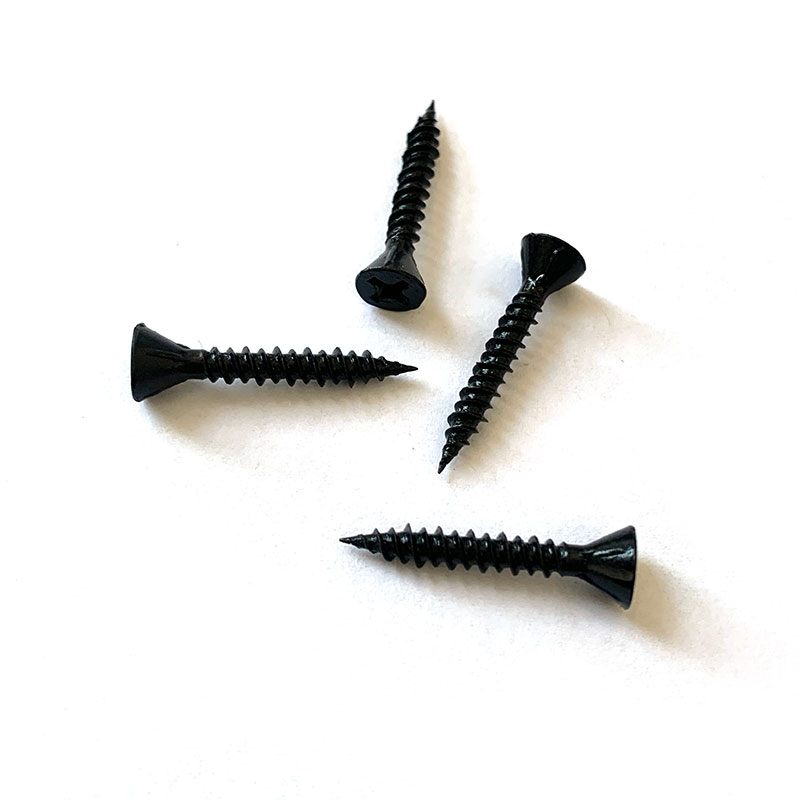
Table of Contents
- What Are Dry Wall Screws?
- Types of Dry Wall Screws
- Benefits of Using Dry Wall Screws
- Installation Tips
- Common Problems and Solutions
- FAQ
- Conclusion
What Are Dry Wall Screws?
Dry wall screws are specialized fasteners designed specifically for attaching drywall sheets to wooden or metal studs. Unlike traditional nails, they provide a stronger grip and reduce the risk of drywall popping over time. They typically feature a sharp point and fine threads for secure anchoring.
- Material: Usually hardened steel, sometimes coated for corrosion resistance.
- Head Type: Phillips or bugle head for smooth countersinking.
- Threading: Coarse threads for wood, fine threads for metal studs.
Types of Dry Wall Screws
Selecting the correct type of dry wall screw is essential for structural stability and ease of installation. Below is a comparison table:
| Type | Application | Material | Thread |
|---|---|---|---|
| Coarse Thread | Wood studs | Steel | Wide spaced |
| Fine Thread | Metal studs | Steel | Tightly spaced |
| Self-Drilling | Metal & wood, no pilot hole | Hardened Steel | Varied spacing |
Benefits of Using Dry Wall Screws
Dry wall screws offer multiple advantages over nails or standard fasteners:
- Enhanced Holding Power: Prevent drywall from loosening over time.
- Reduced Wall Damage: Countersunk heads minimize surface cracks.
- Faster Installation: Compatible with power drills for efficient work.
- Corrosion Resistance: Coated screws extend lifespan in humid conditions.
- Clean Finishing: Allows smooth plastering and painting.
Installation Tips
Proper installation maximizes the performance of dry wall screws:
- Use the correct screw length—typically 1¼" to 2½" for standard drywall thicknesses.
- Ensure the drill is set to low torque to avoid breaking the screw or damaging the drywall.
- Space screws 12–16 inches apart along studs for secure attachment.
- Countersink screws slightly below the drywall surface for easier finishing.
- Avoid over-tightening, which may strip the hole or crack drywall.
Common Problems and Solutions
Even with the right screws, issues may arise. Here’s how to address them:
- Screw Pops: Occur when screws loosen; solution—replace or adjust torque.
- Cracking: Over-tightened screws may damage drywall; solution—countersink gently.
- Corrosion: Use coated screws in humid or exterior areas.
- Difficulty Driving into Metal Studs: Use fine-thread or self-drilling screws.
FAQ
Q1: Can I use wood screws for drywall?
A1: Wood screws may work, but they lack countersunk heads and corrosion resistance. Dry wall screws are recommended.
Q2: How far apart should dry wall screws be placed?
A2: Typically 12 inches on walls and 8 inches on ceilings for stability.
Q3: Are dry wall screws reusable?
A3: Generally, they are designed for single use. Removing them may damage drywall integrity.
Q4: Can I use a power drill?
A4: Yes, a power drill speeds up installation, but use a low-torque setting to avoid damage.
Conclusion
Dry wall screws are indispensable in modern construction, offering durability, ease of installation, and clean finishing. By selecting the appropriate type, following proper installation techniques, and addressing common issues, builders can ensure long-lasting walls and efficient workflow.
For premium quality dry wall screws and professional support, trust Dowson. Contact us today to find the perfect solution for your construction needs.