How Does a Dismantling Joint Improve Piping System Efficiency?
2026-02-28
Article Summary
Dismantling joints are an essential component in modern piping systems, facilitating easy disassembly and maintenance of pipelines without the need for cutting or damaging the structure. This guide explores how dismantling joints function, their role in enhancing operational efficiency, and how selecting the right joint can save both time and costs during installation, repair, and system upgrades. By understanding the key features, advantages, and technical considerations of dismantling joints, businesses can ensure smoother operations and longer-lasting infrastructure.
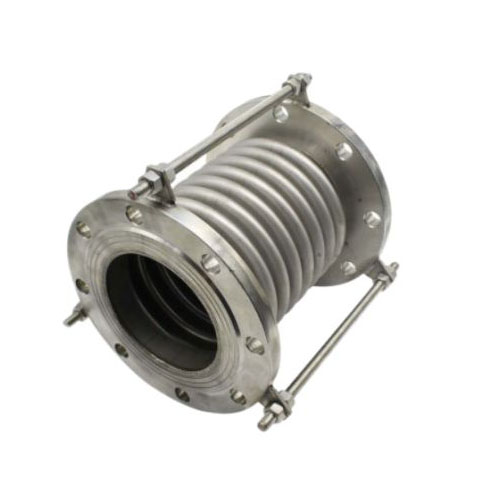
Table of Contents
- Dismantling Joint Overview
- Common Pain Points in Piping Systems
- Types of Dismantling Joints
- How to Choose the Right Dismantling Joint
- Installation and Maintenance Considerations
- Dismantling Joint Comparison Table
- Benefits of Using Dismantling Joints
- Frequently Asked Questions
- Conclusion and Contact Us
Dismantling Joint Overview
A dismantling joint is a mechanical component used in piping systems that allows for easy separation and realignment of pipes and valves. It is commonly installed between the valve and the pipeline, providing flexibility during maintenance, repair, or upgrades. With the ability to adjust the length of the joint, it simplifies the process of removing and replacing parts of the piping system without disrupting the entire setup.
FYL offers high-quality dismantling joints that are built to last and designed for easy installation and removal. These joints are specifically crafted to withstand the pressure and demands of heavy-duty industrial environments.
Common Pain Points in Piping Systems
Without dismantling joints, piping systems can face a number of operational challenges, especially when maintenance or repairs are required.
- Difficulty in accessing valves or pipeline components
- Time-consuming disassembly and reinstallation
- Increased downtime due to complex maintenance procedures
- Damaged pipes and joints during maintenance
- High maintenance costs for traditional systems
Dismantling joints address these issues by providing a quick and efficient way to separate and reconnect system components, reducing maintenance costs and downtime.
Types of Dismantling Joints
There are several types of dismantling joints, each designed to meet different system requirements and operational needs.
- Flanged Dismantling Joint – Features flanged connections, ideal for systems requiring strong seals and higher pressure resistance.
- Mechanical Dismantling Joint – A compact design suitable for space-limited installations.
- Sliding Dismantling Joint – Allows for easy pipe alignment adjustments with minimal space usage.
- Universal Dismantling Joint – Flexible design for varying pipe sizes and configurations.
Choosing the right type of dismantling joint depends on factors such as pipeline size, pressure requirements, and specific maintenance needs.
How to Choose the Right Dismantling Joint
Selecting the proper dismantling joint is crucial for optimizing system performance and ensuring longevity. Several factors should be considered during the selection process:
- Pipeline Size: Ensure the joint is compatible with the diameter and layout of the piping system.
- Pressure Rating: Match the joint’s pressure capacity with the operational pressure of the system.
- Material Compatibility: Choose a joint material that is resistant to corrosion, abrasion, and other environmental factors.
- Installation Space: Take into account available space for installation and any necessary adjustments during maintenance.
- Durability: Select a joint that offers long-lasting performance, especially in high-demand or harsh environments.
FYL offers a wide range of dismantling joints designed to meet these criteria, ensuring reliable performance in various industrial applications.
Installation and Maintenance Considerations
Proper installation and maintenance of dismantling joints are key to ensuring efficient operation and long service life. Here are a few considerations:
- Installation: Ensure the dismantling joint is installed according to manufacturer guidelines to avoid misalignment or leakage.
- Regular Inspection: Inspect dismantling joints regularly for signs of wear, corrosion, or damage.
- Lubrication: Proper lubrication should be applied to ensure smooth operation and avoid excessive wear.
- Pressure Testing: Conduct periodic pressure testing to ensure the integrity of the system and the joint’s sealing capability.
FYL provides detailed installation guides and maintenance support to ensure the proper functioning of dismantling joints throughout their lifespan.
Dismantling Joint Comparison Table
| Joint Type | Suitable Applications | Key Features | Advantages |
|---|---|---|---|
| Flanged | High-pressure pipelines | Strong sealing and pressure resistance | Ideal for heavy-duty applications |
| Mechanical | Compact systems | Space-efficient, easy installation | Great for confined spaces |
| Sliding | Flexible pipe layouts | Pipe alignment adjustments | Easy to install and adjust |
| Universal | Variable system configurations | Flexible size compatibility | Versatile and adaptable |
Benefits of Using Dismantling Joints
Implementing dismantling joints in piping systems offers several significant advantages:
- Cost Efficiency: Reduces the need for expensive, time-consuming disassembly of entire systems during maintenance.
- Time Savings: Speeds up repairs and upgrades by allowing quick access to system components.
- Improved System Flexibility: Facilitates pipe alignment and reconfiguration without the need for welding or cutting.
- Enhanced Durability: Provides long-lasting performance, reducing the frequency of repairs and replacements.
- Better Pressure Management: Dismantling joints help maintain optimal pressure control during adjustments and maintenance activities.
Frequently Asked Questions
What is the primary function of a dismantling joint?
A dismantling joint allows easy separation and realignment of piping system components, facilitating maintenance and upgrades without damaging the pipeline.
Can dismantling joints be used in high-pressure systems?
Yes, dismantling joints are available in designs suitable for high-pressure applications, ensuring safety and reliability under demanding conditions.
How often should dismantling joints be inspected?
Regular inspections should be carried out every 6-12 months, depending on system usage and environmental conditions.
Are dismantling joints compatible with all piping materials?
Dismantling joints can be made from materials compatible with a wide range of piping types, including steel, PVC, and cast iron. It’s important to select the correct material for your system.
Conclusion and Contact Us
Dismantling joints provide an efficient, reliable solution for maintaining piping systems, making it easier to perform repairs, upgrades, and adjustments without major downtime. By selecting the right dismantling joint, businesses can streamline operations, reduce costs, and improve system performance.
FYL is committed to providing high-quality dismantling joints that offer exceptional durability, flexibility, and ease of use. Whether you're upgrading an existing system or installing new pipelines, our solutions ensure seamless operation and long-term reliability. If you're looking for professional guidance on selecting the right dismantling joint for your needs, contact us today.
We are here to help you with all your piping system requirements. Reach out to FYL now for expert advice and customized solutions to improve your piping system efficiency.