How Does a Die Casting Mold Base Improve Manufacturing Efficiency?
2026-04-03
Summary: Die casting mold bases play a crucial role in high-precision manufacturing, providing stability, durability, and consistent performance. This article explores the functions, types, maintenance, and selection criteria of die casting mold bases, addressing common challenges faced by manufacturers. By understanding these aspects, production teams can improve efficiency, reduce defects, and extend the lifespan of their molds.
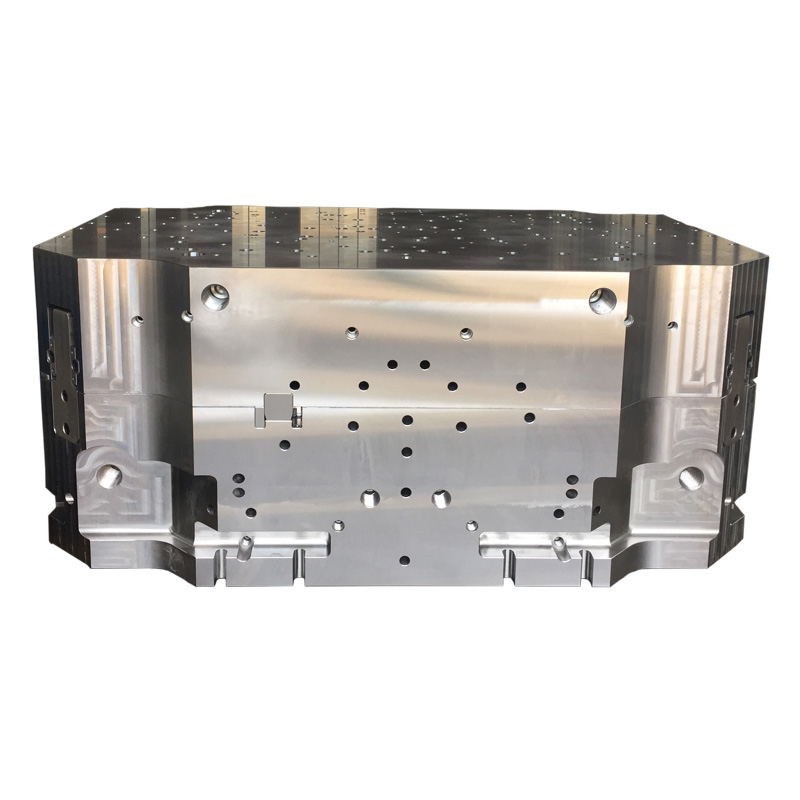
Table of Contents
- Introduction to Die Casting Mold Bases
- Key Functions of a Die Casting Mold Base
- Types of Die Casting Mold Bases
- How to Choose the Right Mold Base
- Maintenance and Troubleshooting Tips
- Frequently Asked Questions
- Conclusion
Introduction to Die Casting Mold Bases
In the die casting industry, the mold base serves as the foundation for the entire mold assembly. It ensures precise alignment of mold components and withstands the repeated pressure of molten metal injection. A reliable mold base contributes to product quality, operational efficiency, and longer mold life.
Manufacturers like Kaiweite focus on designing high-quality mold bases that support stable production and minimize downtime. Understanding how a mold base works is essential for engineers and production managers to make informed decisions.
Key Functions of a Die Casting Mold Base
- Structural Support: The mold base provides a strong framework to hold cavity and core inserts securely.
- Precision Alignment: Guides, pillars, and bushings within the mold base ensure accurate alignment of moving parts.
- Heat Management: Mold bases help dissipate heat efficiently, preventing warping and deformation.
- Durability: High-quality steel bases resist wear from repeated cycles of high-pressure casting.
- Ease of Maintenance: Standardized base components allow for quick replacement and repair.
Types of Die Casting Mold Bases
Choosing the right mold base depends on the production requirements, machine type, and casting material. The common types include:
| Type | Description | Applications |
|---|---|---|
| Standard Mold Base | Pre-fabricated base with universal dimensions suitable for general die casting. | Low to medium volume production |
| Custom Mold Base | Designed according to specific product geometry and machine specifications. | High-precision or complex parts |
| Hot Chamber Mold Base | Optimized for hot chamber die casting machines. | Zinc, magnesium, and lead alloys |
| Cold Chamber Mold Base | Designed for cold chamber machines, suitable for aluminum and copper alloys. | Aluminum automotive parts, industrial components |
How to Choose the Right Mold Base
Selecting the right die casting mold base involves multiple considerations:
- Material Quality: Steel grades such as P20, H13, or S136 provide a balance of hardness and toughness.
- Machine Compatibility: Ensure the base dimensions and mounting holes match your die casting machine.
- Production Volume: High-volume production requires durable and wear-resistant mold bases.
- Cooling Channels: Efficient water or oil channels improve heat dissipation and reduce cycle times.
- Ease of Maintenance: Consider standardized parts to simplify replacement and reduce downtime.
Companies like Kaiweite provide technical consultation to help customers select the optimal mold base for specific applications.
Maintenance and Troubleshooting Tips
Proper maintenance extends the life of a die casting mold base. Here are some key practices:
- Regular Cleaning: Remove residues and debris after each production cycle to prevent wear and corrosion.
- Lubrication: Apply lubricants to guide pins and moving parts to maintain smooth operation.
- Inspection: Check for cracks, warping, or misalignment periodically.
- Repair: Address minor damages immediately to prevent larger failures.
Common troubleshooting issues include:
- Uneven casting thickness → Check mold alignment and temperature control.
- Excessive wear → Consider harder steel or surface treatment for high-volume production.
- Cooling inefficiency → Inspect water channels for blockages and ensure proper flow.
Frequently Asked Questions
- What is a die casting mold base?
- It is the foundational structure that holds the mold cavity and core, ensuring precise alignment and durability during high-pressure casting.
- Why is steel quality important for mold bases?
- High-quality steel resists wear and deformation, providing consistent casting quality and longer mold life.
- Can a single mold base be used for different machines?
- Not always. Compatibility with machine specifications, clamping, and dimensions is critical for safe operation.
- How often should mold bases be inspected?
- Ideally, after every 500-1000 cycles, or sooner if defects are observed in the cast parts.
- Does Kaiweite provide customized mold bases?
- Yes, Kaiweite specializes in both standard and customized mold bases tailored to customer needs. Learn more here.
Conclusion
A high-quality die casting mold base is essential for efficient, precise, and long-lasting production. By understanding the functions, types, selection criteria, and maintenance practices, manufacturers can reduce defects, minimize downtime, and optimize operational performance.
Kaiweite provides reliable mold bases designed to meet various industrial needs. For professional guidance and high-performance mold solutions, contact us today and improve your die casting operations.