How Does a Conveyor Belt Solve Material Handling Challenges?
2026-02-25
Article Summary
A conveyor belt is a fundamental component in modern industrial operations, enabling continuous, safe, and efficient material transportation. However, many businesses still face challenges such as low efficiency, frequent downtime, high labor costs, and inconsistent product flow. This article provides a structured and practical explanation of how a conveyor belt addresses these pain points, how to choose the right system, and what factors determine long-term performance and reliability.
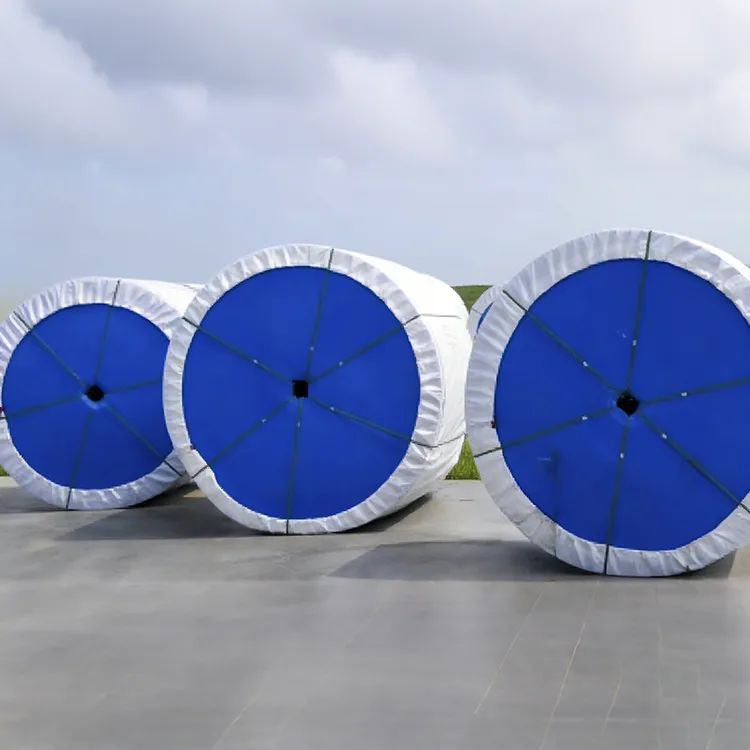
Table of Contents
- Introduction: Why Material Handling Remains a Bottleneck
- What Is a Conveyor Belt and How Does It Work?
- Key Customer Pain Points in Material Transportation
- How a Conveyor Belt Improves Operational Efficiency
- Types of Conveyor Belts and Their Applications
- Critical Selection Factors for Conveyor Belt Systems
- Maintenance and Safety Considerations
- Comparison Table: Manual Handling vs Conveyor Belt
- Frequently Asked Questions
- Conclusion and Business Recommendation
Introduction: Why Material Handling Remains a Bottleneck
In manufacturing, logistics, mining, and warehousing environments, material movement directly impacts productivity and operational cost. Manual handling and outdated transport methods often lead to inefficiencies, workplace injuries, product damage, and inconsistent output. As production volumes increase and delivery timelines tighten, businesses require reliable solutions that support continuous flow without sacrificing safety or control.
A conveyor belt system offers a structured answer to these challenges by enabling automated, predictable, and scalable material transport across various industries.
What Is a Conveyor Belt and How Does It Work?
A conveyor belt is a mechanical handling system composed of a continuous loop of belt material driven by pulleys and supported by rollers or a flat surface. It is designed to transport goods, raw materials, or finished products from one point to another with minimal manual intervention.
Depending on the application, conveyor belts can be configured for horizontal, inclined, or curved movement, ensuring seamless integration into complex production layouts.
Key Customer Pain Points in Material Transportation
Before adopting conveyor systems, many businesses encounter the following operational challenges:
- High labor dependency and rising workforce costs
- Inconsistent material flow causing production delays
- Increased risk of workplace injuries
- Material spillage, contamination, or damage
- Limited scalability for future production growth
These issues not only affect efficiency but also reduce overall competitiveness in demanding markets.
How a Conveyor Belt Improves Operational Efficiency
A well-designed conveyor belt system directly addresses the above pain points through automation and standardization.
- Continuous Operation: Enables uninterrupted material flow without fatigue-related slowdowns.
- Labor Optimization: Reduces reliance on manual handling, allowing staff to focus on higher-value tasks.
- Improved Safety: Minimizes lifting, carrying, and repetitive strain injuries.
- Consistent Throughput: Ensures stable production output and predictable cycle times.
- Layout Flexibility: Adapts to complex facility designs and expansion needs.
Types of Conveyor Belts and Their Applications
Different industries require different conveyor belt designs based on load type, environment, and operational goals.
- Flat Belt Conveyor: Ideal for general manufacturing and assembly lines.
- Inclined Conveyor Belt: Suitable for elevation changes in warehouses and processing plants.
- Heavy-Duty Conveyor Belt: Commonly used in mining, cement, and bulk material handling.
- Food-Grade Conveyor Belt: Designed for hygiene-sensitive environments.
- Heat-Resistant Conveyor Belt: Used in high-temperature industrial processes.
Critical Selection Factors for Conveyor Belt Systems
Choosing the right conveyor belt requires careful evaluation of operational conditions and performance expectations.
- Material type, size, and weight
- Operating environment and temperature
- Required belt speed and load capacity
- Durability and wear resistance
- Maintenance accessibility and lifespan
Working with experienced suppliers such as Rui Le'er ensures that system specifications align with real-world operating demands rather than generic assumptions.
Maintenance and Safety Considerations
Proper maintenance directly affects conveyor belt reliability and operational safety.
- Regular belt alignment and tension checks
- Inspection of rollers, pulleys, and drive units
- Scheduled cleaning to prevent material buildup
- Use of protective guards and emergency stop systems
Preventive maintenance not only extends equipment life but also reduces unexpected downtime.
Comparison Table: Manual Handling vs Conveyor Belt
| Factor | Manual Handling | Conveyor Belt System |
|---|---|---|
| Efficiency | Low and inconsistent | High and continuous |
| Labor Cost | High | Optimized |
| Safety Risk | High | Significantly reduced |
| Scalability | Limited | Highly scalable |
Frequently Asked Questions
Is a conveyor belt suitable for small-scale operations?
Yes. Modular and compact conveyor belt systems can be customized for small facilities while still delivering efficiency gains.
How long does a conveyor belt typically last?
Service life depends on material quality, operating conditions, and maintenance practices. With proper care, many systems operate reliably for years.
Can conveyor belts be customized for specific industries?
Modern conveyor belt systems are highly adaptable and can be tailored for industry-specific requirements, including load type and environmental conditions.
Conclusion and Business Recommendation
A conveyor belt is not merely a transport tool; it is a strategic investment in operational stability, safety, and scalability. By addressing core material handling challenges, businesses can achieve smoother workflows, reduced costs, and improved output consistency.
Rui Le'er provides professionally engineered conveyor belt solutions designed to meet diverse industrial demands. For businesses seeking reliable performance and long-term value, now is the time to contact us and explore customized conveyor belt systems that align with your production goals.