How Does a Condensing Heat Exchanger Work?
2026-07-01
Article Abstract
A condensing heat exchanger is a high-efficiency thermal recovery device designed to extract both sensible heat and latent heat from flue gases or hot exhaust streams. By cooling vapor below its dew point, it enables condensation and recovers additional energy that conventional heat exchangers typically lose. This article explains the working principle, structure, advantages, applications, and selection considerations of condensing heat exchangers, with practical insights for industrial users seeking higher efficiency and lower emissions. It also introduces how Zhejiang HEC Machinery delivers engineered solutions for modern energy recovery systems.
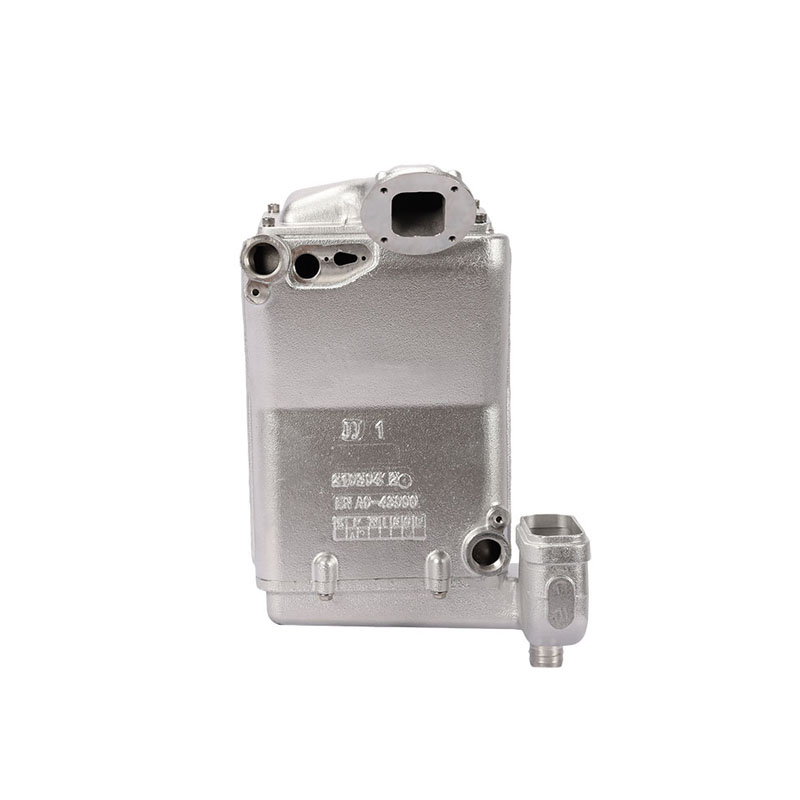
Table of Contents
- 1. Introduction to Condensing Heat Exchangers
- 2. Working Principle Explained
- 3. Key Components and Structure
- 4. Major Benefits for Industrial Systems
- 5. Typical Industrial Applications
- 6. Selection Criteria and Design Factors
- 7. Operation and Maintenance Considerations
- 8. Condensing vs Traditional Heat Exchangers
- 9. Technical Challenges and Solutions
- 10. Zhejiang HEC Machinery Engineering Capability
- 11. Frequently Asked Questions
- 12. Conclusion and Contact
1. Introduction to Condensing Heat Exchangers
In modern industrial energy systems, maximizing heat recovery is a critical engineering objective. A condensing heat exchanger is specifically designed to capture heat from exhaust gases by cooling them below the dew point, causing water vapor to condense and release latent heat. This process significantly improves overall thermal efficiency compared to conventional heat recovery equipment.
Industries such as power generation, chemical processing, HVAC systems, and waste heat recovery increasingly rely on this technology to reduce fuel consumption and emissions while improving system performance.
2. Working Principle Explained
The core working principle of a condensing heat exchanger involves two stages of heat recovery:
- Sensible Heat Recovery: Heat extracted by reducing gas temperature.
- Latent Heat Recovery: Additional energy recovered during condensation of water vapor.
When hot flue gas passes through the exchanger, it is cooled by a secondary medium (usually water or air). Once the gas temperature drops below its dew point, condensation occurs. This phase change releases latent heat, which is then transferred to the cooling medium, dramatically increasing thermal efficiency.
The process can be summarized as:
- Hot exhaust gas enters the exchanger
- Heat transfer surface absorbs thermal energy
- Gas cools to dew point
- Water vapor condenses and releases latent heat
- Recovered heat is transferred to usable system
3. Key Components and Structure
A typical condensing heat exchanger is composed of several engineered elements designed for durability, corrosion resistance, and efficient heat transfer.
- Heat Transfer Tubes: High-conductivity metal tubes designed for rapid heat exchange.
- Condensation Section: Area where phase change occurs and latent heat is recovered.
- Gas Inlet/Outlet System: Controls exhaust flow direction and velocity.
- Cooling Medium Circuit: Circulates water or glycol solution for heat absorption.
- Drainage System: Removes condensate and prevents accumulation.
- Corrosion-Resistant Materials: Stainless steel or specialized alloys to handle acidic condensate.
4. Major Benefits for Industrial Systems
Condensing heat exchangers provide substantial operational advantages in energy-intensive industries. Their benefits include:
- Higher thermal efficiency (up to 10–20% improvement over traditional systems)
- Reduced fuel consumption and operational costs
- Lower greenhouse gas emissions
- Improved system sustainability and compliance with regulations
- Enhanced heat recovery from low-temperature exhaust streams
By recovering latent heat, these systems unlock energy that would otherwise be lost in exhaust gases.
5. Typical Industrial Applications
Condensing heat exchangers are widely deployed across multiple industries:
- Boiler exhaust heat recovery systems
- Combined heat and power (CHP) plants
- Industrial drying systems
- Chemical production facilities
- Food processing plants
- District heating networks
Their adaptability makes them suitable for both large-scale industrial plants and medium-sized energy systems requiring efficiency upgrades.
6. Selection Criteria and Design Factors
Selecting the right condensing heat exchanger requires careful evaluation of operational conditions. Key factors include:
| Factor | Description |
|---|---|
| Flue Gas Composition | Determines corrosion resistance requirements |
| Temperature Range | Affects material selection and efficiency potential |
| Moisture Content | Influences condensation rate and heat recovery |
| Pressure Drop | Impacts system energy consumption |
| Material Durability | Ensures long-term operational stability |
7. Operation and Maintenance Considerations
Proper maintenance is essential to ensure long-term efficiency and reliability. Common practices include:
- Regular inspection of heat transfer surfaces for fouling
- Monitoring condensate drainage systems
- Checking corrosion levels in high-acidity environments
- Cleaning deposits to maintain thermal efficiency
- Verifying flow stability in cooling circuits
Neglecting maintenance can reduce efficiency and increase operational risks, particularly in harsh industrial environments.
8. Condensing vs Traditional Heat Exchangers
| Feature | Condensing Heat Exchanger | Traditional Heat Exchanger |
|---|---|---|
| Heat Recovery Type | Sensible + Latent Heat | Sensible Heat Only |
| Efficiency | High | Moderate |
| Energy Savings | Significant | Limited |
| Complexity | Higher | Lower |
| Investment Cost | Higher Initial Cost | Lower Initial Cost |
9. Technical Challenges and Solutions
Despite their advantages, condensing heat exchangers face several engineering challenges:
- Corrosion Risk: Acidic condensate can damage materials if not properly managed.
- Fouling: Particle buildup reduces heat transfer efficiency.
- System Complexity: Requires precise thermal and hydraulic balancing.
These challenges are addressed through advanced materials, optimized flow design, and intelligent control systems that maintain stable operation under varying loads.
10. Zhejiang HEC Machinery Engineering Capability
Zhejiang HEC Machinery is a specialized manufacturer focusing on advanced heat exchange and energy recovery systems. The company integrates engineering design, precision manufacturing, and industrial application expertise to deliver high-performance condensing heat exchanger solutions.
With strong production capabilities and technical innovation, Zhejiang HEC Machinery supports industries in achieving higher energy efficiency, improved environmental performance, and reduced operational costs. Each system is engineered to meet demanding industrial standards and customized according to client requirements.
11. Frequently Asked Questions
Q1: What makes a condensing heat exchanger more efficient?
It recovers both sensible and latent heat by condensing water vapor in exhaust gases, which traditional systems cannot capture.
Q2: Where is it most commonly used?
It is widely used in boilers, power plants, HVAC systems, and industrial manufacturing processes.
Q3: What materials are used?
Typically stainless steel or corrosion-resistant alloys to withstand acidic condensation environments.
Q4: Does it require frequent maintenance?
Maintenance is periodic and mainly focused on cleaning and corrosion inspection.
12. Conclusion and Contact
Condensing heat exchangers represent a significant advancement in industrial energy recovery technology. By capturing both sensible and latent heat, they provide superior efficiency, reduce emissions, and enhance overall system sustainability. As industries move toward greener and more cost-effective operations, this technology continues to gain importance.
Zhejiang HEC Machinery delivers engineered solutions tailored to modern industrial demands, ensuring reliable performance and long-term operational value.
For detailed specifications, technical consultation, or customized system design, please contact us today. Our engineering team is ready to support your project requirements and provide professional assistance from design to implementation.
Contact us to learn more about how Zhejiang HEC Machinery can optimize your heat recovery systems and improve your energy efficiency.