How Does a Brass Camlock Coupling Improve Industrial Hose Connections?
2026-09-29
Article Summary:
Brass Camlock Coupling is widely used for fast and reliable hose connection in fluid transfer systems. For industries dealing with water, oil, fuel, chemicals, agriculture, and industrial equipment, connection efficiency and sealing reliability directly influence operation safety and maintenance costs. This guide explains how Brass Camlock Coupling works, why brass material is preferred in many applications, how to select the correct type, and what maintenance practices help extend service life. With practical information from XunChi, buyers and engineers can better understand how to integrate brass camlock solutions into their systems.
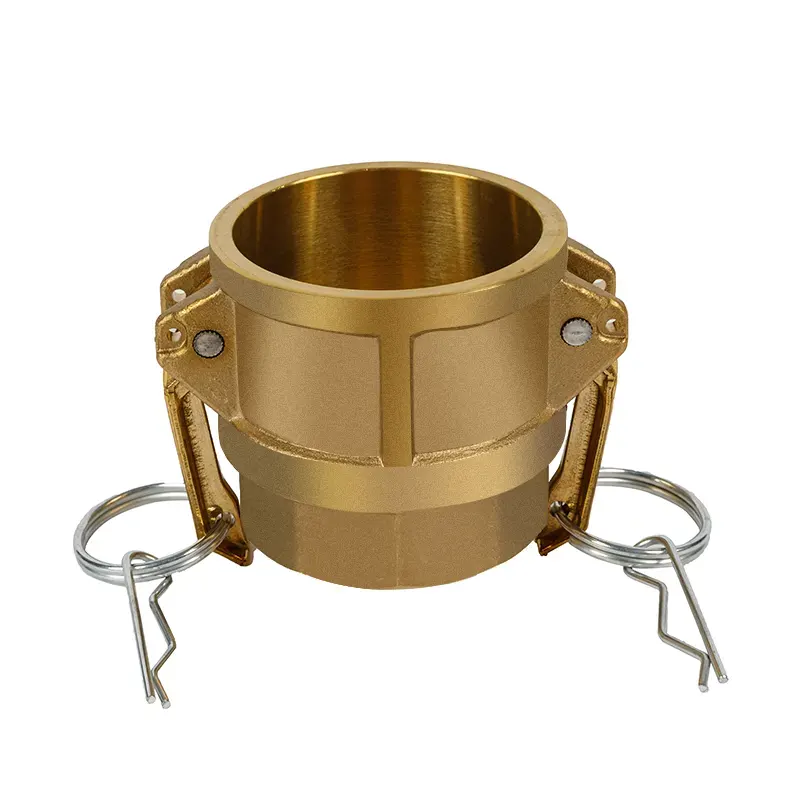
What Is a Brass Camlock Coupling?
A Brass Camlock Coupling, also known as a brass cam and groove coupling, is a quick-connect fitting designed to join hoses, pipes, tanks, pumps, and other fluid handling equipment without complicated threading operations.
Unlike traditional threaded connections that require tools and additional installation time, camlock systems use a simple locking mechanism. The male adapter fits into the female coupler, and the cam arms secure the connection through mechanical locking force.
For industrial buyers, the main value of a brass camlock coupling is not only the connection speed but also the reduction of downtime during hose replacement, equipment cleaning, and system maintenance.
- Quick connection and disconnection without special tools
- Reliable sealing performance for fluid transfer applications
- Good corrosion resistance in many industrial environments
- Suitable for repeated installation cycles
- Compatible with different hose and pipeline systems
How Does a Brass Camlock Coupling Work?
The working principle of a Brass Camlock Coupling is based on the interaction between the adapter groove and the cam arms. When the two coupling parts are connected, the cam arms push the adapter firmly against the internal gasket, creating a secure sealing structure.
Connection Process
| Step | Operation | Function |
|---|---|---|
| 1 | Insert the male adapter | The adapter enters the female coupler body |
| 2 | Close the cam arms | The arms lock into the adapter groove |
| 3 | Compress the gasket | A sealed connection is created |
| 4 | Open the arms for removal | The hose can be disconnected quickly |
This simple structure makes camlock fittings especially valuable in applications where operators frequently connect and disconnect hoses. The design reduces installation time while maintaining stable performance.
Why Is Brass Used for Camlock Couplings?
Material selection has a direct influence on coupling durability. Brass remains a popular option because it provides a balance between mechanical strength, corrosion resistance, machinability, and cost efficiency.
| Feature | Benefit in Industrial Use |
|---|---|
| Corrosion Resistance | Helps withstand moisture, water systems, and many industrial environments |
| Machinability | Allows accurate thread processing and stable dimensions |
| Mechanical Strength | Provides reliable performance during repeated connection cycles |
| Non-Sparking Characteristics | Suitable for certain environments requiring reduced spark risk |
Compared with some heavier metal alternatives, brass offers easier handling while maintaining dependable connection performance. For many medium-duty fluid transfer systems, it provides a practical combination of reliability and economy.
Different Types of Brass Camlock Couplings
Choosing the correct coupling type is essential because different connection structures are designed for different hose and equipment requirements.
| Type | Structure | Common Usage |
|---|---|---|
| Type A | Male adapter with female thread | Pipelines, tanks, industrial connections |
| Type B | Female coupler with male thread | Equipment connection systems |
| Type C | Female coupler with hose shank | Flexible hose connection |
| Type D | Female coupler with female thread | Fixed pipeline applications |
| Type E | Male adapter with hose shank | Hose assembly systems |
| Type F | Male adapter with male thread | Industrial piping connections |
XunChi supplies brass camlock coupling solutions covering different connection requirements, helping customers match fittings with hoses, pumps, and transfer equipment.
How to Select the Right Brass Camlock Coupling?
Many purchasing problems come from selecting the wrong size, thread standard, gasket material, or coupling type. Before placing an order, buyers should evaluate several key factors.
1. Confirm Connection Size
The coupling size should match the hose inner diameter and system flow requirements. Incorrect sizing may reduce efficiency or create unnecessary pressure loss.
2. Check Thread Standard
Industrial systems may use different thread standards, including BSP, BSPT, or NPT. Confirming the required standard helps avoid installation problems.
3. Consider the Transfer Medium
- Water transfer
- Oil and fuel handling
- Agricultural liquids
- Industrial chemicals
- General fluid transportation
4. Select Suitable Sealing Material
The gasket material should match the transferred medium and working temperature. A suitable seal improves leakage prevention and extends service life.
Common Industrial Applications
Brass Camlock Couplings are used across many industries because of their quick operation and flexible connection design.
| Industry | Application |
|---|---|
| Agriculture | Irrigation systems, water transfer, spraying equipment |
| Petroleum | Fuel transfer and storage equipment |
| Manufacturing | Industrial fluid circulation systems |
| Marine | Water and liquid handling equipment |
| Construction | Pumps, temporary pipelines, drainage systems |
Maintenance Tips for Long-Term Performance
Although brass camlock couplings are designed for durability, regular inspection helps prevent unexpected leakage and extends product lifespan.
- Inspect cam arms regularly: Check whether locking components move smoothly and maintain proper engagement.
- Replace damaged gaskets: Aging seals may reduce connection reliability.
- Keep coupling surfaces clean: Dirt and particles can affect sealing performance.
- Avoid excessive force: Proper operation prevents unnecessary mechanical damage.
Frequently Asked Questions
Q1: What is a Brass Camlock Coupling used for?
A Brass Camlock Coupling is mainly used for quick connection between hoses, pipes, tanks, pumps, and fluid transfer equipment. It is commonly applied in water, oil, fuel, agriculture, and industrial systems.
Q2: Can Brass Camlock Couplings be used repeatedly?
Yes. Their quick-connect structure is designed for repeated connection and disconnection. Regular inspection and proper maintenance help maintain performance.
Q3: How do I prevent leakage from a camlock coupling?
Choose the correct size, use a compatible gasket, ensure the cam arms are fully locked, and keep sealing surfaces clean.
Q4: Why choose brass instead of other materials?
Brass provides a practical balance of corrosion resistance, strength, machining performance, and cost efficiency for many industrial applications.
Q5: Does XunChi provide customized Brass Camlock Coupling solutions?
Yes. XunChi supports different connection requirements, including customized specifications, thread options, and industrial application solutions according to customer needs.
Need Reliable Brass Camlock Coupling Solutions?
Choosing the right coupling can improve connection efficiency, reduce maintenance costs, and enhance the reliability of your fluid transfer system. XunChi provides durable Brass Camlock Coupling products with professional manufacturing experience and customized support.
Contact us today to discuss your project requirements and get a suitable coupling solution for your industrial applications.