How Does a Brake Proportioning Valve Work?
2026-04-28
Summary: A brake proportioning valve is a crucial component in a vehicle’s braking system, ensuring balanced brake pressure between the front and rear wheels. This article explains how it works, its importance, common problems, maintenance tips, and how Difon’s solutions provide reliable performance.
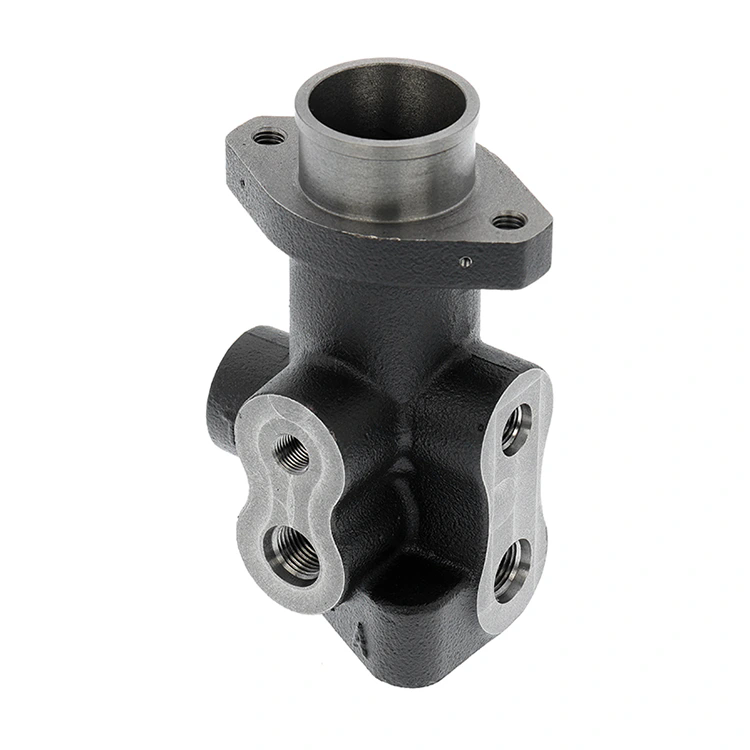
Table of Contents
- What is a Brake Proportioning Valve?
- How Does a Brake Proportioning Valve Work?
- Common Issues and Symptoms
- Maintenance Tips
- Why Choose Difon Brake Proportioning Valves?
- FAQ
What is a Brake Proportioning Valve?
A brake proportioning valve is a hydraulic component installed in the braking system that manages the distribution of brake fluid pressure to the front and rear brakes. Its main purpose is to prevent rear wheel lockup during heavy braking, enhancing vehicle stability and safety.
- Function: Adjusts hydraulic pressure between front and rear brakes.
- Location: Typically found between the master cylinder and rear brakes.
- Importance: Balances braking performance, improves control, and reduces wear on brake components.
How Does a Brake Proportioning Valve Work?
The valve works by reducing pressure to the rear brakes when the front brakes receive higher hydraulic pressure. This prevents the rear wheels from locking up, especially during sudden or heavy braking. It ensures even distribution of braking force and optimizes stopping distance.
| Component | Function |
|---|---|
| Primary Piston | Responds to pressure from the master cylinder and controls fluid flow to rear brakes. |
| Spring Mechanism | Adjusts the resistance level to balance front and rear braking force. |
| Valve Body | Houses the internal components and ensures smooth hydraulic flow. |
Modern vehicles may use proportioning valves integrated with electronic brake systems, offering precise pressure adjustments for better control.
Common Issues and Symptoms
Over time, brake proportioning valves may develop issues that affect braking performance. Identifying these problems early ensures vehicle safety.
- Rear Wheel Locking: If the valve fails, rear brakes may lock unexpectedly.
- Uneven Brake Wear: Unequal pressure can lead to faster wear on front or rear brake pads.
- Soft Brake Pedal: Air or fluid leaks can reduce brake responsiveness.
- Warning Lights: Some vehicles alert the driver with brake warning indicators.
Maintenance Tips
Proper maintenance prolongs the life of a brake proportioning valve and ensures safe braking:
- Regularly check brake fluid levels and quality.
- Inspect for leaks or corrosion around the valve and brake lines.
- Test brake responsiveness and pedal feel periodically.
- Replace worn or malfunctioning valves with quality parts like Difon’s range.
Why Choose Difon Brake Proportioning Valves?
Difon provides high-quality brake proportioning valves designed for optimal performance and reliability. Key advantages include:
- Precision Engineering: Ensures balanced hydraulic pressure and smooth braking.
- Durable Materials: Resistant to wear, corrosion, and extreme temperatures.
- Easy Installation: Compatible with a wide range of vehicle models.
- Trusted Brand: Difon has years of experience providing reliable brake components.
FAQ
-
Q: How do I know if my brake proportioning valve is failing?
A: Signs include rear wheel lockup, uneven brake wear, or a soft brake pedal. -
Q: Can I replace the valve myself?
A: While some skilled DIYers can, professional installation is recommended for safety. -
Q: How often should I inspect the valve?
A: It is advised to inspect it during routine brake maintenance, typically every 20,000–30,000 miles.
Ensure your vehicle's braking system performs at its best. Difon brake proportioning valves offer dependable quality and superior safety. For purchase inquiries or technical support, contact us today.