How Does a Balanced Cage-Guided Control Valve Improve Industrial Flow Control?
2026-01-14
Summary: Balanced cage-guided control valves are crucial for modern industrial applications where precision, low noise, and reliability are required. This article explores their structure, functionality, applications, benefits, and maintenance practices, providing guidance for engineers and facility managers seeking optimized fluid control solutions.
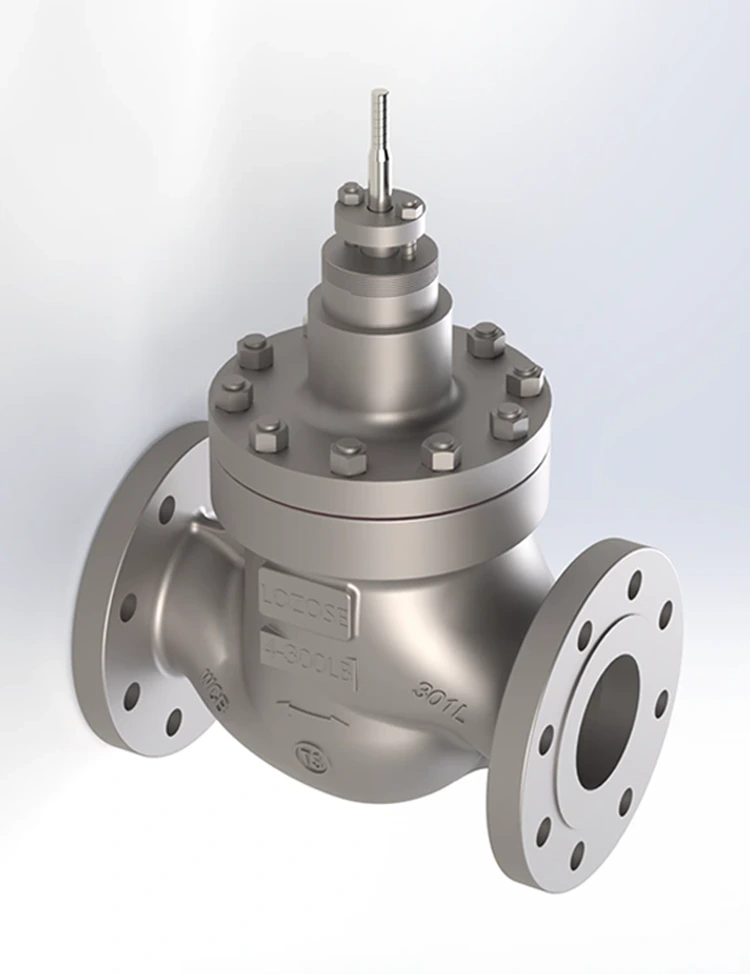
Table of Contents
- Overview of Balanced Cage-Guided Control Valves
- Valve Structure and Design
- Industrial Applications
- Key Advantages
- How to Select the Right Valve
- Maintenance and Troubleshooting
- Frequently Asked Questions
- Contact Information
Overview of Balanced Cage-Guided Control Valves
Balanced cage-guided control valves are pressure-balanced regulating valves designed for precise control of liquids and gases in industrial processes. They feature an S-shaped fluid channel and guide vanes that ensure low pressure drop, high flow rates, and stable operation. These valves comply with international standards for flow control accuracy and leak-tight performance.
- Pressure-balanced design reduces unbalanced forces on the valve core.
- Wide adjustable range supports diverse flow control requirements.
- Low noise and minimal cavitation enhance operational stability.
- Compatibility with pneumatic, electric, or diaphragm actuators.
Valve Structure and Design
The balanced cage-guided valve combines precision engineering with durability. Key design elements include:
| Component | Material | Function |
|---|---|---|
| Valve Body | WCB, CF8, CF8M | Withstands high pressure, temperature, and corrosive media |
| Valve Core and Seat | 304, 304+PTFE, 304+Stellite Alloy | Provides wear resistance and corrosion resistance |
| Cage and Guide Vanes | Stainless Steel | Balances fluid forces and reduces vibration |
| Actuator | Pneumatic/Electric/Diaphragm | Ensures precise movement of the valve core |
The streamlined S-shaped flow path reduces turbulence, improves flow characteristic accuracy, and ensures dynamic stability across variable operating conditions.
Industrial Applications
Balanced cage-guided control valves are versatile and widely used in:
- Petroleum and petrochemical processing
- Power generation and steam regulation
- Chemical plants and gas pipeline systems
- Metallurgical processes and high-pressure water flow control
- Corrosive media handling and desalinization systems
The valves are suitable for high-pressure fluids, high and low temperatures, and media containing suspended particles, providing reliable performance even in demanding environments.
Key Advantages
- High Flow Accuracy: Optimized cage design reduces unbalanced forces for precise flow regulation.
- Low Noise and Vibration: Minimizes operational noise and enhances system stability.
- Cavitation Resistance: Anti-cavitation features extend valve life in high-pressure applications.
- Wide Compatibility: Supports pneumatic, electric, or diaphragm actuators for diverse industrial setups.
- Durability: Resistant materials for the body and seat ensure long-term reliability.
How to Select the Right Valve
Choosing the correct balanced cage-guided control valve depends on the following factors:
- Fluid Type: Identify whether the medium is liquid, gas, or corrosive.
- Operating Pressure and Temperature: Select materials and actuator types suitable for the process.
- Flow Rate Requirements: Determine required flow characteristics and select appropriate valve size.
- Installation Environment: Consider space constraints and maintenance access.
- Control Precision: Ensure the actuator and valve design meet desired control accuracy.
Maintenance and Troubleshooting
Routine maintenance ensures consistent performance and extends valve lifespan:
- Regular inspection for leaks and wear on the valve seat and core.
- Cleaning of guide vanes and flow path to prevent debris buildup.
- Checking actuator calibration and adjusting stroke limits.
- Replacing worn seals or packing to maintain leak-tight performance.
- Monitoring noise and vibration levels for early detection of cavitation.
Frequently Asked Questions
- What makes balanced cage-guided valves different from standard control valves?
- The cage design balances internal pressures and reduces unbalanced forces, resulting in stable flow control and less vibration.
- Can these valves handle corrosive fluids?
- Yes, with appropriate material selection such as CF8M body and Stellite-coated seats, they are highly resistant to corrosion.
- What types of actuators are compatible?
- Pneumatic diaphragm, pneumatic cylinder, and electric actuators can all be integrated based on process requirements.
- Are these valves suitable for high-pressure steam applications?
- Yes, the pressure-balanced structure and anti-cavitation design make them ideal for steam pressure regulation.
Contact Information
LOZOSE provides high-quality balanced cage-guided control valves suitable for demanding industrial processes. For personalized solutions and inquiries, contact us today to discuss your requirements and receive expert guidance.