How Do You Remove a Zinc Plated Hollow Wall Anchor Without Damaging the Wall
2026-05-22
Removing a Hollow Wall Anchor Zinc Plated can feel risky. One wrong move and the drywall cracks or crumbles. Yet with the right technique, the wall stays intact. Fixingmore offers high-quality Hollow Wall Anchor Zinc Plated solutions, but even the best anchors sometimes need removal during renovations or repairs.
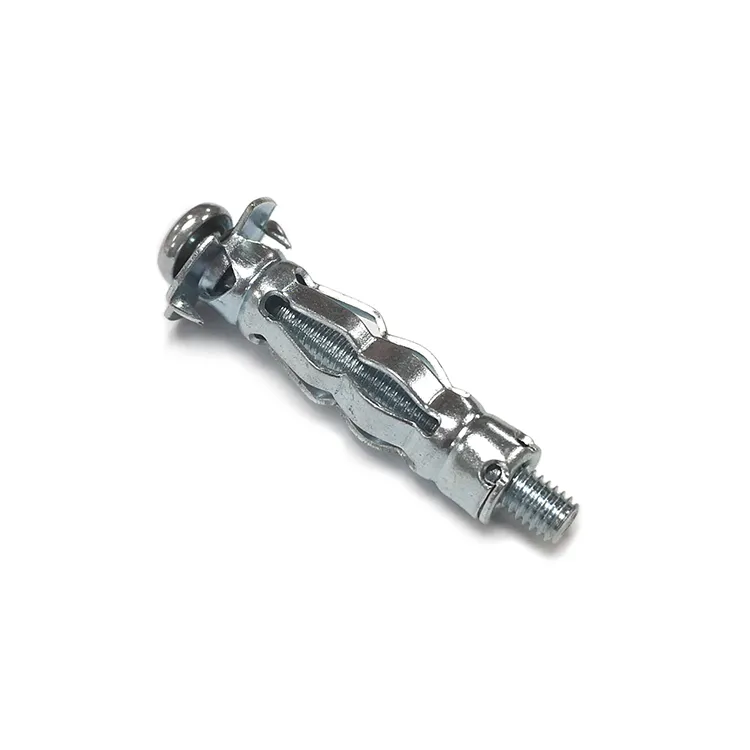
Step-by-Step Removal Process
The key is to avoid pulling the anchor outward. Instead, push it inward or drill it out carefully.
| Step | Action | Tool Needed |
|---|---|---|
| 1 | Back out the screw partially | Screwdriver |
| 2 | Tap the screw head gently | Hammer |
| 3 | Push anchor into wall cavity | Screwdriver + hammer |
| 4 | Patch the small hole | Spackle + putty knife |
| 5 | Sand and paint | Sandpaper, paint |
Detailed instructions:
-
Remove the screw – Turn the screw counterclockwise until it is loose but still engaged with the anchor threads.
-
Lightly tap – Place a screwdriver tip against the screw head and tap gently with a hammer. This pushes the Hollow Wall Anchor Zinc Plated forward into the hollow space behind the drywall.
-
Let it fall – Once the anchor is fully inside the wall cavity, pull out the screw. The anchor drops harmlessly behind the wall.
-
Patch the hole – Fill the small surface hole with lightweight spackle.
-
Finish – Sand smooth and repaint.
What Not to Do
| Incorrect Method | Why It Damages the Wall |
|---|---|
| Pulling the anchor with pliers | Tears drywall paper and crumbles core |
| Hammering the anchor sideways | Creates a large, irregular hole |
| Leaving the screw fully tightened | Prevents inward movement |
Hollow Wall Anchor Zinc Plated FAQ
Q: Can I reuse a Hollow Wall Anchor Zinc Plated after removal?
A: No. Once a Hollow Wall Anchor Zinc Plated is pushed into the wall cavity or drilled out, it cannot be reused. The expansion mechanism deforms during initial installation. For a new mounting point, Fixingmore recommends using a fresh anchor. Attempting to reuse a removed anchor will result in poor holding strength and potential wall damage.
Q: What if the anchor spins freely and won’t push in?
A: A spinning Hollow Wall Anchor Zinc Plated indicates the hole has become enlarged. First, try gripping the anchor flange with needle-nose pliers while tapping the screw inward. If that fails, carefully drill the anchor head with a 1/4-inch drill bit until the flange separates. The rest will fall into the wall. Fixingmore advises patching the hole with a drywall repair patch for holes larger than 1/2 inch.
Q: Will pushing the anchor into the wall cause mold or insulation issues?
A: Generally no. A single Hollow Wall Anchor Zinc Plated falling into an uninsulated drywall cavity poses no mold risk. However, in exterior walls with vapor barriers or insulation, Fixingmore suggests retrieving the anchor by cutting a small access hole (then patching it) or using a magnetic retrieval tool. Do not leave multiple anchors inside a wall cavity with electrical wiring.
Best Practices for Professional Results
-
Use a stud finder to locate wires or pipes before tapping.
-
For metal Hollow Wall Anchor Zinc Plated, a magnetic pickup tool can retrieve fallen anchors without enlarging the hole.
-
When patching, apply spackle slightly higher than the wall surface, then sand flush.
Fixingmore engineers every Hollow Wall Anchor Zinc Plated for reliable performance and easy removal when using the correct method. By pushing the anchor inward instead of pulling outward, the drywall remains nearly pristine — only a tiny hole the size of the original screw remains.
Contact Us
Need professional advice on anchor selection or removal tools? Contact Fixingmore today – our team provides free technical support, bulk pricing, and fast shipping for all Hollow Wall Anchor Zinc Plated products.