

How Do You Properly Maintain And Lubricate Deep Groove Ball Bearings
2026-01-19
Ensuring the reliable performance and longevity of your machinery hinges on proper bearing care. Deep Groove Ball Bearings are workhorses in countless applications, but their durability is directly tied to correct maintenance and lubrication practices. As experts with decades of experience, BMT provides this essential guide to help you maximize the service life of your bearings and prevent costly downtime.
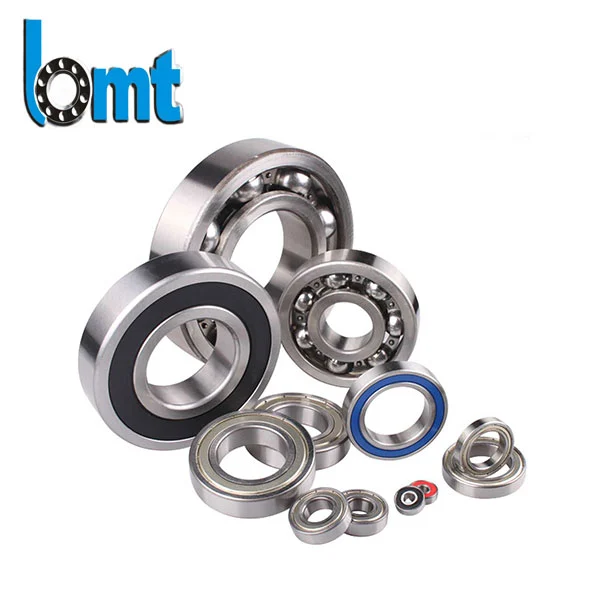
Proper maintenance is a proactive process. It begins with correct handling and storage to prevent corrosion and contamination before installation. Once in operation, a regimented schedule is key. Here is a core maintenance checklist:
-
Regular Inspection: Monitor for unusual noise, vibration, or temperature increases.
-
Cleanliness: Keep the bearing and its surroundings free from dust, dirt, and moisture.
-
Proper Tools: Always use the correct tools for installation and removal to avoid damaging bearing rings.
-
Re-lubrication: Follow a schedule based on operating conditions to replenish or replace lubricant.
Selecting the right lubricant is critical. The choice between grease and oil depends on speed, temperature, and load. Use the table below as a fundamental guide:
| Factor | Grease Lubrication | Oil Lubrication |
|---|---|---|
| Speed | Low to Medium | High |
| Temperature | Standard Range | High or Precise Control |
| Sealing | Excellent (Seal itself) | Requires Additional Seals |
| Maintenance | Re-lubrication Intervals | May Require Circulating System |
Deep Groove Ball Bearings FAQ
Q: How often should I re-lubricate my deep groove ball bearings?
A: There is no universal interval. It depends on the bearing size, speed, operating temperature, and the grease type. Consult the manufacturer's charts from a trusted supplier like BMT, which factor in these variables to calculate a reliable re-lubrication period. High temperatures or contaminated environments demand more frequent lubrication.
Q: Can I mix different greases when re-lubricating?
A: It is strongly discouraged. Incompatible greases can react, causing softening, hardening, or breakdown that leads to rapid bearing failure. Always completely remove the old grease before applying a new one, or ensure strict compatibility.
Q: What is the most common mistake in bearing maintenance?
A: Over-lubrication is a frequent and serious error. Excess grease, especially in high-speed applications, causes churning, which generates significant heat and energy loss, ultimately leading to premature grease degradation and bearing failure. Fill the cavity appropriately, typically 30-50% for standard applications.
Consistent and correct maintenance is the most cost-effective strategy for your equipment. By following these guidelines, you protect your investment and ensure optimal performance. For application-specific advice, premium quality Deep Groove Ball Bearings, and the right lubricants, partner with the experts.
Contact us at BMT today for a personalized consultation and let our technical team help you optimize your bearing maintenance program.
