How Do You Properly Maintain a Grease Gun Coupler to Extend Its Lifespan
2026-03-25
A Grease Gun Coupler is the critical link between your lubrication equipment and the machinery it protects. When a Grease Gun Coupler fails, it leads to wasted grease, contaminated work areas, and under-lubricated components that accelerate equipment wear. Proper maintenance is not optional—it is essential for maximizing uptime and reducing operational costs. SAKURA SNOW has engineered a range of high-performance lubrication tools designed for durability, but even the finest equipment requires consistent care. This guide provides a professional framework for maintaining your Grease Gun Coupler to ensure years of reliable service.
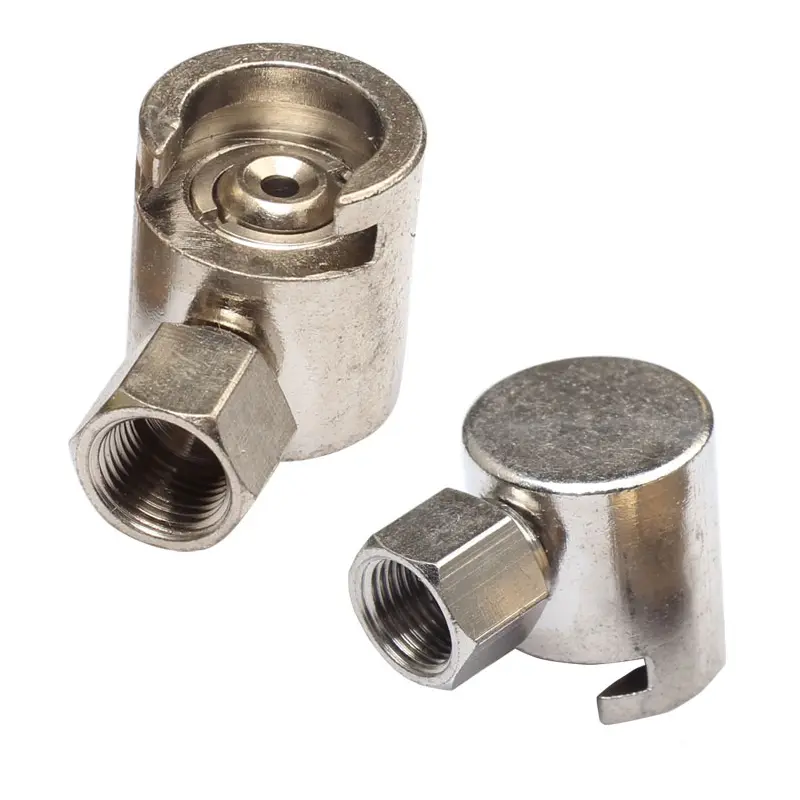
The Professional’s Maintenance Checklist
Effective maintenance begins with a systematic approach. Below is a structured regimen that applies to all standard and heavy-duty Grease Gun Coupler models, including those from SAKURA SNOW.
| Maintenance Task | Frequency | Critical Action |
|---|---|---|
| External Cleaning | After every use | Wipe down the coupler body and jaw mechanism with a lint-free cloth to remove old grease and abrasive contaminants. |
| Jaw and Seal Inspection | Weekly | Examine the internal gripping jaws and rubber seals for deformation, cracking, or embedded debris. Replace if compromised. |
| Pressure Flush | Monthly | Purge fresh grease through the coupler while disconnected from any fitting to clear dried lubricant from internal passages. |
| Thread Lubrication | Bi-weekly | Apply a thin layer of anti-seize compound to the inlet threads to prevent galling and ensure a secure connection to the gun. |
| Spring Tension Test | Quarterly | Verify that the coupler’s spring mechanism provides sufficient force to lock onto a standard zerk fitting without excessive resistance. |
Common Failure Modes and Prevention
A Grease Gun Coupler typically fails in three ways: jaw slippage, seal leakage, or internal clogging. Jaw slippage occurs when the gripping teeth wear down or become packed with hardened grease. Seal leakage often results from using incompatible greases that degrade rubber compounds. Clogging happens when old grease dries inside the narrow passages, restricting flow.
To prevent these issues, always match your Grease Gun Coupler to the viscosity range of your lubricant. For high-pressure applications, SAKURA SNOW recommends couplers with hardened steel jaws and nitrile seals that resist petroleum-based degradation. Additionally, storing the coupler in a clean, dry environment prevents contamination before it enters the system.
Grease Gun Coupler FAQ
What is the most common sign that my grease gun coupler needs immediate replacement?
The most definitive sign is consistent slipping from the zerk fitting under normal operating pressure. A functional Grease Gun Coupler should audibly click onto the fitting and remain engaged even when the grease gun hose is flexed during use. If the coupler releases without pulling the sleeve back, the internal jaws have worn beyond tolerance. Another critical indicator is grease weeping from the rear of the coupler body rather than exiting through the nose—this signifies a failed internal seal that will lead to pressure loss and incomplete lubrication. In such cases, replacement is more cost-effective than attempting to repair a worn jaw mechanism.
Can I use the same grease gun coupler for both standard and high-pressure hydraulic applications?
No. Standard Grease Gun Coupler models are typically rated for operating pressures up to 6,000 PSI, while high-pressure hydraulic systems often require couplers rated for 10,000 PSI or more. Using a standard coupler in a high-pressure environment risks sudden seal failure or catastrophic jaw ejection. SAKURA SNOW offers application-specific couplers: the SS-HDC series for heavy-duty construction equipment and the SS-PRO series for precision hydraulic systems. Always verify the pressure rating stamped on the coupler body before connecting to high-pressure circuits. Mixing applications not only voids warranties but also creates serious safety hazards due to potential grease injection injuries.
How do I properly clean a grease gun coupler that has become clogged with dried grease without damaging it?
Begin by disconnecting the Grease Gun Coupler from the gun and removing any excess surface grease. Soak the entire coupler in a petroleum-based solvent or specialized grease dissolver for 20 to 30 minutes to soften hardened deposits. After soaking, use a small brass brush to gently clean the jaw cavity—never use steel wire brushes, as they can score the sealing surfaces. To clear internal passages, insert a wooden dowel or plastic probe into the inlet end to push softened debris out through the nose. Avoid using metal picks inside the jaw mechanism, as this can deform the gripping teeth. Once cleaned, flush the coupler with fresh grease by attaching it to the gun and operating it until clean lubricant exits the nose. For SAKURA SNOW couplers, this method preserves the factory tolerances essential for reliable engagement.
Why Professional-Grade Maintenance Matters
The cost of replacing a neglected Grease Gun Coupler extends far beyond the component itself. When a coupler fails mid-lubrication, technicians often assume the machine has been adequately greased when in fact no lubricant reached the bearing. This hidden condition leads to premature bearing failure, unplanned downtime, and repair costs that can exceed hundreds of times the price of the coupler. By adopting a disciplined maintenance routine and using quality components from SAKURA SNOW, maintenance teams eliminate this hidden risk.
Contact Us
Optimizing your lubrication program starts with reliable equipment and proper maintenance knowledge. SAKURA SNOW provides a full range of professional-grade Grease Gun Coupler solutions designed for the most demanding industrial environments. Whether you need replacement couplers, complete grease gun assemblies, or expert guidance on selecting the right component for your application, our technical team is ready to assist. Contact us today to discuss your lubrication equipment needs and discover how SAKURA SNOW can help you achieve longer component life and reduced maintenance costs.