How Do You Properly Clean and Maintain a Stainless Steel Boat Steering Wheel to Prevent Rust
2026-07-10
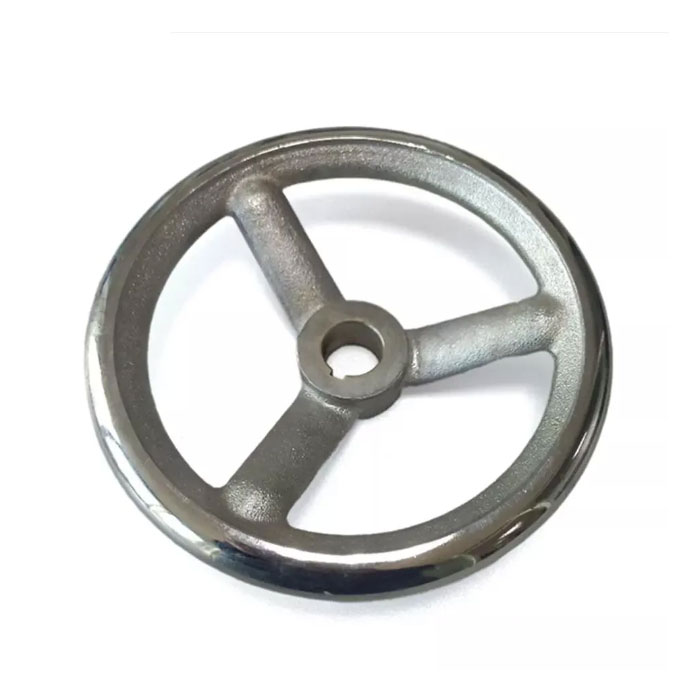
A Stainless Steel Boat Steering Wheel is one of the most visually striking and durable upgrades you can make to your vessel. It projects strength, resists corrosion better than most metals, and delivers a solid, premium feel that captains appreciate. However, "stainless" does not mean "stain-proof"—especially in the harsh marine environment. Salt spray, humidity, galvanic corrosion, and even simple finger oils can degrade the protective oxide layer over time. Without a disciplined maintenance routine, your beautiful wheel can develop pitting, surface rust, and discoloration. This guide lays out a professional, step-by-step protocol to keep your Stainless Steel Boat Steering Wheel in showroom condition for decades, with recommended products and techniques trusted by experienced boatyards. For owners who demand the highest grade of fabrication, Supreme offers marine-grade 316 stainless wheels that respond exceptionally well to proper care.
Why Marine-Grade Stainless Still Needs Care
Most quality wheels use 316 or 304 stainless steel. Grade 316 contains molybdenum, which improves chloride resistance, but even this alloy relies on a passive chromium-oxide film for protection. When this film is compromised by chlorides (salt), abrasives, or embedded iron particles from tools or dock debris, oxidation begins. The difference between a neglected wheel and a well-maintained one is not the brand—it is the routine. Supreme wheels are precision-polished to a mirror finish, which reduces microscopic crevices where salt can lodge, but regular cleaning remains non-negotiable.
The Professional 5‑Step Cleaning & Maintenance Protocol
| Step | Action | Frequency | Recommended Product / Tool |
|---|---|---|---|
| 1 | Freshwater rinse with low-pressure flow | After every use | Dock hose with spray nozzle |
| 2 | Mild detergent wash with soft microfiber | Weekly | pH‑neutral boat soap (e.g., Star brite) |
| 3 | Decontamination (iron/rust particle removal) | Monthly | Chemical rust remover (oxalic acid based) or clay bar |
| 4 | Passive oxide layer restoration | Quarterly | Citric acid passivation gel or marine metal polish |
| 5 | Protective sealant / wax coating | Bi‑annually | Collinite Metal Wax or ceramic coating for marine use |
Detailed Execution for Each Step
Step 1 – Rinse Before Wiping
Never wipe a dry Stainless Steel Boat Steering Wheel with a cloth. Salt crystals are abrasive and will scratch the surface. Rinse thoroughly with fresh water, rotating the wheel to flush the hub, spoke joints, and the underside of the rim. For wheels with a knurled grip, direct the stream into each groove.
Step 2 – Wash with Non‑Ionic Soap
Use a dedicated marine wash that does not contain chlorides or ammonia. Apply with a soft microfiber mitt—never Scotch‑Brite or steel wool, which can embed ferrous particles. Work in straight lines (not circles) to avoid swirl marks. Rinse again and dry immediately with a clean, lint‑free towel to prevent water spots.
Step 3 – Remove Embedded Contaminants
After weeks of use, microscopic iron particles from nearby steel fittings or tools land on the wheel. These create tiny galvanic cells that trigger rust. Spray a marine rust remover (oxalic acid) onto a damp cloth, wipe the entire Stainless Steel Boat Steering Wheel, let it sit for 3–5 minutes, then rinse. Alternatively, use a fine clay bar with lubricant—this pulls out contaminants without removing base metal.
Step 4 – Restore the Passive Layer
Over time, the chromium-oxide layer thins. Apply a citric-acid-based passivation gel (available from marine suppliers) evenly over the wheel, leave for 15–20 minutes, then rinse copiously. This chemically rebuilds the protective film. For wheels with a polished finish, follow with a high‑quality metal polish—Supreme recommends a non‑abrasive, silicone‑free polish to preserve the original luster.
Step 5 – Seal and Protect
A marine-grade wax or ceramic coating creates a hydrophobic barrier that repels saltwater and makes subsequent cleaning easier. Apply two thin coats, buffing between layers. This step reduces cleaning frequency by up to 40% in saltwater use.
Critical “Do Nots” for Long‑Term Care
| Mistake | Consequence | Correct Alternative |
|---|---|---|
| Using bleach or hydrochloric acid | Pitting and intergranular corrosion | pH‑neutral marine soap |
| Wiping with paper towels or rags | Micro‑scratches that trap salt | Microfiber cloths only |
| Overtightening hub set screws | Stress cracking around the hub | Torque to spec with anti‑seize |
| Leaving wheel cover wet underneath | Trapped moisture accelerates crevice corrosion | Remove cover after rain or dew |
Stainless Steel Boat Steering Wheel FAQ – Common Questions from Marine Professionals
Q1: How often should I fully passivate my Stainless Steel Boat Steering Wheel if I boat exclusively in saltwater?
A: In high‑salinity environments (e.g., coastal ocean or Gulf waters), full chemical passivation should be performed every 3 months. However, you can extend the interval to 4–5 months if you combine monthly decontamination with a ceramic sealant. The key indicator is the “water break test”—after rinsing, if water does not sheet evenly and instead beads in irregular patches, the passive layer is compromised and passivation is overdue. For owners using Supreme wheels with electropolished surfaces, the smoother finish retains passivation longer, but saltwater still demands strict quarterly scheduling.
Q2: Can I use automotive chrome polish on my Stainless Steel Boat Steering Wheel?
A: Generally, no. Most automotive chrome polishes contain ammonia or harsh abrasives designed for plated surfaces, not solid stainless. These can strip the chromium-oxide layer and leave a dull, etched appearance. Instead, use a polish explicitly labeled for marine stainless steel—look for ingredients like aluminum oxide in a fine suspension or a proprietary non‑abrasive formula. Supreme tests its wheels with pH‑neutral, marine‑grade polishes only. If you already own automotive polish, check the label for “safe for bare stainless” and perform a spot test on the back of a spoke before using it on the visible rim.
Q3: What is the best way to remove existing orange rust stains without scratching my Stainless Steel Boat Steering Wheel?
A: Orange surface rust (flash rust) is usually superficial and does not indicate structural failure. The safest method is a soft nylon bristle brush (never brass or steel) combined with a paste made of baking soda and distilled water—apply, let sit for 10 minutes, then gently scrub along the grain. Rinse thoroughly. For stubborn stains, use a commercial rust remover containing oxalic or phosphoric acid, applying it with a sponge, not an abrasive pad. After removal, immediately passivate and wax that area. Never use sandpaper or a wire wheel—those permanently alter the surface finish. Supreme offers a complementary care guide with every wheel purchase, detailing acid concentrations safe for mirror‑polished finishes.
Seasonal Storage Considerations
Before winter layup or long periods of non‑use, give your Stainless Steel Boat Steering Wheel an extra‑thorough cleaning and a heavy coat of sealant. Remove the wheel if possible (mark the hub alignment) and store it in a dry, temperature‑stable cabin. If removal is impractical, cover it with a breathable canvas cover—never plastic, which traps condensation. Inspect set screws and the keyway for any rust bleeding; clean these with a small brass brush and apply marine‑grade anti‑seize compound before reinstallation in spring.
Long‑Term Value of Consistent Care
A well‑maintained Stainless Steel Boat Steering Wheel not only enhances helm aesthetics but also preserves resale value. Surveyors and buyers notice pitting immediately—it signals neglect across the entire vessel. Conversely, a gleaming, faultless wheel suggests meticulous ownership. With Supreme, every wheel is CNC‑machined from certified 316 stainless and hand‑finished, but even the best metallurgy depends on the captain’s follow‑through. The 15 minutes you spend after each outing will save you hours of restoration work later.
Contact Us
We hope this professional maintenance guide gives you the confidence to protect your investment for years of reliable service. Every Supreme product is backed by technical support from marine engineers who understand real‑world conditions. If you have specific questions about your helm configuration, passivation products, or which Supreme Stainless Steel Boat Steering Wheel model suits your boat best, do not hesitate to reach out. Contact us today via our website contact form or call our marine support line—we reply within one business day and are happy to provide tailored recommendations, torque specs, and cleaning product referrals. Your wheel deserves nothing less than Supreme expertise.