How Do You Lubricate and Maintain a Pillow Block Housing Properly
2026-10-19
Proper lubrication and maintenance of a Pillow Block Housing directly determine bearing life, machine uptime, and overall operating cost. At BMT, we see countless premature failures that trace back to incorrect grease selection, over-lubrication, or missed inspection intervals. This guide shares the field-proven practices our engineers recommend for keeping Pillow Block Housing units running smoothly in demanding industrial environments.
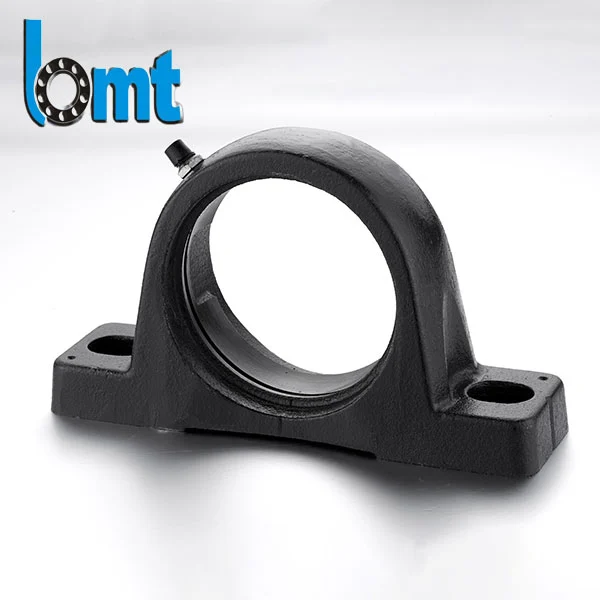
Why Lubrication Matters in a Pillow Block Housing
The Pillow Block Housing supports the bearing, seals it from contamination, and helps dissipate heat. Inside, the lubricant film separates rolling elements from raceways. Once that film breaks down, metal-to-metal contact accelerates wear, raises temperature, and shortens service life dramatically.
Step-by-Step Lubrication Procedure
Follow this sequence for consistent, repeatable results:
-
Clean the grease fitting and surrounding area before connecting any grease gun.
-
Identify the correct lubricant specified for the bearing and operating conditions.
-
Apply grease slowly while the shaft rotates at low speed, allowing old grease to purge.
-
Stop at the recommended volume — typically 30–50% of housing free space.
-
Wipe away excess grease and reseat the relief plug or seal.
-
Record the date, quantity, and lubricant type in your maintenance log.
Lubrication Interval Reference
| Operating Condition | Suggested Interval | Grease Type |
|---|---|---|
| Clean, moderate load, <60°C | 2,000–3,000 hours | Lithium complex NLGI 2 |
| Dusty or humid environment | 500–1,000 hours | Lithium complex NLGI 2 |
| High load or vibration | 300–500 hours | EP lithium NLGI 2 |
| High temperature (60–120°C) | 200–400 hours | Synthetic high-temp NLGI 2 |
| Washdown / food processing | Weekly inspection | Food-grade NLGI 2 |
Key Maintenance Checks
-
Alignment: Verify shaft and housing alignment with a dial indicator; misalignment is a leading cause of seal wear.
-
Seal condition: Inspect for cracks, hardening, or leakage at every service interval.
-
Fastener torque: Re-torque mounting bolts to specification after the first 100 hours and periodically thereafter.
-
Temperature and vibration: Trend readings monthly; a rise of 10°C or a vibration spike signals action.
-
Contamination control: Keep Pillow Block Housing breathers and seals clean; water ingress destroys lubricant fast.
Common Maintenance Mistakes to Avoid
| Mistake | Consequence | Correct Practice |
|---|---|---|
| Over-greasing | Seal blowout, heat buildup | Use relief port, measure volume |
| Mixing grease types | Incompatibility, hardening | Stick to one approved lubricant |
| Ignoring seal wear | Contamination, bearing failure | Replace seals proactively |
| Skipping alignment checks | Premature wear | Check at every major service |
Frequently Asked Questions
How often should a Pillow Block Housing be lubricated? Under normal conditions, relubricate every 2,000–3,000 hours; shorten intervals for dust, moisture, high load, or high temperature, and always follow the bearing manufacturer's specification.
What grease is best for a Pillow Block Housing? A lithium complex NLGI 2 grease suits most applications; use EP additives for high loads, synthetic high-temp grease above 60°C, and food-grade lubricant in washdown or food-processing areas.
Can over-greasing damage a Pillow Block Housing? Yes—excess grease raises internal pressure, can push out seals, trap heat, and cause bearing failure; always grease slowly with the shaft rotating and stop at the recommended fill level.
What are the signs a Pillow Block Housing needs maintenance? Unusual noise, vibration, rising temperature, grease leakage, hardened or cracked seals, and visible shaft misalignment all indicate immediate inspection is required.
How do you extend Pillow Block Housing service life? Combine correct lubricant selection, disciplined interval tracking, proper alignment, clean seals, and routine vibration and temperature monitoring to prevent failure before it starts.
Contact Us
Protect your rotating equipment with expert guidance from BMT. Our team can help you select the right Pillow Block Housing, define lubrication schedules, and build a maintenance plan tailored to your operating conditions. Contact us today to speak with a BMT application engineer and keep your production running reliably.