How Do You Clean and Maintain Heat Exchanger Parts Like Tubes and Plates
2025-12-19
Proper cleaning and maintenance of Heat Exchanger Parts are critical for ensuring operational efficiency, preventing costly downtime, and extending the equipment's service life. At HEC Machinery, we specialize in providing durable components and expert guidance to keep your systems running at peak performance. Neglecting this routine care can lead to significant fouling, corrosion, and a drastic drop in thermal efficiency.
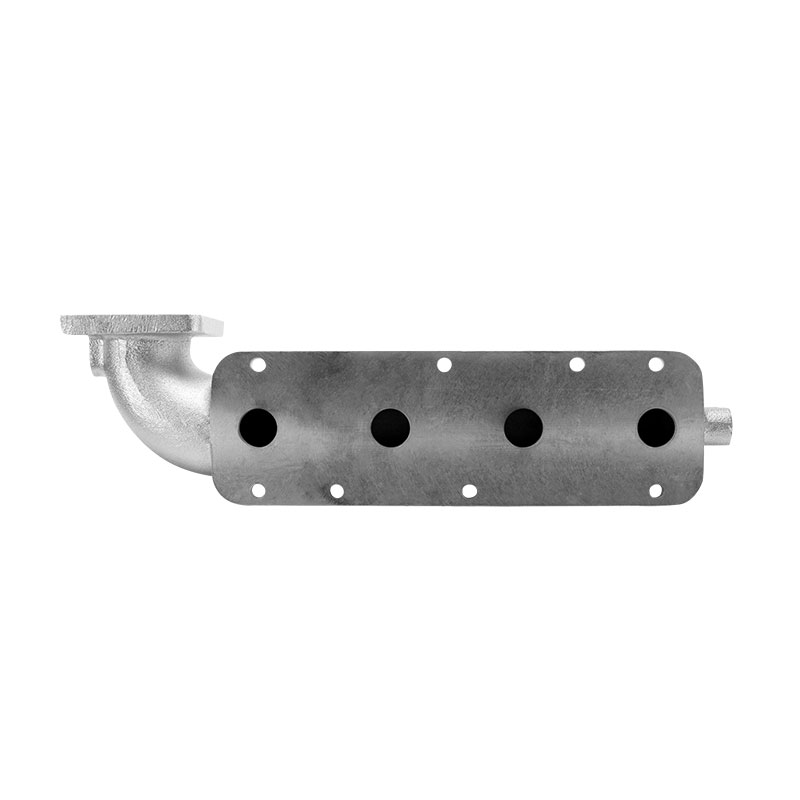
A systematic maintenance program is essential. Here is a standard procedure:
-
Isolation and Depressurization: Safely isolate the unit from the system and release all internal pressure.
-
Mechanical Cleaning: For tubes and plates, methods include:
-
Brushing: Using nylon or metal brushes for scale removal.
-
Hydro-Jetting: High-pressure water to dislodge soft deposits.
-
-
Chemical Cleaning (Circulation Cleaning): Circulating a descaling solution to dissolve stubborn limescale or chemical fouling.
-
Inspection & Reassembly: Thoroughly inspecting all Heat Exchanger Parts for wear or damage before reassembling with new HEC Machinery-certified gaskets.
For optimal performance, pairing the right cleaning method with superior parts is key. HEC Machinery components are engineered for durability and ease of maintenance.
| Part Name | Key Material & Feature from HEC Machinery | Recommended Cleaning Method |
|---|---|---|
| Heat Exchanger Tubes | Seamless 316L Stainless Steel, Enhanced Corrosion Resistance | Rotary brushing followed by high-pressure water rinse. |
| Heat Exchanger Plates | Pressed Titanium Plates with Anti-clogging Pattern | Chemical circulation cleaning with mild acid solution. |
| Gaskets & Seals | HNBR Elastomer for High-Temperature Stability | Replace during every maintenance cycle; clean seating surfaces. |
Heat Exchanger Parts FAQ
Q: How often should I clean my heat exchanger tubes and plates?
A: The frequency depends on the fluid medium. For clean water, inspect annually. For process fluids with scaling potential, cleaning every 3-6 months is advisable. Monitoring pressure drop is the best indicator for scheduling cleanings.
Q: Can I use any chemical cleaner on my plates?
A: No. Always consult the manufacturer. Using harsh chemicals can corrode plates and invalidate warranties. HEC Machinery provides approved cleaning agent recommendations based on your plate material and deposit type.
Q: What are the signs that my heat exchanger parts need immediate maintenance?
A: Key warning signs include a measurable decrease in heat transfer efficiency, a steady increase in pressure drop across the unit, visible leaks at gasket joints, or contaminated process fluid. These indicate fouled or compromised Heat Exchanger Parts.
Regular maintenance of your Heat Exchanger Parts is an investment in reliability. Using high-quality, compatible components from a trusted supplier like HEC Machinery ensures your procedures are effective and long-lasting. Our technical support team can help you develop a customized maintenance schedule.
Contact us today for a free consultation on your maintenance plan or to request a quote for genuine HEC Machinery replacement parts. Let our expertise maximize your heat exchanger's uptime and productivity.