

How Do You Choose Self Drilling Screw for Reliable Fastening Solutions?
2026-06-26
Abstract
Self drilling screws have become an essential fastening solution across construction, metal fabrication, HVAC systems, and industrial assembly applications. Unlike conventional screws, they eliminate the need for pre-drilling, improving installation efficiency and reducing labor costs. However, selecting the right type of self drilling screw is not always straightforward. Factors such as substrate thickness, coating type, load requirements, and environmental exposure all play a critical role in performance and durability. This article provides a comprehensive guide to understanding self drilling screws, their working principles, selection criteria, installation best practices, and common mistakes to avoid. It also highlights how Xinhan delivers dependable fastening solutions tailored to diverse engineering demands.
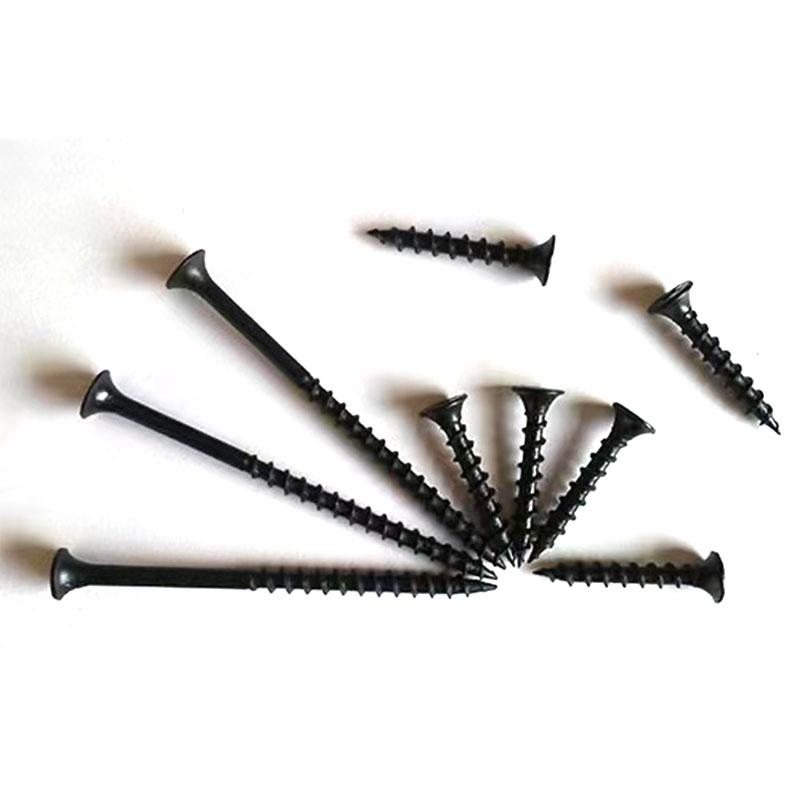
Table of Contents
- Understanding Self Drilling Screw
- How Self Drilling Screws Work
- Key Advantages in Industrial Applications
- Common Applications Across Industries
- How to Choose the Right Self Drilling Screw
- Installation Guidelines and Best Practices
- Common Problems and How to Avoid Them
- Why Xinhan Fasteners Stand Out
- Frequently Asked Questions
- Conclusion
Understanding Self Drilling Screw
A self drilling screw is a specialized fastener designed with a drill bit-shaped tip that enables it to penetrate materials without requiring a pilot hole. This unique design integrates drilling, tapping, and fastening into a single operation. It is widely used in metal-to-metal and metal-to-wood applications where speed and precision are essential.
The performance of a self drilling screw depends on several structural elements, including the drill point, thread geometry, shaft hardness, and coating technology. Manufacturers like Xinhan engineer these components to ensure consistent performance under varying load conditions and environmental stresses.
How Self Drilling Screws Work
Self drilling screws function through a three-step mechanical process integrated into a single fastening action. First, the drill point penetrates the material surface. Second, the threads cut and form a mating internal thread. Finally, the screw tightens and secures the materials together.
This eliminates the need for pre-drilling and significantly reduces installation time. The efficiency of this process makes self drilling screws highly valuable in large-scale industrial operations where productivity is a priority.
Key Advantages in Industrial Applications
Self drilling screws provide several advantages that make them indispensable in modern engineering projects:
- Time Efficiency: Eliminates pre-drilling, reducing installation steps.
- Cost Reduction: Minimizes labor and tool usage costs.
- Strong Holding Power: Ensures stable and durable fastening.
- Versatility: Suitable for steel, aluminum, wood, and composite materials.
- Corrosion Resistance: Available with protective coatings for harsh environments.
Xinhan designs its self drilling screw products to maximize these advantages, ensuring high reliability even in demanding structural applications.
Common Applications Across Industries
Self drilling screws are widely used across multiple industries due to their adaptability and performance stability. Key applications include:
- Steel structure construction and framing systems
- Roofing and cladding installations
- HVAC ductwork and ventilation systems
- Automotive assembly and body repair
- Electrical enclosures and panel fixing
- General industrial manufacturing
In each of these applications, Xinhan provides tailored fastening solutions that meet industry-specific requirements, ensuring consistent mechanical strength and safety.
How to Choose the Right Self Drilling Screw
Selecting the correct self drilling screw is critical for achieving long-term structural integrity. Poor selection can lead to material failure, corrosion, or loosening under vibration. The following factors should be carefully considered:
- Material Thickness: Choose drill point type based on substrate thickness.
- Material Type: Steel, aluminum, or composite materials require different thread designs.
- Coating Requirements: Zinc, epoxy, or ceramic coatings enhance corrosion resistance.
- Load Requirements: Heavy-duty applications require higher tensile strength screws.
- Environmental Exposure: Outdoor or marine environments require anti-corrosion protection.
Xinhan offers a full range of self drilling screws designed to meet these varied requirements, helping customers avoid mismatches and performance issues.
Installation Guidelines and Best Practices
Proper installation is essential to ensure maximum performance of self drilling screws. Following correct procedures helps prevent stripping, misalignment, or premature failure.
- Use a compatible power tool with adjustable torque settings.
- Maintain perpendicular alignment during installation.
- Avoid over-tightening, which may damage threads or material.
- Select correct drill point type based on thickness.
- Ensure surface cleanliness before fastening.
Xinhan recommends standardized installation procedures to ensure consistent performance across all project environments.
Common Problems and How to Avoid Them
Despite their advantages, improper usage of self drilling screws can lead to several issues:
- Stripped Threads: Caused by excessive torque or incorrect drill point selection.
- Corrosion Damage: Results from inadequate coating for the environment.
- Loose Fastening: Occurs due to vibration or incorrect screw length.
- Material Cracking: Often caused by over-tightening or unsuitable screw type.
To avoid these problems, Xinhan emphasizes proper product selection and provides technical guidance for customers to ensure optimal performance.
Why Xinhan Fasteners Stand Out
Xinhan is committed to delivering high-quality fastening solutions that meet international standards. The company focuses on precision engineering, advanced coating technologies, and strict quality control processes.
By integrating research-driven design with practical industrial needs, Xinhan ensures that each self drilling screw offers superior durability, corrosion resistance, and installation efficiency. This makes Xinhan a trusted partner for global construction and manufacturing industries.
Frequently Asked Questions
1. What materials can self drilling screws be used on?
They are commonly used on steel, aluminum, wood, and composite panels depending on the screw design.
2. Do self drilling screws require pre-drilling?
No, they are designed to drill and fasten in a single operation.
3. Are they suitable for outdoor use?
Yes, especially when coated with corrosion-resistant materials such as zinc or epoxy.
4. How do I choose the correct screw length?
The screw length should be greater than the combined thickness of the materials being fastened.
5. Why choose Xinhan products?
Xinhan provides engineered fastening solutions with consistent quality, durability, and application support for various industries.
Conclusion
Self drilling screws are a critical innovation in modern fastening technology, offering efficiency, strength, and versatility across a wide range of applications. However, selecting the correct type requires careful consideration of material properties, environmental conditions, and load requirements. With its commitment to quality and engineering excellence, Xinhan delivers reliable self drilling screw solutions designed to meet global industrial demands.
For customized fastening solutions, technical consultation, and product inquiries, Xinhan is ready to support your projects with professional expertise. contact us today to learn more about how Xinhan can enhance your fastening performance.
