Modern electrical transmission systems depend on reliable infrastructure to ensure stable power delivery across cities, industries, and remote regions. Among the most critical components in overhead power networks are transmission line fittings. These hardware accessories support conductors, insulators, grounding systems, and tower connections while protecting the entire transmission structure from mechanical stress, environmental damage, and electrical faults.
In this article, Huixing Zhongdian (Beijing) Electric Co., Ltd. explains how transmission line fittings work, why they are essential for grid reliability, and how choosing the right fittings can reduce maintenance costs, extend service life, and improve operational safety.
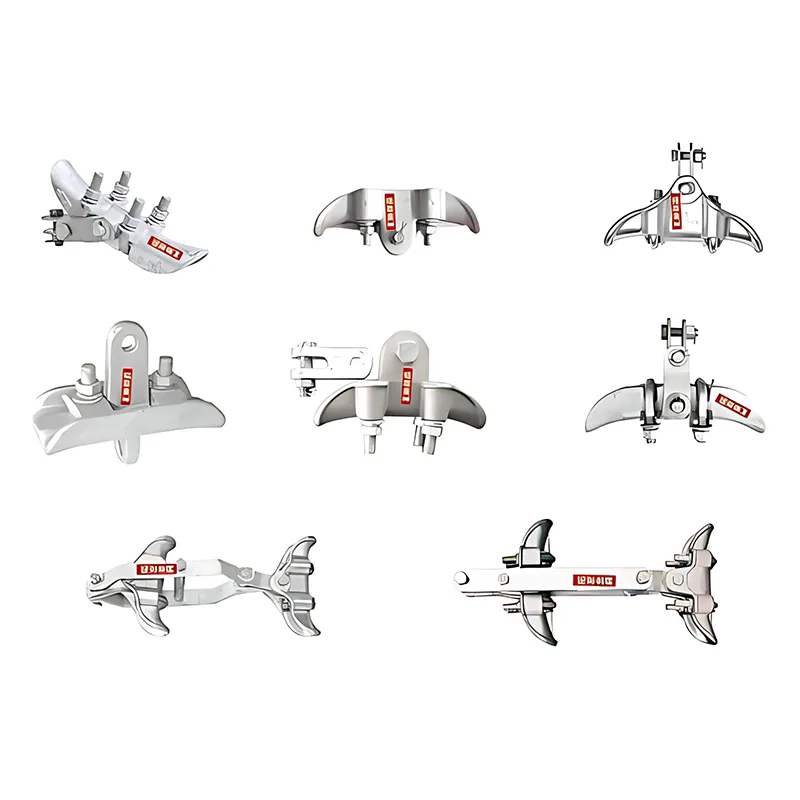
What Are Transmission Line Fittings?
Transmission line fittings are specialized hardware components used in overhead electrical transmission and distribution systems. They connect, support, suspend, tension, protect, and stabilize conductors and insulators installed on utility poles and transmission towers.
These fittings are essential in high-voltage and ultra-high-voltage power systems because they ensure mechanical stability and electrical continuity under demanding operating conditions such as:
-
Strong wind loads
-
Heavy rain and snow
-
Extreme temperatures
-
Ice accumulation
-
Short-circuit stress
-
Long-distance conductor tension
Without high-quality transmission line fittings, conductors may loosen, sag excessively, vibrate, or even fail completely, causing outages and costly maintenance interruptions.
Why Are Transmission Line Fittings Important?
Power utilities and engineering contractors face increasing pressure to maintain grid reliability while reducing operational costs. Transmission line fittings play a direct role in solving these challenges.
|
Function
|
Benefit
|
|
Mechanical Support
|
Maintains conductor stability under tension
|
|
Electrical Connection
|
Ensures continuous current transmission
|
|
Vibration Protection
|
Reduces conductor fatigue and damage
|
|
Insulation Coordination
|
Prevents electrical flashover risks
|
|
Corrosion Resistance
|
Extends service life in harsh environments
|
|
Load Distribution
|
Improves tower structural safety
|
Properly designed fittings can significantly reduce emergency repairs and improve long-term system reliability. Utilities operating in coastal, industrial, desert, or mountainous environments especially depend on durable fittings to avoid premature failures.
Main Types of Transmission Line Fittings
Different sections of a transmission system require different hardware configurations. Below are the most common categories of transmission line fittings used in modern power infrastructure.
Suspension Fittings
Suspension fittings are used to support conductors while allowing limited movement caused by wind or thermal expansion. These fittings are commonly installed on straight-line tower sections.
-
Suspension clamps
-
Clevises
-
Socket tongue fittings
-
Yoke plates
They help distribute mechanical loads evenly while minimizing conductor stress concentration.
Tension Fittings
Tension fittings are installed at dead-end towers, corner towers, or locations where conductor tension must be controlled carefully.
-
Strain clamps
-
Dead-end fittings
-
Anchor shackles
-
Tension connectors
These components are designed to withstand substantial pulling forces without deformation or slippage.
Protective Fittings
Protective fittings improve conductor lifespan and reduce damage caused by environmental or electrical stress.
-
Armor rods
-
Spacer dampers
-
Vibration dampers
-
Corona rings
In high-voltage systems, vibration protection is particularly important because continuous oscillation can weaken conductors over time.
Connection Fittings
Connection fittings join conductors, insulators, and hardware assemblies together.
-
Ball eyes
-
Eye bolts
-
Parallel groove clamps
-
Link fittings
Reliable electrical connections are essential for minimizing resistance and preventing overheating.
Common Materials Used in Transmission Line Fittings
Material selection directly affects the durability and performance of transmission line hardware. Manufacturers typically choose materials based on environmental exposure, mechanical requirements, and electrical conductivity.
|
Material
|
Advantages
|
Typical Application
|
|
Hot-Dip Galvanized Steel
|
High strength and corrosion resistance
|
Tension and suspension fittings
|
|
Aluminum Alloy
|
Lightweight and conductive
|
Connector fittings
|
|
Ductile Iron
|
Excellent mechanical toughness
|
Heavy-duty hardware
|
|
Stainless Steel
|
Superior corrosion protection
|
Coastal or chemical environments
|
High-quality galvanization and precision manufacturing are essential for ensuring long-term performance in demanding outdoor conditions.
How to Choose the Right Transmission Line Fittings
Many utility companies experience premature fitting failures because of improper product selection. Choosing the correct transmission line fittings requires evaluating several technical factors.
Consider Voltage Level
Higher voltage systems require fittings with stronger insulation coordination and corona control performance.
Evaluate Environmental Conditions
Areas with high humidity, salt spray, pollution, or severe temperature changes demand enhanced corrosion-resistant materials and protective coatings.
Check Mechanical Load Requirements
Fittings must withstand conductor tension, wind pressure, and ice loading without cracking or permanent deformation.
Verify Standards Compliance
Reliable suppliers manufacture fittings according to recognized international standards to ensure product consistency and safety.
Choose an Experienced Manufacturer
Working with a professional manufacturer like Huixing Zhongdian (Beijing) Electric Co., Ltd. helps buyers reduce quality risks while ensuring technical support and stable supply capability.
You can explore more product information here: Transmission Line Fittings Product Page
Common Problems and Solutions
Even durable transmission hardware can experience problems when exposed to long-term environmental stress or improper installation.
|
Problem
|
Possible Cause
|
Recommended Solution
|
|
Corrosion
|
Poor coating or harsh environment
|
Use hot-dip galvanized or stainless materials
|
|
Conductor Slippage
|
Improper clamp selection
|
Use correct tension fittings
|
|
Hardware Cracking
|
Excessive mechanical load
|
Upgrade fitting strength rating
|
|
Vibration Damage
|
Wind-induced oscillation
|
Install vibration dampers
|
|
Electrical Heating
|
Poor contact resistance
|
Improve connector quality and installation
|
Maintenance Tips for Long-Term Performance
Preventive maintenance is essential for maximizing the service life of transmission line fittings.
-
Conduct routine visual inspections
-
Monitor corrosion and coating damage
-
Check for loose bolts and connectors
-
Inspect vibration dampers regularly
-
Replace worn or damaged hardware promptly
-
Perform thermal imaging inspections for hot spots
Utility companies that implement regular inspection programs can reduce unexpected outages and avoid expensive emergency repairs.
Future Trends in Transmission Line Hardware
As global electricity demand continues to grow, transmission systems are becoming more advanced and technically demanding.
Emerging trends in transmission line fittings include:
-
Lightweight high-strength composite materials
-
Advanced anti-corrosion coatings
-
Smart monitoring sensors integrated into fittings
-
Improved vibration control technology
-
Higher performance hardware for ultra-high-voltage grids
Manufacturers are increasingly focused on improving reliability, reducing installation complexity, and extending equipment lifespan under severe environmental conditions.
FAQ
What is the service life of transmission line fittings?
High-quality transmission line fittings can typically operate for 20 to 40 years depending on environmental conditions, installation quality, and maintenance practices.
Why is galvanization important?
Hot-dip galvanization protects steel fittings from corrosion, especially in humid, coastal, or industrial environments where rust can shorten hardware lifespan.
Can transmission line fittings reduce power outages?
Yes. Proper fittings improve conductor stability, reduce mechanical failures, and minimize electrical connection problems that may lead to outages.
What industries use transmission line fittings?
Transmission line fittings are widely used in power utilities, renewable energy projects, railway electrification systems, industrial substations, and infrastructure construction.
How do I select a reliable supplier?
Buyers should evaluate manufacturing experience, product certifications, production capacity, quality control systems, and technical support capabilities before selecting a supplier.


