How Do Transmission Line Fittings Ensure Reliable Power Transmission Systems?
2026-08-11
Article Summary:
Transmission Line Fittings are essential components that maintain the mechanical strength, electrical reliability, and long-term stability of overhead power transmission networks. These precision-engineered accessories connect conductors, insulators, and transmission towers while helping power systems withstand environmental stress, vibration, and heavy mechanical loads. This article explains the working principles, major types, applications, selection considerations, and maintenance strategies of Transmission Line Fittings to help engineers, contractors, and power project managers make informed decisions.
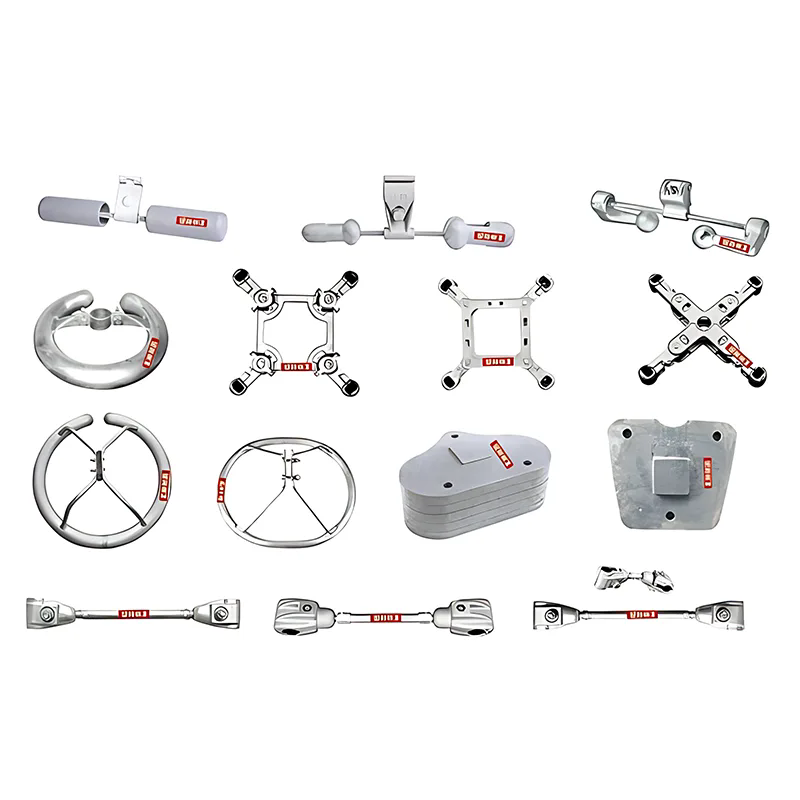
Table of Contents
- 1. What Are Transmission Line Fittings and Why Are They Important?
- 2. How Do Transmission Line Fittings Work?
- 3. What Types of Transmission Line Fittings Are Commonly Used?
- 4. How to Choose Suitable Transmission Line Fittings for Projects?
- 5. What Advantages Do High-Quality Transmission Line Fittings Provide?
- 6. Where Are Transmission Line Fittings Applied?
- 7. How Can Transmission Line Fittings Improve System Reliability?
- 8. Frequently Asked Questions About Transmission Line Fittings
1. What Are Transmission Line Fittings and Why Are They Important?
Modern power transmission networks require more than conductors and towers to operate safely. Behind every stable overhead transmission line is a complete set of supporting components designed to connect, secure, and protect different parts of the system. These components are known as Transmission Line Fittings.
Transmission Line Fittings are mechanical and electrical accessories installed on overhead transmission lines. They are responsible for connecting conductors with insulator strings, fixing grounding wires, supporting cables, and transferring mechanical loads between different structures.
During daily operation, transmission lines experience continuous stress caused by wind pressure, temperature changes, conductor weight, short-circuit forces, and vibration. Without reliable fittings, even high-quality conductors and towers may suffer from connection failures, conductor damage, or unexpected power interruptions.
Huixing Zhongdian (Beijing) Electric Co., Ltd. provides professional power equipment solutions and transmission line components designed for dependable operation in various power infrastructure projects. The company focuses on delivering reliable products that meet different engineering requirements while supporting global power system development.
2. How Do Transmission Line Fittings Work?
The main function of Transmission Line Fittings is to create secure mechanical and electrical connections throughout the transmission network. Although these components are small compared with towers and conductors, their role is critical for overall system performance.
A typical overhead transmission system contains multiple connection points. Transmission Line Fittings work by distributing mechanical stress, maintaining proper conductor positioning, and ensuring stable electrical contact.
| Function | Description |
|---|---|
| Mechanical Connection | Connect conductors, insulators, and towers while supporting weight and tension loads. |
| Electrical Connection | Maintain stable current flow and reduce connection resistance. |
| Protection Function | Reduce damage caused by vibration, corrosion, and environmental conditions. |
| Installation Support | Enable easier assembly, adjustment, and maintenance of transmission systems. |
For example, when conductors are installed between transmission towers, fittings such as suspension components and strain components help maintain conductor position. They also prevent excessive movement caused by wind or temperature expansion.
3. What Types of Transmission Line Fittings Are Commonly Used?
Different transmission projects require different fitting structures according to voltage level, conductor type, installation environment, and mechanical requirements.
| Type | Main Function | Typical Application |
|---|---|---|
| Suspension Fittings | Support conductors and maintain proper hanging position. | Straight sections of overhead transmission lines. |
| Strain Fittings | Handle high mechanical tension forces. | Angle towers, terminal towers, and crossing sections. |
| Link Fittings | Connect insulator strings and structural components. | Transmission tower assembly systems. |
| Ground Wire Fittings | Secure grounding conductors. | Lightning protection systems. |
| Connector Fittings | Join different conductor sections. | Power line extension and maintenance projects. |
Among these categories, link fittings play an important role in connecting insulators with transmission structures. They are designed with accurate dimensions to ensure proper matching and stable load transfer.
Huixing Zhongdian (Beijing) Electric Co., Ltd. supplies various transmission line products that support overhead power networks, including connection components designed for reliable installation and long service life.
4. How to Choose Suitable Transmission Line Fittings for Projects?
Selecting suitable Transmission Line Fittings requires careful consideration of technical requirements and operating conditions. Incorrect selection may result in reduced service life, increased maintenance costs, or system reliability problems.
- Voltage Level: Different voltage systems require fittings with suitable electrical performance and insulation coordination.
- Mechanical Load: Products must withstand conductor weight, tension forces, and environmental pressure.
- Material Quality: High-strength materials help improve durability and corrosion resistance.
- Environmental Conditions: Coastal, industrial, and high-altitude areas require specialized protection.
- Compatibility: Fittings should match conductor specifications and existing transmission structures.
Professional manufacturers usually evaluate project drawings, installation requirements, and operating environments before recommending suitable solutions.
5. What Advantages Do High-Quality Transmission Line Fittings Provide?
High-performance Transmission Line Fittings provide significant benefits for power utilities, EPC contractors, and infrastructure developers.
| Advantage | Benefit |
|---|---|
| High Mechanical Strength | Ensures stable operation under heavy loads and extreme weather conditions. |
| Excellent Corrosion Resistance | Extends service life in outdoor environments. |
| Accurate Manufacturing | Improves installation efficiency and connection reliability. |
| Low Maintenance Requirement | Reduces operational costs throughout the project lifecycle. |
Reliable fittings also help reduce unexpected outages caused by loose connections, conductor movement, or structural failures.
6. Where Are Transmission Line Fittings Applied?
Transmission Line Fittings are widely used in various electrical infrastructure projects, including:
- High-voltage overhead transmission lines
- Urban and rural power grid construction
- Renewable energy transmission projects
- Substation connection systems
- Industrial power supply networks
- Long-distance electricity transmission projects
As renewable energy projects continue expanding, reliable transmission components have become increasingly important. Wind farms, solar power stations, and other energy facilities depend on stable transmission systems to deliver generated electricity efficiently.
7. How Can Transmission Line Fittings Improve System Reliability?
Regular inspection and proper maintenance are important for maximizing the service life of transmission components. Although quality fittings are designed for long-term outdoor operation, periodic checks can identify potential problems before failures occur.
| Inspection Item | Purpose |
|---|---|
| Surface Condition | Check corrosion, cracks, or abnormal wear. |
| Connection Tightness | Prevent loosening caused by vibration. |
| Mechanical Deformation | Ensure components maintain original strength. |
| Installation Position | Confirm correct alignment and load distribution. |
Using properly manufactured fittings from experienced suppliers can greatly reduce maintenance challenges and improve the reliability of transmission networks.
8. Frequently Asked Questions About Transmission Line Fittings
Q1: What is the main purpose of Transmission Line Fittings?
Transmission Line Fittings connect and support different parts of overhead power systems. They provide mechanical strength, electrical connection, and structural stability.
Q2: What materials are commonly used for Transmission Line Fittings?
Common materials include galvanized steel, aluminum alloys, and other high-strength metals selected according to load requirements and environmental conditions.
Q3: How long can Transmission Line Fittings operate?
Service life depends on material quality, installation conditions, environmental exposure, and maintenance practices. High-quality products can provide reliable operation for many years.
Q4: Why should companies choose professional Transmission Line Fittings manufacturers?
Professional manufacturers provide better product consistency, technical support, customization capability, and quality control to ensure project reliability.
Q5: Can Transmission Line Fittings be customized?
Yes. Many manufacturers provide customized solutions according to engineering drawings, conductor specifications, and project requirements.
Conclusion
Transmission Line Fittings are essential elements that ensure safe, stable, and efficient operation of modern power transmission systems. From supporting conductors to connecting structural components, these small but critical parts directly influence network reliability.
Choosing dependable products, suitable designs, and experienced suppliers helps reduce maintenance risks and improves the long-term performance of power infrastructure. Huixing Zhongdian (Beijing) Electric Co., Ltd. continues to provide reliable transmission solutions for customers worldwide with professional manufacturing capabilities and comprehensive power industry experience.
If you are looking for durable Transmission Line Fittings with reliable performance and professional technical support, please contact us today for customized solutions and project assistance.