How Do Timber Anchors Ensure Secure Structural Connections?
2026-03-11
Article Summary
Timber anchors play a critical role in modern construction by securely connecting wooden structural elements to concrete, steel, or other wooden components. These connectors help transfer loads, resist environmental stress, and improve the stability of buildings such as decks, pergolas, timber frames, and industrial structures. This article explains how timber anchors work, their main types, installation principles, and how to select the right anchor for different projects. It also explores common customer challenges—such as load capacity, corrosion resistance, and installation accuracy—and provides practical solutions for achieving reliable structural performance.
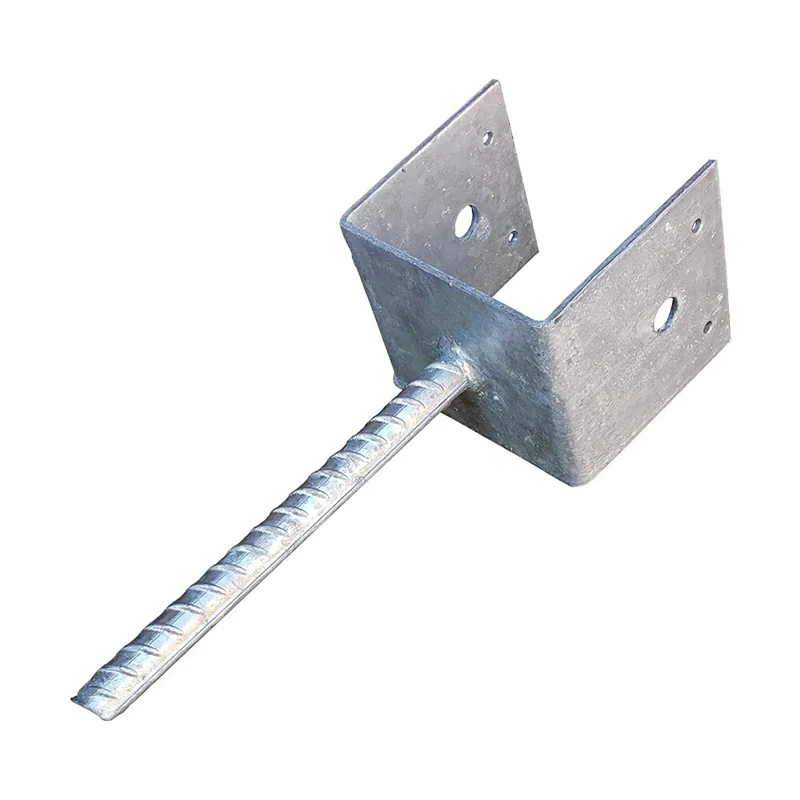
Table of Contents
- 1. Understanding Timber Anchors
- 2. Why Timber Anchors Are Essential in Construction
- 3. Types of Timber Anchors
- 4. How Timber Anchors Work
- 5. Key Technical Parameters
- 6. How to Choose the Right Timber Anchor
- 7. Installation Process and Best Practices
- 8. Common Problems and Solutions
- 9. FAQ
1. Understanding Timber Anchors
Timber anchors are mechanical fasteners designed to connect wooden structures to other materials such as concrete foundations, steel supports, or additional timber components. Their primary purpose is to maintain structural stability by transferring loads between connected elements. In construction systems, these anchors serve as critical connectors that hold beams, columns, and posts firmly in place.
A wood or timber anchor functions as a fastening device that creates a stable connection between wooden elements or between wood and other materials, ensuring durability and structural integrity in construction applications. :contentReference[oaicite:0]{index=0}
These anchors are widely used in building frameworks, outdoor structures, furniture assembly, and infrastructure projects where reliable load transfer and safety are essential.
2. Why Timber Anchors Are Essential in Construction
Modern timber construction requires precise structural connections. Without proper anchoring systems, wooden components may shift, loosen, or fail under load conditions such as wind pressure, seismic activity, or heavy weight loads.
Main advantages of timber anchors include:
- Improved structural stability
- Reliable load transfer between components
- Resistance to uplift and lateral forces
- Durability in outdoor environments
- Compatibility with various building materials
In many timber construction projects, anchors are also used to attach beams or frames securely to concrete bases, ensuring safe performance even under high static or seismic loads. :contentReference[oaicite:1]{index=1}
3. Types of Timber Anchors
Timber anchors come in various designs depending on structural requirements and installation environments. The following table summarizes the most commonly used types.
| Anchor Type | Main Application | Key Features |
|---|---|---|
| Post Anchors | Connecting timber posts to concrete foundations | Strong base support and corrosion protection |
| T-Bar Anchors | Fixing beams and columns to concrete or steel | High load-bearing capacity and optimized force transfer |
| Screw Anchors | Timber-to-concrete fastening | Fast installation and high tension resistance |
| Expansion Anchors | Heavy-duty structural applications | Strong grip inside concrete |
For example, T-bar anchors are widely used in timber construction to secure posts and beams to concrete foundations while effectively transferring compression, tension, and lateral forces. :contentReference[oaicite:2]{index=2}
4. How Timber Anchors Work
Timber anchors work by creating a mechanical connection that distributes forces between structural elements. The anchor typically penetrates or attaches to both the timber component and the base material.
The basic working principle involves three stages:
- Drilling or preparing a hole in the base material.
- Inserting the anchor into the hole or mounting bracket.
- Tightening or fixing the timber element to the anchor.
Once installed, the anchor transfers different types of structural loads:
- Tension loads – resisting pull-out forces
- Shear loads – resisting lateral movement
- Compression loads – supporting vertical weight
Through this force distribution, timber anchors ensure that wooden structures remain stable even under heavy mechanical stress.
5. Key Technical Parameters
Before selecting timber anchors, engineers and builders must consider several technical specifications.
| Parameter | Description |
|---|---|
| Load Capacity | Maximum weight or force the anchor can support |
| Material | Usually stainless steel, galvanized steel, or alloy steel |
| Corrosion Resistance | Important for outdoor structures |
| Anchor Length | Determines penetration depth and stability |
| Installation Method | Expansion, screw-in, or embedded anchors |
Choosing anchors with appropriate specifications ensures long-term structural reliability and safety.
6. How to Choose the Right Timber Anchor
Selecting the correct timber anchor depends on multiple factors related to project requirements and environmental conditions.
Important selection criteria include:
- Type of structural connection
- Expected load conditions
- Environmental exposure (humidity, outdoor weather)
- Material compatibility
- Installation method
For example, outdoor decks and pergolas require corrosion-resistant anchors, while industrial buildings require heavy-duty anchors capable of supporting high loads.
Companies like S-SEN provide engineered timber anchor solutions designed to meet diverse construction needs while maintaining structural strength and installation efficiency.
7. Installation Process and Best Practices
Proper installation is crucial for achieving the full performance of timber anchors. Even high-quality anchors may fail if installed incorrectly.
Recommended installation steps:
- Measure and mark the anchor location.
- Drill holes according to anchor specifications.
- Clean the hole to remove debris.
- Insert the anchor and align the timber component.
- Tighten bolts or screws to the required torque.
To ensure safety and durability, installers should always follow manufacturer guidelines and verify structural load requirements before installation.
8. Common Problems and Solutions
| Problem | Possible Cause | Solution |
|---|---|---|
| Anchor loosening | Incorrect installation or insufficient torque | Reinstall and tighten according to specifications |
| Corrosion damage | Exposure to moisture | Use stainless steel or galvanized anchors |
| Structural instability | Incorrect anchor type or insufficient load capacity | Select anchors designed for heavy loads |
| Wood splitting | Improper drilling or oversized anchors | Use proper drill size and spacing |
FAQ
Q1: What materials are timber anchors usually made from?
Most timber anchors are manufactured from galvanized steel, stainless steel, or high-strength alloy steel to ensure durability and corrosion resistance.
Q2: Are timber anchors suitable for outdoor construction?
Yes. Many timber anchors are specifically designed for outdoor environments such as decks, pergolas, and garden structures. Corrosion-resistant coatings are typically applied for protection.
Q3: Can timber anchors support heavy structural loads?
Heavy-duty timber anchors are engineered to handle significant loads and can securely connect beams, posts, and frames to concrete foundations when properly installed.
Q4: How long do timber anchors last?
When installed correctly and used with appropriate materials, timber anchors can last for decades, especially when corrosion-resistant coatings are applied.
Conclusion
Timber anchors are essential components in modern construction, ensuring reliable connections between wooden structures and supporting materials. By understanding how they work, selecting the correct type, and following proper installation practices, builders can significantly improve the safety, durability, and stability of timber-based structures.
High-quality anchor systems are crucial for projects ranging from residential decks to large commercial timber buildings. With advanced engineering and durable materials, manufacturers such as S-SEN continue to provide reliable solutions for secure timber connections.
If you are looking for professional timber anchoring solutions or need technical guidance for your project, contact us today to explore the complete range of products and expert support available from S-SEN.