How Do Stamping Safety Hooks Improve Lifting Safety and Industrial Efficiency?
2026-03-13
Article Summary
Stamping safety hooks are widely used in lifting, rigging, transportation, and heavy-duty industrial environments. Their reliability directly affects operational safety and equipment efficiency. Many buyers and engineers face challenges such as selecting the correct material strength, ensuring load stability, and preventing accidental detachment during lifting operations. This article explains how stamping safety hooks function, what advantages stamping technology provides, and how businesses can select the most suitable hooks for their lifting systems. Practical selection guidelines, structural explanations, and technical parameters are included to help procurement managers, engineers, and distributors make informed decisions.
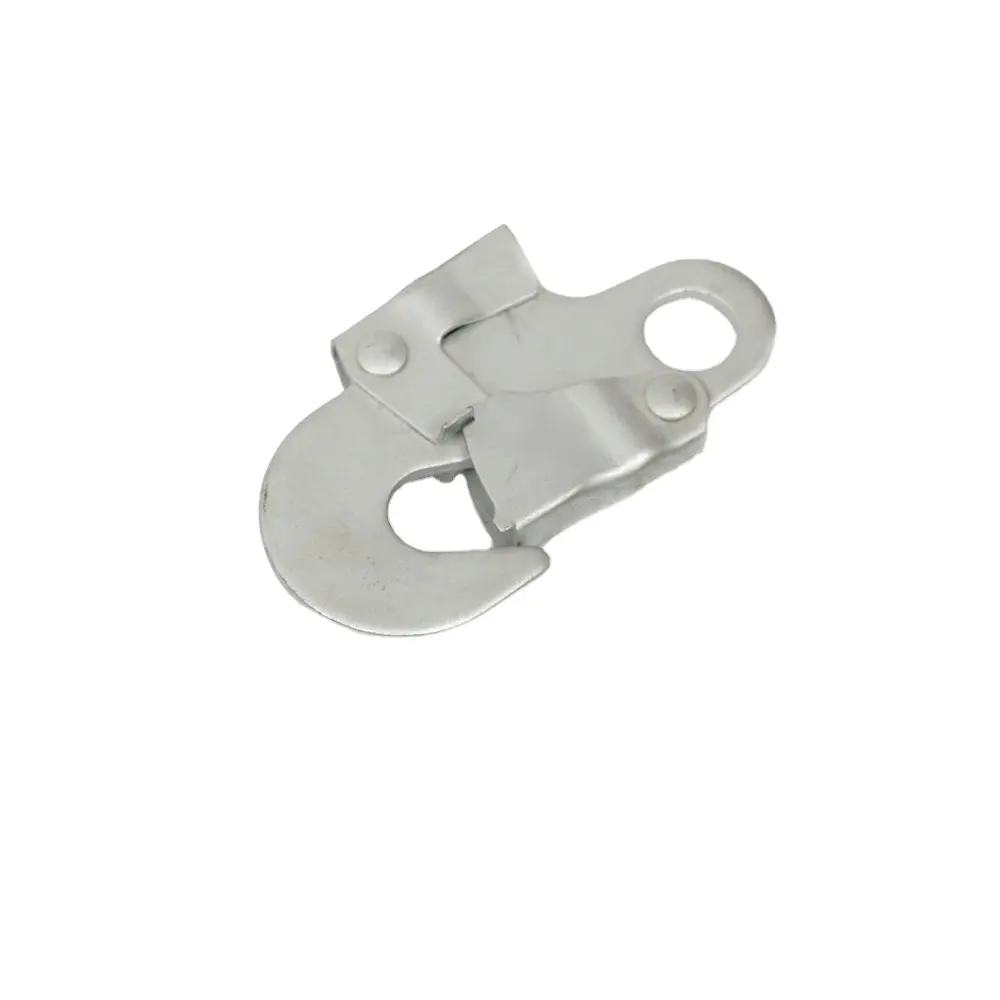
Table of Contents
- 1. Understanding Stamping Safety Hooks
- 2. Why Stamping Technology Matters in Hook Manufacturing
- 3. Structural Components of Stamping Safety Hooks
- 4. Typical Industrial Applications
- 5. Key Technical Parameters to Consider
- 6. Advantages Compared with Traditional Hooks
- 7. How to Choose the Right Stamping Safety Hook
- 8. Maintenance and Safety Best Practices
- 9. Frequently Asked Questions
- 10. Conclusion
Outline
- Introduction to safety hook technology
- Manufacturing principles of stamping hooks
- Industrial applications and lifting scenarios
- Key product specifications
- Selection strategies for buyers
- Maintenance and safety practices
- FAQ for procurement and engineering teams
1. Understanding Stamping Safety Hooks
Stamping safety hooks are mechanical lifting components manufactured through precision metal stamping processes. They are designed to secure chains, ropes, or slings during lifting operations while preventing accidental release. These hooks typically include a safety latch mechanism that automatically closes once the load is attached.
Unlike conventional forged hooks, stamping safety hooks are produced through high-precision stamping dies that shape steel plates into robust hook structures. This process enables consistent quality, accurate dimensions, and cost-efficient mass production.
Industries such as construction, logistics, shipping, and equipment manufacturing rely heavily on safety hooks to protect workers and ensure stable load handling.
2. Why Stamping Technology Matters in Hook Manufacturing
Stamping technology is a highly efficient metal forming method that involves shaping sheet metal using dies and high-pressure presses. When applied to hook manufacturing, this process offers several technical advantages.
Key manufacturing benefits include:
- High dimensional accuracy for reliable load alignment
- Consistent structural strength across production batches
- Lower production costs for large-volume manufacturing
- Smooth surfaces that reduce wear on lifting equipment
- Reduced material waste compared with traditional machining
These advantages allow manufacturers such as Jinggang to produce high-quality stamping safety hooks that meet strict industrial requirements for strength and durability.
3. Structural Components of Stamping Safety Hooks
Understanding the structural components of a stamping safety hook helps users evaluate product reliability and compatibility with lifting equipment.
| Component | Function | Description |
| Hook Body | Main load-bearing structure | Manufactured from high-strength steel to support heavy loads. |
| Safety Latch | Prevents accidental detachment | Automatically closes once a chain or sling is connected. |
| Connection Eye | Attachment point | Connects the hook to chains, lifting devices, or rigging systems. |
| Spring Mechanism | Latch control | Ensures the latch returns to the closed position after opening. |
| Surface Treatment | Corrosion resistance | Usually galvanized or coated to withstand outdoor conditions. |
The integration of these components allows the hook to provide both load support and safety assurance during lifting operations.
4. Typical Industrial Applications
Stamping safety hooks are used across multiple industries where lifting security and equipment reliability are essential.
- Construction material lifting
- Logistics cargo handling
- Marine and port loading operations
- Warehouse rigging systems
- Industrial machinery transportation
- Agricultural equipment handling
Their versatility and durability make them suitable for both light-duty and heavy-duty lifting scenarios.
5. Key Technical Parameters to Consider
When selecting stamping safety hooks, buyers must evaluate technical parameters to ensure compatibility with lifting systems.
| Parameter | Description | Typical Range |
| Material | Steel grade used in production | Carbon steel / alloy steel |
| Working Load Limit | Maximum safe lifting load | 0.5T – 10T |
| Hook Opening | Distance between hook tip and body | 20mm – 80mm |
| Surface Finish | Corrosion protection | Galvanized / powder coated |
| Safety Factor | Ratio of breaking load to working load | Typically 4:1 or higher |
Carefully reviewing these parameters ensures that the selected hook meets the mechanical and safety requirements of the intended application.
6. Advantages Compared with Traditional Hooks
Stamping safety hooks offer several operational advantages compared with traditional open hooks or simple forged hooks.
- Improved safety due to automatic latch mechanisms
- Consistent dimensional precision
- Higher production efficiency
- Lower procurement cost in bulk purchasing
- Better compatibility with modern lifting equipment
For industries where safety compliance is critical, these advantages significantly reduce operational risks.
7. How to Choose the Right Stamping Safety Hook
Choosing the correct stamping safety hook requires evaluating both operational requirements and product specifications.
Important selection factors include:
- Required load capacity
- Chain or sling compatibility
- Operating environment (indoor or outdoor)
- Corrosion resistance requirements
- Frequency of lifting operations
- Safety certification or testing standards
Professional manufacturers such as Jinggang typically provide customized solutions based on these factors to ensure safe and efficient lifting performance.
8. Maintenance and Safety Best Practices
Even high-quality hooks require routine inspection and maintenance to maintain operational safety.
- Inspect the hook body regularly for deformation or cracks
- Check the safety latch for proper spring tension
- Clean and lubricate moving components when necessary
- Avoid exceeding the rated working load limit
- Replace hooks that show excessive wear or corrosion
Proper maintenance extends product lifespan and prevents unexpected lifting failures.
9. Frequently Asked Questions
Q1: What makes stamping safety hooks safer than standard hooks?
Stamping safety hooks include a built-in safety latch that prevents lifting chains or slings from slipping out during operation. This design significantly reduces accidental load release.
Q2: Can stamping safety hooks be used in outdoor environments?
Yes. Many hooks are treated with galvanization or protective coatings to improve corrosion resistance, making them suitable for outdoor and marine applications.
Q3: How often should lifting hooks be inspected?
Hooks used in regular lifting operations should be inspected before each use and undergo a more thorough inspection at scheduled maintenance intervals.
Q4: Are stamped hooks strong enough for heavy-duty lifting?
When manufactured using high-strength steel and proper engineering standards, stamping safety hooks can safely support heavy industrial loads.
10. Conclusion
Stamping safety hooks play an essential role in modern lifting systems by improving operational safety, reliability, and efficiency. Their precision manufacturing, integrated safety latch mechanisms, and consistent structural strength make them a preferred solution for industries that depend on secure load handling.
With advanced production capabilities and strict quality control, Jinggang provides durable stamping safety hooks designed to meet the demands of industrial lifting applications. Choosing the right hook specification and maintaining proper inspection practices can significantly enhance workplace safety and operational productivity.
If you are looking for reliable lifting components or need professional guidance in selecting the right stamping safety hooks for your equipment, contact us today. Our technical team is ready to provide product details, customization options, and prompt support to help your business operate more safely and efficiently.