

How Do Stainless Steel Pipe Elbows Improve Pipeline Efficiency and Reliability?
2026-03-11
Article Summary
Stainless Steel Pipe Elbows are critical components in modern piping systems, allowing pipelines to change direction while maintaining efficient fluid flow. These fittings are widely used in industries such as oil and gas, chemical processing, food production, water treatment, and construction due to their durability, corrosion resistance, and structural strength.
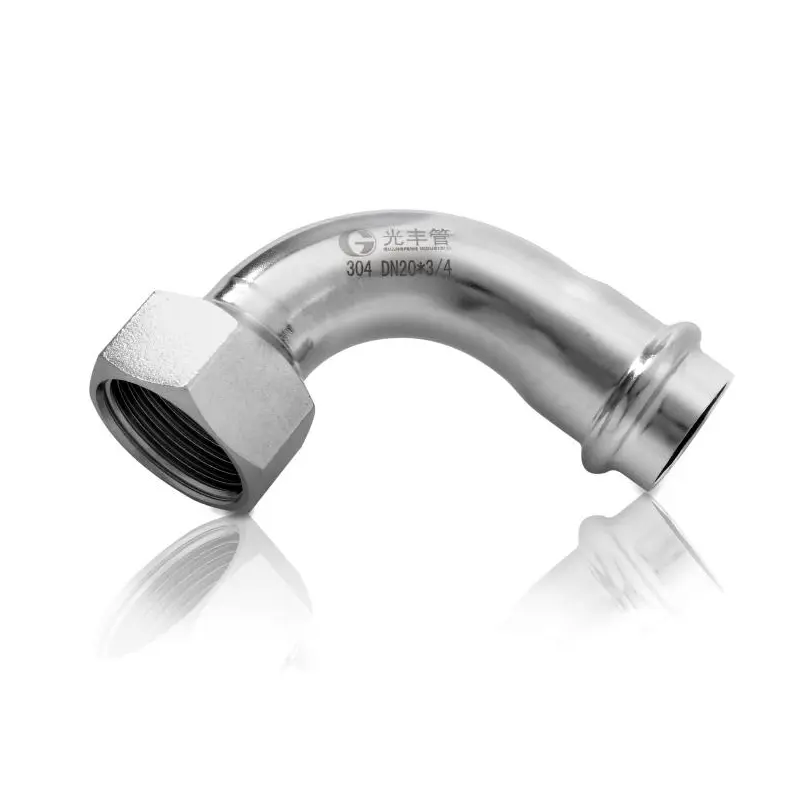
This article explains how stainless steel pipe elbows work, their main types, technical parameters, and how to select the right elbow for different pipeline systems. It also highlights practical considerations for installation, performance, and long-term maintenance to help engineers and buyers make informed decisions.
Table of Contents
- 1. What Are Stainless Steel Pipe Elbows?
- 2. How Stainless Steel Pipe Elbows Work in Pipeline Systems
- 3. Common Types of Stainless Steel Pipe Elbows
- 4. Key Technical Parameters of Stainless Steel Pipe Elbows
- 5. Advantages of Stainless Steel Pipe Elbows
- 6. Typical Industrial Applications
- 7. How to Choose the Right Stainless Steel Pipe Elbow
- 8. Frequently Asked Questions
Article Outline
- Definition and function of stainless steel pipe elbows
- Working principle in pipeline flow systems
- Types and structural classifications
- Technical specifications and parameters
- Performance advantages and durability
- Industrial applications and use cases
- Selection guide for engineers and buyers
- Frequently asked questions
1. What Are Stainless Steel Pipe Elbows?
Stainless Steel Pipe Elbows are pipe fittings designed to connect two sections of pipe while changing the direction of fluid flow. They are commonly manufactured with angles such as 45°, 90°, or 180°, allowing pipelines to navigate around structural obstacles or adjust flow direction within complex systems. :contentReference[oaicite:0]{index=0}
These elbows are typically produced from stainless steel grades such as 304 or 316, materials known for their corrosion resistance, strength, and long service life. :contentReference[oaicite:1]{index=1}
In most piping systems, elbows serve three key purposes:
- Changing pipeline direction
- Connecting pipe sections securely
- Maintaining consistent fluid flow
Because they must handle pressure, temperature fluctuations, and different types of media, stainless steel elbows are engineered to meet strict industrial standards.
2. How Stainless Steel Pipe Elbows Work in Pipeline Systems
The primary function of a stainless steel pipe elbow is to redirect fluid or gas flow within a pipeline network. Instead of forcing pipes to bend directly, elbows create a controlled directional change while maintaining structural integrity.
When fluid travels through a straight pipe and encounters an elbow, the internal curvature gradually redirects the flow. Properly designed elbows minimize turbulence and pressure loss, helping maintain efficient system performance. :contentReference[oaicite:2]{index=2}
The process works through several engineering principles:
- Smooth curvature: Reduces friction and turbulence.
- Optimized radius: Maintains stable velocity during directional change.
- Strong weld or threaded connection: Prevents leakage under pressure.
- Material stability: Stainless steel maintains performance under high temperature or corrosive environments.
By maintaining flow continuity and minimizing pressure drop, elbows help improve the overall efficiency of pipeline networks.
3. Common Types of Stainless Steel Pipe Elbows
Different pipeline systems require different elbow designs. Stainless steel pipe elbows are classified based on angle, radius, and connection method.
Elbow Types by Angle
| Type | Angle | Typical Application |
|---|---|---|
| 45° Elbow | 45 Degrees | Gradual directional changes |
| 90° Elbow | Right Angle | Most common pipeline turns |
| 180° Elbow | U-Turn | Flow reversal systems |
Elbow Types by Radius
- Long Radius Elbow (LR) – Radius equals 1.5 times the pipe diameter.
- Short Radius Elbow (SR) – Radius equals the pipe diameter.
Long radius elbows are preferred in high-flow systems because they reduce turbulence and energy loss.
4. Key Technical Parameters of Stainless Steel Pipe Elbows
Understanding the specifications of stainless steel pipe elbows is essential when selecting fittings for industrial pipelines.
| Parameter | Description |
|---|---|
| Material Grade | 304, 304L, 316, 316L stainless steel |
| Standard | ASME B16.9, MSS SP-43 |
| Angle | 45°, 90°, 180° |
| Diameter Range | ½ inch to 48 inches |
| Connection Type | Butt weld, threaded, socket weld, flange |
| Pressure Resistance | Suitable for high pressure systems |
| Temperature Range | Approx. -20°C to 232°C |
These parameters determine compatibility with pipeline design, pressure conditions, and operating environments.
5. Advantages of Stainless Steel Pipe Elbows
Stainless steel pipe elbows are widely used because of their outstanding mechanical and chemical properties.
- Excellent corrosion resistance – Suitable for chemical and marine environments.
- High temperature tolerance – Maintains structural strength under extreme heat.
- Long service life – Durable materials reduce replacement frequency.
- Smooth internal surface – Prevents scaling and improves fluid flow.
- Hygienic properties – Ideal for food and pharmaceutical industries.
These characteristics make stainless steel elbows essential in high-performance pipeline systems where reliability and safety are critical. :contentReference[oaicite:3]{index=3}
6. Typical Industrial Applications
Stainless steel pipe elbows are used in many industries due to their adaptability and durability.
- Oil and gas transportation pipelines
- Chemical processing plants
- Food and beverage production systems
- Pharmaceutical manufacturing facilities
- Water treatment and desalination plants
- HVAC and building water supply systems
- Shipbuilding and offshore platforms
These industries require pipeline components that can withstand corrosion, pressure, and continuous operation, making stainless steel elbows a reliable choice. :contentReference[oaicite:4]{index=4}
7. How to Choose the Right Stainless Steel Pipe Elbow
Selecting the appropriate elbow is crucial for system performance and safety.
Key Selection Factors
- Pipeline diameter – Ensure matching pipe size.
- Pressure rating – Choose elbows designed for system pressure.
- Material grade – 316 stainless steel is preferred for corrosive environments.
- Angle requirement – Determine whether 45°, 90°, or 180° is required.
- Connection method – Butt weld for high-pressure systems, threaded for smaller pipelines.
- Compliance standards – Ensure compatibility with ASME or international standards.
Working with experienced manufacturers such as Guangfeng can help ensure that elbows meet strict engineering specifications and project requirements.
For detailed product specifications and available models, you can explore the stainless steel elbow solutions provided by Guangfeng.
8. Frequently Asked Questions
What is the most commonly used stainless steel pipe elbow angle?
The 90-degree elbow is the most commonly used because it allows pipelines to make right-angle turns in compact spaces while maintaining flow efficiency.
What material grades are commonly used for stainless steel elbows?
The most common grades are 304 and 316 stainless steel. Grade 316 offers improved corrosion resistance, making it suitable for marine and chemical environments.
Do stainless steel pipe elbows reduce pressure loss?
Yes. High-quality elbows with smooth internal surfaces and optimized curvature help reduce turbulence and pressure drop within the pipeline.
Are stainless steel elbows suitable for food processing pipelines?
Yes. Stainless steel is non-reactive and hygienic, which makes it widely used in food and beverage processing systems.
Conclusion
Stainless Steel Pipe Elbows play a vital role in modern piping infrastructure. By enabling efficient directional changes, maintaining smooth fluid flow, and providing exceptional durability, they help ensure the safe and reliable operation of industrial pipeline systems.
High-quality elbows manufactured from corrosion-resistant stainless steel materials can significantly improve system efficiency while reducing maintenance costs and operational risks.
If you are looking for durable and precision-engineered stainless steel pipe elbows for industrial projects, Guangfeng offers reliable solutions designed to meet international standards and demanding operating conditions.
For product specifications, technical consultation, or bulk order inquiries, please contact us to learn how Guangfeng can support your pipeline system requirements with professional stainless steel pipe fitting solutions.
