Summary
Sintered metal bearings have become a cornerstone in modern machinery due to their superior wear resistance, self-lubricating properties, and long operational lifespan. This article explores how these bearings work, their advantages, maintenance tips, and why Zhejiang Top Bearings Co., Ltd. is a trusted supplier for industries worldwide.
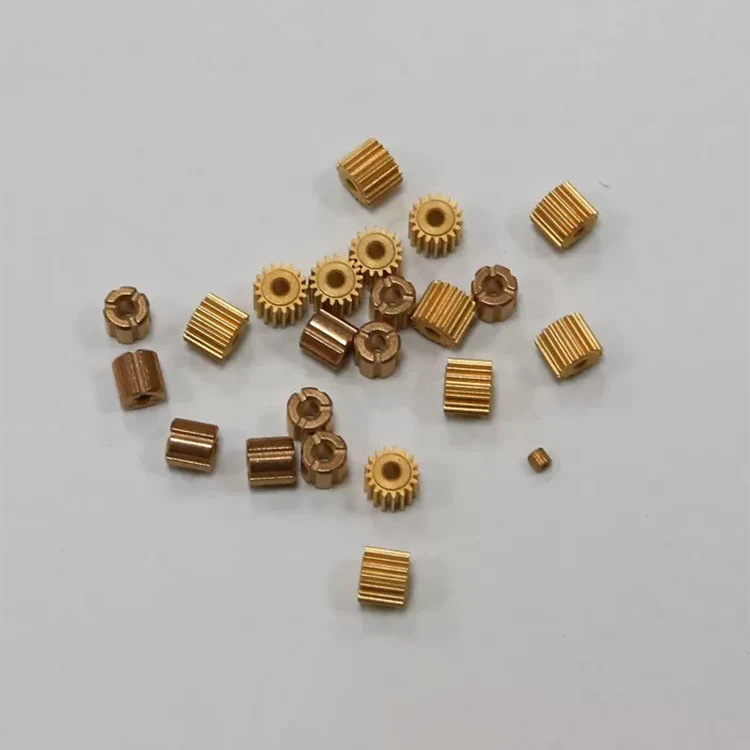
Table of Contents
What Are Sintered Metal Bearings?
Sintered metal bearings are created by compacting metal powders into a desired shape and then heating them below their melting point to form a solid piece. This process results in a porous structure that can hold lubricants within its matrix, giving the bearings self-lubricating properties. Unlike conventional bearings, sintered bearings reduce friction, withstand high loads, and perform reliably in harsh environments.
- Porosity: Allows lubrication retention and reduces wear.
- Durability: Handles high-speed rotations and heavy loads.
- Cost-efficiency: Manufactured with minimal machining requirements.
How Are They Made?
The manufacturing process of sintered metal bearings involves several critical steps:
- Powder Selection: High-quality metal powders, usually bronze or iron, are chosen.
- Compaction: Powders are pressed into molds at high pressure.
- Sintering: The compacted parts are heated below melting temperature, bonding particles together.
- Impregnation: Bearings are immersed in oil to enhance self-lubricating properties.
- Finishing: Dimensions are refined to meet precise tolerances.
This process ensures a consistent, long-lasting bearing that performs well under demanding conditions.
Advantages of Sintered Metal Bearings
| Feature | Benefit |
|---|---|
| Self-lubrication | Reduces maintenance frequency and extends machine lifespan |
| Wear Resistance | Handles high load applications without frequent replacement |
| Porous Structure | Efficiently stores and distributes lubricants |
| Cost-Effective Production | Minimal machining reduces manufacturing cost |
| Wide Material Selection | Customizable for different industrial needs |
Applications in Industry
Sintered metal bearings are used in a wide range of machinery and equipment:
- Automotive engines and transmissions
- Industrial machinery, such as pumps and compressors
- Home appliances including washing machines and vacuum cleaners
- Aerospace components requiring high performance under stress
- Robotics and automation systems with high-speed operations
These applications highlight their adaptability and reliability under extreme conditions.
Maintenance Tips for Sintered Metal Bearings
Even with self-lubricating properties, proper maintenance ensures maximum performance:
- Check for contamination regularly to avoid particle ingress.
- Maintain proper operating temperatures to prevent overheating.
- Ensure adequate load distribution to reduce premature wear.
- Replace bearings showing excessive wear or oil depletion.
- Consult the manufacturer’s guidelines for specific lubrication intervals.
Choosing a Reliable Supplier
When selecting a supplier for sintered metal bearings, quality, consistency, and support are key factors. Zhejiang Top Bearings Co., Ltd. offers:
- High-quality sintered bearings with precise tolerances
- Extensive experience in global industrial applications
- Customizable options for specific machinery needs
- Technical support and fast delivery
- Competitive pricing without compromising quality
Trusting a reputable supplier ensures longevity and performance in your machinery.
FAQ
- Q: Are sintered metal bearings suitable for high-speed applications?
- A: Yes, due to their porous structure and oil retention, they perform well in high-speed and heavy-load conditions.
- Q: How often should they be lubricated?
- A: Sintered bearings are self-lubricating; additional lubrication is usually required only under extreme conditions or after long-term use.
- Q: Can they operate in corrosive environments?
- A: Depending on the material and impregnation, sintered bearings can withstand mild corrosive conditions, but extreme environments may require special coatings.
- Q: What materials are commonly used?
- A: Bronze, iron, and copper alloys are most common, but customized material combinations are possible for specific applications.
Conclusion & Contact
Sintered metal bearings are a critical component for modern machinery, providing self-lubrication, wear resistance, and cost-efficiency. Choosing a trusted manufacturer like Zhejiang Top Bearings Co., Ltd. ensures you receive high-quality products tailored to your operational needs. Enhance your machinery performance today—contact us to discuss your requirements and request a quote.