How Do Sheet Metal Connectors Improve Industrial Assembly?
2026-03-16
Abstract: Sheet metal connectors play a critical role in modern industrial assembly by providing robust, reliable, and precise connections between components. This guide explores the types, benefits, applications, and specifications of sheet metal connectors, offering practical insights for engineers, manufacturers, and procurement professionals. Learn how to select the right connectors, understand key parameters, and address common challenges in assembly processes.
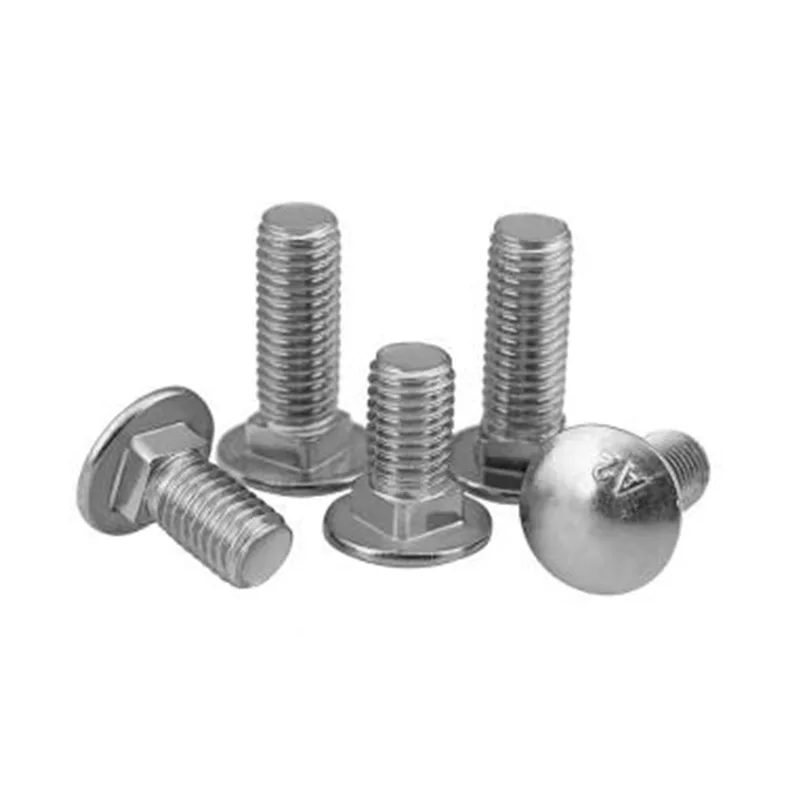
Table of Contents
Introduction to Sheet Metal Connectors
Sheet metal connectors are essential hardware components designed to join, secure, or align metal sheets in industrial and commercial applications. They offer precise mechanical fastening while maintaining structural integrity. These connectors are widely used across automotive, electrical, HVAC, and construction industries due to their reliability and ease of installation.
Modern sheet metal connectors are engineered to meet high-strength and corrosion-resistant standards, ensuring longevity even in demanding environments. Companies like S-SEN specialize in providing high-quality connectors tailored for industrial requirements.
Types of Sheet Metal Connectors
Choosing the correct type of sheet metal connector depends on the application, load requirements, and material properties. Common types include:
- Screw Connectors: Provide adjustable fastening for lightweight and medium-duty assemblies.
- Rivet Connectors: Permanent fastening for high-strength joint applications.
- Clip-on Connectors: Quick installation and removal, suitable for electrical panels and HVAC systems.
- Welded Connectors: Permanent and highly durable, used in structural or heavy-duty assemblies.
- Edge or Flange Connectors: Designed for joining sheet edges while maintaining alignment and load distribution.
Applications in Industrial Assembly
Sheet metal connectors are integral to numerous industrial applications:
- Automotive: Assembling body panels, frames, and internal chassis components.
- Electrical Cabinets: Mounting electrical enclosures, racks, and panels.
- HVAC Systems: Joining ducts, vents, and sheet metal housings.
- Construction: Structural frameworks, roofing, and cladding panels.
- Consumer Electronics: Securing metal chassis, brackets, and internal assemblies.
Key Advantages
- Durability: High-strength connectors resist mechanical stress and vibration.
- Corrosion Resistance: Coated or stainless steel connectors provide long-lasting protection.
- Precision: Ensures accurate alignment and consistent joint quality.
- Ease of Installation: Many connectors allow fast assembly and disassembly.
- Cost Efficiency: Reduces labor and maintenance costs over the product lifecycle.
Technical Parameters
Below is a reference table outlining common technical specifications of sheet metal connectors:
| Parameter | Specification |
| Material | Stainless steel, zinc-plated steel, or aluminum alloy |
| Thickness Compatibility | 0.5 mm – 5 mm (varies by type) |
| Load Capacity | Up to 500 kg depending on connector type |
| Corrosion Resistance | Electroplated coating or passivated stainless steel |
| Temperature Range | -40°C to 150°C |
| Installation Method | Screw, rivet, clip-on, or welded |
Installation and Best Practices
Proper installation is crucial for ensuring performance and longevity:
- Verify sheet thickness and material compatibility before selecting connectors.
- Follow torque specifications to avoid over-tightening or deformation.
- Use appropriate corrosion-resistant coatings in outdoor or humid environments.
- For permanent joints, rivets or welding is preferred; for modular assemblies, screw or clip connectors are ideal.
- Regular inspection and maintenance enhance long-term reliability, particularly in high-vibration environments.
FAQs
Q1: What factors should I consider when choosing sheet metal connectors?
A1: Consider material type, load requirements, sheet thickness, environmental conditions, and installation method.
Q2: Are sheet metal connectors reusable?
A2: Some types, such as screws or clip-on connectors, can be reused. Rivets and welded connectors are permanent.
Q3: Can sheet metal connectors be used in outdoor environments?
A3: Yes, selecting corrosion-resistant materials such as stainless steel or coated connectors ensures outdoor durability.
Q4: How does S-SEN ensure quality in their sheet metal connectors?
A4: S-SEN implements strict quality control, precise material selection, and modern manufacturing processes to deliver reliable connectors for industrial applications.
Conclusion
Sheet metal connectors are indispensable in modern industrial assembly, providing strong, precise, and cost-effective joining solutions. By understanding connector types, specifications, and installation best practices, manufacturers can enhance efficiency, reliability, and product longevity. For high-quality sheet metal connectors, S-SEN offers a wide range of solutions tailored to diverse industrial needs.
Explore our products and contact us today to find the perfect connectors for your projects and ensure seamless industrial assembly.