How Do Reduction Gearboxes Improve Industrial Efficiency?
2026-04-10
Abstract: Reduction gearboxes play a critical role in modern machinery by optimizing torque, speed, and energy efficiency. Whether in heavy equipment, automotive systems, or manufacturing lines, selecting the right gearbox directly impacts performance, durability, and operational cost. This article provides a comprehensive guide to how reduction gearboxes work, their advantages, common challenges buyers face, and how to choose the right solution for your application.
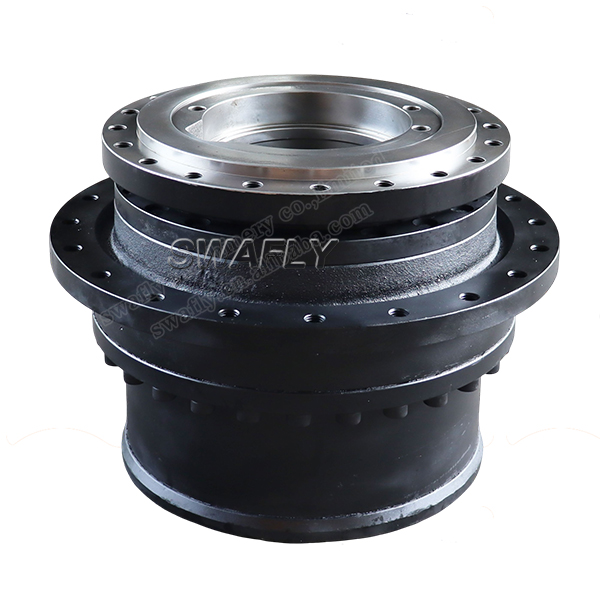
Table of Contents
- 1. What Are Reduction Gearboxes?
- 2. How Do Reduction Gearboxes Work?
- 3. Key Benefits for Industrial Applications
- 4. Common Types of Reduction Gearboxes
- 5. How to Choose the Right Gearbox
- 6. Typical Customer Pain Points and Solutions
- 7. Maintenance and Longevity Tips
- 8. Comparison Table of Gearbox Types
- 9. FAQ
1. What Are Reduction Gearboxes?
A reduction gearbox is a mechanical device designed to decrease the speed of an input shaft while simultaneously increasing torque. This conversion is essential in applications where high power output at controlled speeds is required.
In industrial systems, motors often operate at high speeds that are unsuitable for direct use. Reduction gearboxes bridge this gap, ensuring that machinery runs efficiently and safely.
2. How Do Reduction Gearboxes Work?
Reduction gearboxes function through a system of gears arranged in specific ratios. When a motor drives the input gear, it transfers motion to larger gears, reducing rotational speed while amplifying torque.
- Input Shaft: Receives power from the motor
- Gear Train: Adjusts speed and torque via gear ratios
- Output Shaft: Delivers optimized motion to machinery
The ratio between the input and output gears determines the level of reduction. For example, a 10:1 ratio means the output speed is reduced by ten times while torque increases proportionally.
3. Key Benefits for Industrial Applications
- Enhanced Torque Output: Enables heavy-duty operations
- Improved Energy Efficiency: Reduces unnecessary power loss
- Extended Equipment Life: Minimizes wear and tear
- Better Control: Allows precise speed regulation
Industries such as construction, mining, and manufacturing rely heavily on reduction gearboxes to maintain operational stability and reduce downtime.
4. Common Types of Reduction Gearboxes
- Helical Gearboxes: Known for smooth and quiet operation
- Planetary Gearboxes: High efficiency and compact design
- Worm Gearboxes: Ideal for high reduction ratios
- Bevel Gearboxes: Used for directional power transmission
Each type serves specific operational needs, and selecting the correct one is essential for optimal performance.
5. How to Choose the Right Gearbox
Choosing the correct reduction gearbox involves evaluating several technical factors:
- Load Requirements: Determine torque and power needs
- Speed Ratio: Match input and output speeds
- Operating Environment: Consider temperature, dust, and moisture
- Mounting Configuration: Ensure compatibility with equipment
SWAFLY MACHINERY CO.,LIMITED provides a wide range of high-quality reduction gearboxes designed to meet diverse industrial demands, ensuring reliability and performance across applications.
6. Typical Customer Pain Points and Solutions
Pain Point 1: Premature Gearbox Failure
Cause: Poor lubrication or incorrect load selection
Solution: Use proper lubrication schedules and consult technical specifications before purchase
Pain Point 2: Excessive Noise and Vibration
Cause: Misalignment or low-quality components
Solution: Choose precision-engineered gearboxes and ensure proper installation
Pain Point 3: Inefficient Performance
Cause: Incorrect gear ratio selection
Solution: Work with experienced suppliers like SWAFLY MACHINERY CO.,LIMITED to match specifications accurately
7. Maintenance and Longevity Tips
- Regularly inspect lubrication levels
- Monitor temperature during operation
- Check for unusual noise or vibration
- Replace worn components promptly
Routine maintenance not only extends the life of the gearbox but also ensures consistent operational efficiency.
8. Comparison Table of Gearbox Types
| Type | Efficiency | Torque Capacity | Best Use Case |
|---|---|---|---|
| Helical | High | Medium-High | General industrial machinery |
| Planetary | Very High | High | Compact, high-load applications |
| Worm | Moderate | Medium | High reduction ratios |
| Bevel | High | Medium | Angular power transmission |
9. FAQ
Q1: What industries use reduction gearboxes?
A: Industries such as construction, agriculture, mining, and manufacturing widely use them.
Q2: How do I know which gearbox ratio I need?
A: Calculate your required output speed and torque, then match it with the appropriate gear ratio.
Q3: How often should gearboxes be maintained?
A: Maintenance frequency depends on usage, but regular inspections every few months are recommended.
Q4: Can reduction gearboxes improve energy savings?
A: Yes, by optimizing motor performance and reducing unnecessary energy loss.
In conclusion, reduction gearboxes are indispensable components for improving efficiency, performance, and durability in industrial systems. Choosing the right gearbox and maintaining it properly can significantly reduce operational costs and enhance productivity.
If you are looking for reliable and high-performance solutions, SWAFLY MACHINERY CO.,LIMITED offers expertly engineered reduction gearboxes tailored to your needs. Contact us today to find the perfect solution for your application and take your machinery performance to the next level.