Article Summary
Rectangular connectors are widely used in industrial automation, power distribution, transportation systems, and communication equipment due to their robust structure and stable electrical performance. This article explores how rectangular connectors work, why they are preferred in demanding environments, and how to choose the right type for your application. It also addresses common user concerns such as installation difficulty, durability issues, compatibility challenges, and maintenance requirements. Whether you are an engineer, procurement specialist, or system integrator, this guide will help you make informed decisions and avoid costly connection failures.
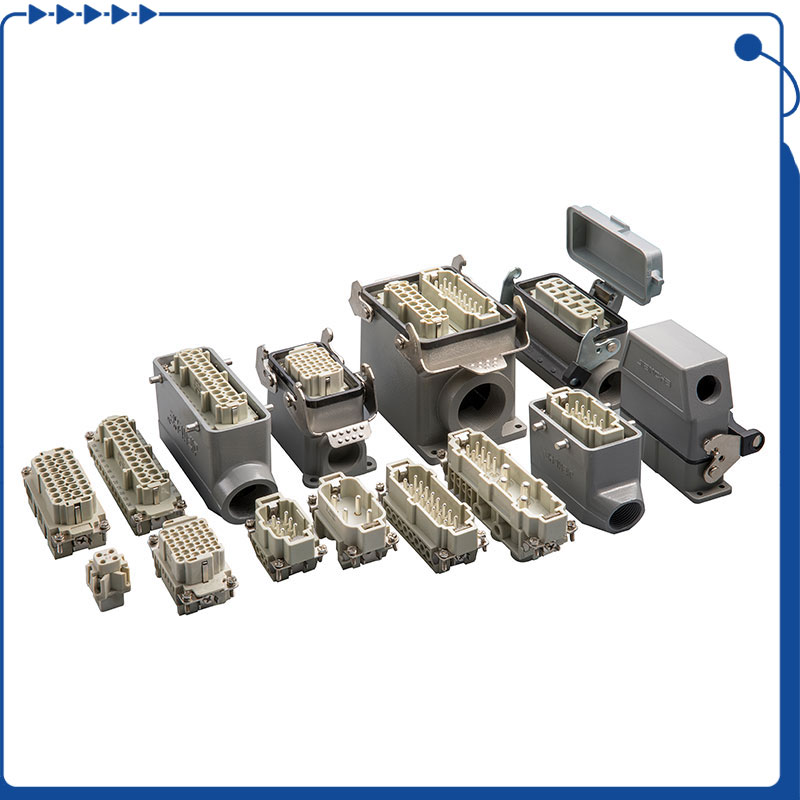
1. Introduction to Rectangular Connectors
Rectangular connectors are electrical and signal interface components designed with a rectangular housing structure. Unlike circular connectors, they are optimized for high-density pin arrangements and modular integration. They are commonly found in industrial control systems, machinery panels, robotics, and communication equipment.
Their design allows multiple signal, power, and data lines to be transmitted simultaneously within a compact footprint, making them essential in modern engineering environments where space efficiency and reliability are critical.
2. Why Rectangular Connectors Matter
In industrial systems, connection failure can lead to downtime, financial loss, or safety hazards. Rectangular connectors solve several key pain points:
-
Stable multi-pin signal transmission
-
High resistance to vibration and mechanical stress
-
Efficient space utilization in control panels
-
Modular design for easy assembly and replacement
These features make them a preferred choice in environments where reliability is non-negotiable.
3. Structure and Working Principle
A rectangular connector typically consists of a housing, contact pins, locking mechanisms, and insulation materials. The contacts are arranged in parallel rows to maximize density and functionality.
Basic Structure Breakdown:
-
Housing: Protects internal components and ensures alignment
-
Contacts: Conduct electrical signals and power
-
Insulation: Prevents short circuits and improves safety
-
Locking System: Ensures secure connection under vibration
When two connectors are mated, the pins align precisely and create a stable electrical pathway. The locking mechanism prevents accidental disconnection, which is critical in high-vibration environments.
4. Common Types and Applications
Rectangular connectors come in various configurations depending on usage requirements.
|
Type
|
Feature
|
Common Application
|
|
Power Connectors
|
High current capacity
|
Industrial machinery
|
|
Signal Connectors
|
Low voltage, high precision
|
Control systems
|
|
Hybrid Connectors
|
Combine power and signal
|
Robotics and automation
|
|
Modular Connectors
|
Customizable pin layout
|
Telecom equipment
|
These variations allow engineers to select connectors based on performance, size constraints, and environmental conditions.
5. How to Choose the Right Connector
Selecting the correct rectangular connector is crucial to system stability. Below are key considerations:
-
Current & Voltage Requirements: Ensure compatibility with system load
-
Environmental Conditions: Temperature, moisture, and dust resistance
-
Pin Configuration: Match signal and power needs
-
Durability Rating: Mechanical lifecycle and vibration resistance
-
Installation Space: Panel layout and density constraints
Misjudging these parameters often leads to overheating, signal loss, or premature connector failure.
6. Rectangular vs Other Connector Types
Understanding the differences helps in selecting the right solution:
-
Rectangular Connectors: High density, modular, ideal for industrial systems
-
Circular Connectors: Better sealing, used in harsh outdoor environments
-
Board-to-Board Connectors: Compact PCB-level applications
Rectangular connectors strike a balance between flexibility and scalability, making them a versatile choice in modern engineering designs.
7. Common Problems and Solutions
Users often encounter several challenges when working with connectors:
-
Loose Connections: Caused by improper locking or wear
-
Corrosion: Exposure to humidity or chemicals
-
Misalignment: Incorrect installation or damaged housing
-
Overheating: Exceeding rated current capacity
Solutions:
-
Use connectors with protective sealing
-
Perform regular inspection and cleaning
-
Ensure correct torque and installation procedures
-
Select connectors with appropriate current ratings
8. Maintenance and Best Practices
Proper maintenance extends the service life of rectangular connectors and ensures stable performance:
-
Regular dust and debris cleaning
-
Check locking mechanisms periodically
-
Avoid excessive bending or cable stress
-
Inspect for corrosion or discoloration
Preventive maintenance is far more cost-effective than emergency replacements or system downtime.
9. Frequently Asked Questions
Q1: Are rectangular connectors waterproof?
Some models are designed with IP-rated sealing for water and dust resistance, but not all versions are waterproof.
Q2: Can they handle high current?
Yes, power-rated rectangular connectors are designed for high current industrial applications.
Q3: Are they reusable?
Most rectangular connectors are designed for multiple mating cycles, depending on quality grade.
Q4: What industries use them most?
Automation, telecommunications, transportation systems, and manufacturing industries rely heavily on them.
10. Conclusion & Contact
Rectangular connectors are essential components in modern electrical and electronic systems, offering reliability, flexibility, and high-density connectivity. Choosing the right connector and maintaining it properly can significantly reduce system failures and operational costs.
For high-quality industrial connector solutions and customized support, Gaoshiwei provides professional-grade rectangular connector products designed for demanding applications.
If you are looking for reliable sourcing, technical guidance, or tailored connector solutions, Gaoshiwei contact us today to discuss your requirements and get expert support for your project.