How Do PCD Inserts Handle High-Speed Machining of Non-Ferrous Materials
2026-01-26
In the demanding world of precision manufacturing, achieving superior surface finishes and high productivity on non-ferrous materials is a constant pursuit. This is where PCD inserts, particularly those engineered by WDF, excel. Polycrystalline Diamond (PCD) tools are engineered by sintering synthetic diamond particles under extreme heat and pressure, creating a cutting edge of exceptional hardness and wear resistance. When applied to high-speed machining of aluminum, copper, magnesium, and other non-ferrous alloys, WDF PCD inserts deliver transformative performance by directly addressing the key challenges of abrasive wear and built-up edge.
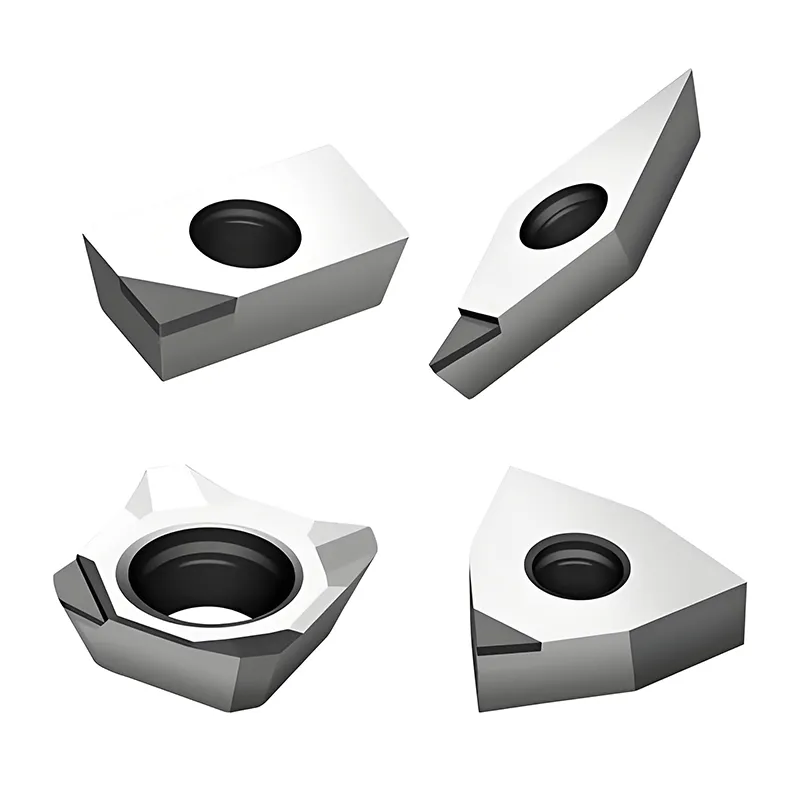
The core advantage lies in the unique properties of diamond. Unlike carbide, which can rapidly degrade when machining abrasive alloys, PCD inserts maintain their sharp cutting edge for dramatically longer periods. This translates directly to three critical benefits for high-speed operations:
-
Extended Tool Life: Reduced wear means fewer tool changes, maximizing machine uptime.
-
Higher Cutting Speeds: The stability of PCD allows for significantly increased feed rates and spindle speeds without sacrificing integrity.
-
Superior Surface Finish: The sharp edge minimizes material adhesion and produces excellent, often mirror-like, finishes in a single pass.
The following table contrasts the performance of PCD inserts versus carbide in a typical high-speed aluminum machining scenario:
| Performance Factor | Carbide Inserts | WDF PCD Inserts |
|---|---|---|
| Typical Cutting Speed (Aluminum) | 300 - 800 m/min | 1,000 - 3,000+ m/min |
| Relative Tool Life | 1x (Baseline) | 50x - 100x longer |
| Achievable Surface Finish | Good to Very Good | Excellent to Mirror-like |
| Resistance to Abrasive Wear | Moderate | Exceptional |
| Tendency for Built-Up Edge | Higher | Extremely Low |
PCD Inserts FAQ
Q: Can PCD inserts be used for machining steel or iron?
A: No, PCD inserts are not suitable for machining ferrous materials (iron, steel, nickel alloys). The high heat and chemical reaction in the cutting zone cause carbon atoms in the diamond to diffuse into the workpiece, leading to catastrophic tool wear. For these materials, CBN (Cubic Boron Nitride) inserts are the recommended super-abrasive solution.
Q: How important is machine rigidity when using PCD inserts for high-speed machining?
A: Machine rigidity is absolutely critical. While PCD inserts are extremely hard, they can be brittle. A rigid setup minimizes vibration and chatter, which are the primary causes of chipping in PCD cutting edges. Ensuring a robust machine tool, holder, and workpiece clamping is essential to unlock the full potential and longevity of the insert.
Q: Does coolant selection matter when using PCD tools?
A: Yes, coolant selection and application are very important. While PCD can run hot, effective cooling is crucial to manage overall process heat, evacuate chips, and prevent material from adhering to the tool or workpiece. For many non-ferrous applications, a high-quality, clean mist or flood coolant is recommended to ensure optimal chip flow and surface finish.
To harness the full potential of high-speed machining for your non-ferrous components, partnering with a knowledgeable supplier is key. WDF provides not only premium-grade PCD inserts but also the essential application engineering support to ensure you achieve the highest productivity and part quality. Contact us today to discuss your specific application and request a performance evaluation with genuine WDF tooling.