Abstract
Nipple fittings are essential components in piping and fluid transfer systems, widely used across plumbing, hydraulic, pneumatic, oil & gas, and industrial manufacturing applications. This article explains how nipple fittings work, their types, materials, applications, installation methods, and common troubleshooting practices. It is designed to help engineers, procurement managers, and maintenance teams make informed decisions when selecting and using nipple fittings for safe, efficient, and durable system performance. The solutions and insights provided also highlight industrial-grade manufacturing expertise from XunChi®.
1. Introduction
In modern industrial piping systems, connection reliability determines operational safety and efficiency. Among the most widely used connecting components are nipple fittings, which serve as short pipe connectors that join two other fittings or equipment components. Despite their simple appearance, they play a critical role in ensuring leak-free, pressure-resistant, and stable fluid transfer.
From household plumbing to high-pressure hydraulic systems, nipple fittings are indispensable. Their design simplicity hides a complex engineering purpose: maintaining flow continuity while ensuring mechanical stability under varying pressure and temperature conditions.
2. What Are Nipple Fittings?
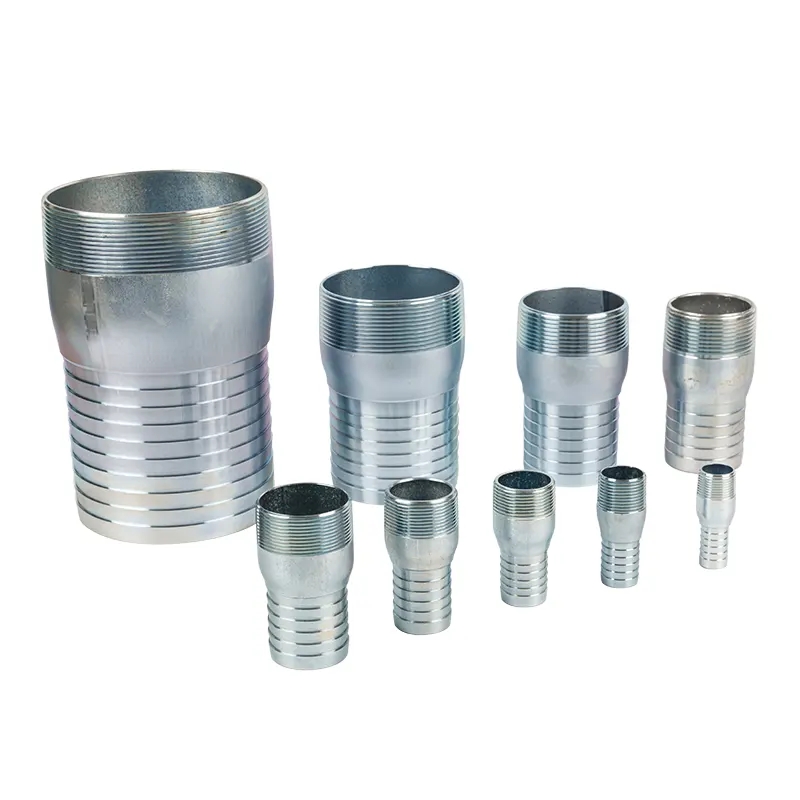
Nipple fittings are short pieces of pipe, typically threaded on both ends, used to connect two female-threaded fittings. They can vary in length, diameter, and material depending on application requirements. They are designed to provide secure, leak-proof connections in pipelines carrying liquids, gases, or sometimes granular materials.
-
Usually cylindrical in shape
-
Available in threaded, welded, or grooved forms
-
Compatible with a wide range of pipe systems
3. Types of Nipple Fittings
|
Type
|
Description
|
Common Use
|
|
Threaded Nipple
|
Both ends threaded for easy installation
|
Plumbing and HVAC systems
|
|
Welded Nipple
|
Fixed by welding for high-pressure environments
|
Oil & gas pipelines
|
|
Hex Nipple
|
Includes a hexagonal section for tightening
|
Industrial machinery
|
|
Close Nipple
|
Very short with minimal gap between threads
|
Compact piping systems
|
4. Materials and Structural Characteristics
The performance of nipple fittings depends heavily on the materials used. Different environments require different resistance levels against corrosion, pressure, and temperature.
-
Stainless Steel: High corrosion resistance, ideal for chemical industries
-
Carbon Steel: Strong and cost-effective for general industrial use
-
Brass: Common in plumbing due to anti-corrosion properties
-
PVC: Lightweight, used in low-pressure water systems
Structural precision is also critical. Thread accuracy, surface finishing, and dimensional tolerance directly impact sealing performance and long-term durability.
5. How Nipple Fittings Work
Nipple fittings operate by creating a mechanical seal between two threaded components. When installed, the external threads of the nipple engage with internal threads of connecting fittings. This engagement produces compression and friction, ensuring a tight seal.
In many systems, sealing compounds such as PTFE tape or thread sealants are applied to enhance leak prevention. Under pressure, the fitting maintains structural integrity due to its uniform cylindrical design and material strength.
The working mechanism can be summarized as follows:
-
Insertion of nipple into threaded fittings
-
Rotation to engage threads
-
Compression creates mechanical seal
-
System pressure further strengthens the seal
6. Industrial Applications
-
Hydraulic systems in heavy machinery
-
Oil and gas pipeline connections
-
Water supply and drainage systems
-
HVAC installations
-
Chemical processing plants
Their adaptability makes nipple fittings one of the most universal components in mechanical and fluid engineering systems.
7. Selection Guidelines
Choosing the correct nipple fitting is essential for system reliability. Several factors must be considered:
-
Operating pressure and temperature
-
Fluid type (corrosive, neutral, or abrasive)
-
Thread standard compatibility
-
Material compatibility with pipeline system
-
Installation environment constraints
8. Installation Process
Proper installation ensures long-term stability and leak prevention. The standard procedure includes:
-
Inspect threads for damage or contamination
-
Apply sealing tape or compound
-
Align fittings carefully to avoid cross-threading
-
Tighten using appropriate tools
-
Test system under low pressure before full operation
9. Common Problems and Solutions
|
Problem
|
Cause
|
Solution
|
|
Leakage
|
Poor sealing or thread damage
|
Reapply sealant and replace damaged fittings
|
|
Corrosion
|
Incompatible material
|
Use stainless steel or coated fittings
|
|
Thread stripping
|
Over-tightening
|
Replace fitting and use torque control
|
10. Maintenance Practices
Routine inspection and maintenance extend the lifespan of nipple fittings. Recommended practices include:
-
Periodic inspection for corrosion or wear
-
Checking for leaks under operating conditions
-
Cleaning external surfaces to prevent buildup
-
Replacing worn fittings proactively
11. Why Choose XunChi®
XunChi® specializes in manufacturing high-performance industrial fittings designed for demanding applications. With strict quality control systems, advanced machining technology, and material traceability, XunChi® ensures consistent product reliability.
Customers choose XunChi® for:
-
Precision-engineered threading standards
-
High resistance to pressure and corrosion
-
Wide range of industrial-grade materials
-
Stable performance under extreme conditions
12. Frequently Asked Questions
What is the main function of nipple fittings?
They connect two threaded fittings or pipes, ensuring a secure and leak-free fluid transfer pathway.
Are nipple fittings reusable?
Yes, in most cases they are reusable if threads are not damaged and sealing conditions remain intact.
Which material is best for high-pressure systems?
Stainless steel is generally preferred due to its strength and corrosion resistance.
How do I prevent leakage in nipple fittings?
Use proper thread sealants, ensure correct torque, and avoid cross-threading during installation.
Can nipple fittings be used in gas systems?
Yes, but only with appropriate materials and certified sealing methods for gas safety standards.
Conclusion
Nipple fittings are small yet critical components in industrial piping systems. Their ability to maintain secure connections under varying operational conditions makes them essential in multiple industries. Understanding their types, materials, and installation methods ensures safer and more efficient system performance.
For reliable, high-quality nipple fittings engineered for industrial excellence, XunChi® provides trusted solutions tailored to global application demands.
For technical consultation, bulk orders, or customized solutions, please contact us at XunChi® today to explore how we can support your project requirements.


