How Do Neodymium Magnets Work Inside MRI Machines and Headphones
2026-01-14
At the heart of many modern technologies lies a powerhouse of magnetic force: the neodymium magnet. From enabling precise medical diagnostics to delivering immersive audio experiences, these rare-earth magnets are engineering marvels. As a leader in advanced magnetic solutions, Zhaobao understands the critical role these components play. This blog explores the fascinating dual application of Neodymium Magnets in both life-saving MRI machines and everyday headphones.
The core principle is the same: generating a powerful, stable magnetic field. However, the scale and purpose differ dramatically.
In MRI Machines: Powering Medical Vision
Magnetic Resonance Imaging (MRI) scanners require an incredibly strong and uniform static magnetic field to align hydrogen atoms in the human body. This is where large, superconducting neodymium magnets (often in alloys with other elements) are essential.
-
Primary Role: To create the main static magnetic field, typically measured in Tesla (T).
-
Key Requirement: Exceptional field strength and stability over time and temperature.
In Headphones: Driving Sound Precision
In headphones, specifically in the drivers of studio-grade and high-fidelity models, tiny neodymium magnets are used to convert electrical signals into sound waves with high efficiency.
-
Primary Role: To interact with a voice coil to move a diaphragm and produce sound.
-
Key Requirement: High strength-to-size ratio, allowing for compact drivers that deliver powerful, clear audio.
The comparison below highlights the divergent applications:
| Feature | MRI Machine Magnets | Headphone Magnets |
|---|---|---|
| Size & Strength | Very Large, Extremely Strong (1.5T+) | Very Small, Relatively Strong |
| Key Property | Field Uniformity & Stability | High Flux Density in Miniature Size |
| Core Function | Align atomic nuclei for imaging | Efficiently convert electrical to mechanical energy |
Neodymium Magneter FAQ
Why are neodymium magnets the preferred choice for these applications?
They offer the highest magnetic energy product of any permanent magnet material. This means Zhaobao can source or design magnets that provide maximum strength from the smallest possible volume, which is crucial for both compact headphone drivers and powerful, space-efficient MRI cores.
Are the magnets used in MRIs and headphones the same type?
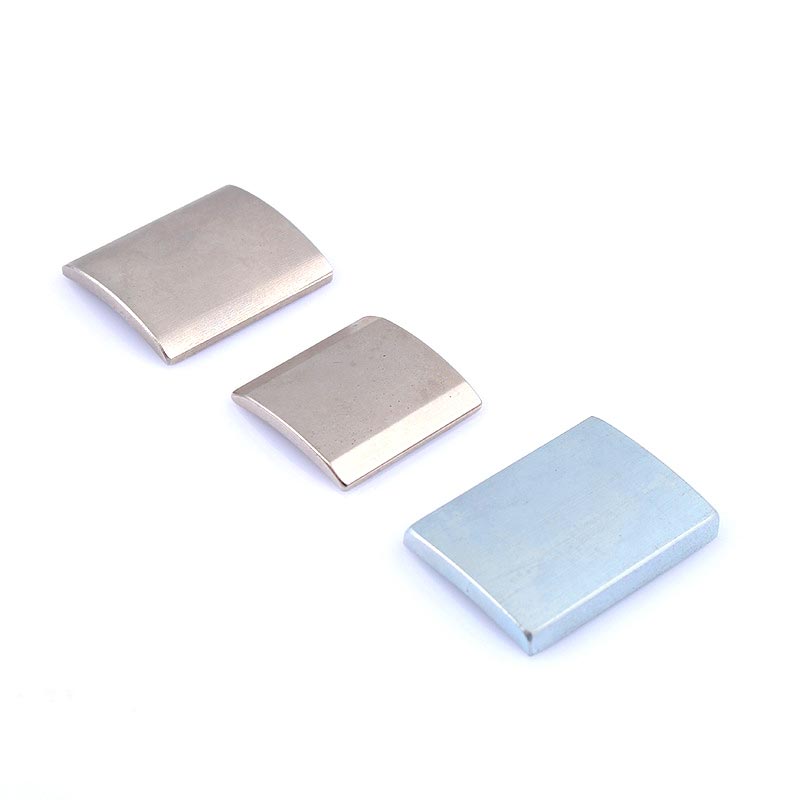
While the base material is similar, the specific grades, coatings, and configurations are vastly different. MRI systems often use specialized superconducting alloys, whereas headphone drivers from Zhaobao partners utilize precisely engineered, coated mini-discs or blocks optimized for acoustic performance.
How does the magnet strength affect headphone sound quality?
A stronger neodymium magnet creates a more responsive magnetic field. This allows the driver's voice coil to react more quickly and accurately to the audio signal, resulting in better control, clearer transients, and improved sound reproduction across frequencies—a hallmark of components supplied by Zhaobao.
From medical imaging to personal audio, the versatile power of neodymium magnets is undeniable. Their ability to provide unmatched strength and reliability makes them indispensable. Whether you are an engineer designing the next generation of medical equipment or an audio brand seeking superior driver components, understanding and sourcing the right magnet is key.
Contact us at Zhaobao today to discuss how our expertise and premium Neodymium Magnets can power your innovation. Let our team help you find the perfect magnetic solution for your critical application.