How Do Metal Circular Connectors Ensure Reliable Industrial Connectivity?
2026-07-01
Abstract
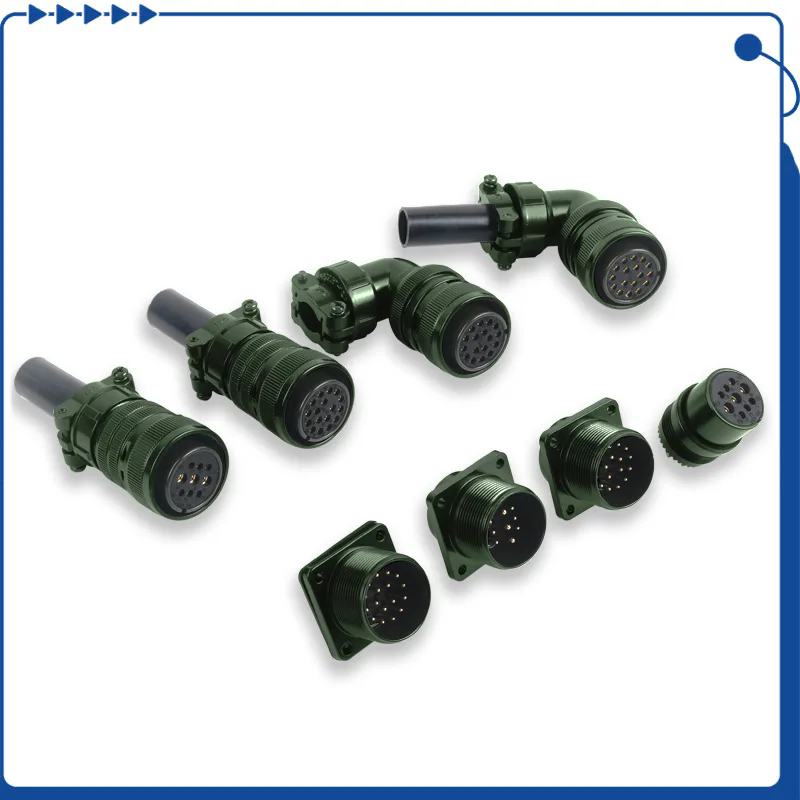
Metal circular connectors are critical components in modern industrial systems where stable electrical and signal transmission is required under harsh operating conditions. This article explores their structure, performance advantages, application scenarios, selection criteria, and maintenance considerations. It also addresses common engineering pain points such as vibration resistance, corrosion protection, signal integrity, and long-term durability. By the end, readers will gain a practical understanding of how these connectors support system reliability across aerospace, automation, transportation, and energy industries.
Outline
- Introduction to Metal Circular Connectors
- Core Structure and Working Principles
- Key Advantages in Industrial Applications
- Typical Application Scenarios
- How to Select the Right Connector
- Installation and Maintenance Guidelines
- Common Challenges and Engineering Solutions
- Comparison Table of Connector Types
- FAQ Section
- Conclusion and Contact Information
Table of Contents
- Introduction
- Core Structure and Working Principles
- Key Advantages
- Application Scenarios
- Selection Guide
- Installation and Maintenance
- Challenges and Solutions
- Comparison Table
- FAQ
- Conclusion
Introduction to Metal Circular Connectors
In industrial environments, stable connectivity is not optional—it is a requirement for operational safety and efficiency. Metal circular connectors are engineered to deliver robust electrical and signal transmission even in environments exposed to vibration, moisture, dust, and extreme temperatures.
Unlike rectangular or plastic-based connectors, circular metal designs provide superior mechanical strength and EMI shielding, making them widely used in aerospace systems, robotics, rail transportation, medical equipment, and heavy machinery. Companies such as Zhejiang Gaoshiwei Aviation Plugin Co., Ltd. specialize in designing high-performance connector solutions tailored to demanding industrial conditions.
Core Structure and Working Principles
Metal circular connectors are composed of several precision-engineered components that ensure secure mating and stable conductivity.
- Metal Housing: Typically aluminum alloy or stainless steel, providing mechanical protection and EMI shielding.
- Insulator: High-performance polymer or ceramic materials that separate conductive pins.
- Contact Pins: Conductive elements (gold or silver plated) ensuring low resistance signal transmission.
- Sealing System: Rubber or elastomer gaskets preventing dust and water ingress.
- Locking Mechanism: Threaded, bayonet, or push-pull systems for secure connection.
The working principle relies on precise alignment of male and female contacts, ensuring minimal resistance and stable signal flow even under vibration or mechanical stress.
Key Advantages in Industrial Applications
Metal circular connectors offer multiple engineering advantages that make them the preferred choice in high-reliability systems.
- High Durability: Resistant to shock, vibration, and mechanical stress.
- Environmental Protection: IP-rated sealing against dust, water, and oil exposure.
- Excellent EMI Shielding: Metal housing reduces electromagnetic interference.
- Long Service Life: Designed for thousands of mating cycles.
- Stable Electrical Performance: Low contact resistance ensures signal integrity.
Typical Application Scenarios
Metal circular connectors are widely used across industries where reliability is critical:
- Aerospace and aviation avionics systems
- Industrial automation and robotics
- Railway signaling and control systems
- Medical imaging and diagnostic equipment
- Energy systems such as wind turbines and power distribution units
- Military communication and control devices
In each of these fields, even a minor connection failure can lead to system downtime or safety risks, making connector quality essential.
How to Select the Right Connector
Choosing the correct metal circular connector requires careful evaluation of multiple technical parameters.
| Selection Factor | Description | Importance |
|---|---|---|
| Current Rating | Defines electrical load capacity | High |
| IP Protection Level | Resistance to dust and water ingress | High |
| Operating Temperature | Environmental temperature range tolerance | Medium to High |
| Mating Cycles | Expected number of connection cycles | Medium |
| Shielding Effectiveness | Protection against EMI interference | High |
Engineering teams should also consider compatibility with existing systems and compliance with international standards.
Installation and Maintenance Guidelines
Proper installation significantly affects connector lifespan and performance.
- Ensure connectors are clean and free from debris before mating.
- Apply correct torque during threaded locking to avoid mechanical stress.
- Avoid bending or pulling cables near the connector interface.
- Inspect sealing rings regularly for wear or deformation.
- Use protective caps when connectors are not in use.
Routine maintenance helps prevent signal degradation and ensures long-term reliability in demanding environments.
Common Challenges and Engineering Solutions
Despite their robustness, metal circular connectors may face certain operational challenges.
- Corrosion: Solved by using stainless steel or advanced plating techniques.
- Vibration Loosening: Mitigated through bayonet or threaded locking mechanisms.
- EMI Noise: Reduced via full metal shielding design.
- Seal Degradation: Addressed by high-grade elastomer materials.
Advanced engineering design ensures these issues are minimized, improving long-term operational stability.
Comparison Table of Connector Types
| Type | Strength | Weakness | Best Use Case |
|---|---|---|---|
| Metal Circular Connectors | High durability, EMI shielding | Higher cost | Industrial and aerospace systems |
| Plastic Connectors | Low cost, lightweight | Low durability | Consumer electronics |
| Rectangular Connectors | High pin density | Lower sealing performance | Control panels |
FAQ
Q1: What makes metal circular connectors more reliable than plastic ones?
Metal housings provide superior mechanical strength, EMI shielding, and environmental resistance compared to plastic alternatives.
Q2: Are metal circular connectors suitable for outdoor use?
Yes, especially when they are IP-rated and properly sealed against moisture and dust.
Q3: How long is the typical service life?
Depending on usage conditions, they can last thousands of mating cycles without performance degradation.
Q4: Can they handle high-vibration environments?
Yes, their locking mechanisms are designed specifically for vibration-intensive applications such as railways and aerospace systems.
Q5: Where can I find high-quality industrial connectors?
You can explore professional-grade solutions at Zhejiang Gaoshiwei Aviation Plugin Co., Ltd., which provides a wide range of industrial connector products.
Conclusion
Metal circular connectors play a foundational role in ensuring stable, secure, and efficient electrical connectivity across mission-critical systems. Their combination of mechanical strength, environmental resistance, and electrical reliability makes them indispensable in modern industrial engineering.
For industries seeking dependable connector solutions tailored to demanding environments, Zhejiang Gaoshiwei Aviation Plugin Co., Ltd. offers advanced manufacturing capabilities and customized product support designed to meet global standards.
To learn more about specifications, customization options, or procurement support, contact us today and connect with our technical team for professional assistance.