How Do I Find the Correct Air Conditioner Bearing Size for Replacement
2026-11-16
Selecting the right Air Conditioner Bearing is one of the most important steps in restoring your AC unit to quiet, efficient operation. At BMT, we have supplied precision bearings to HVAC technicians and homeowners for years, and we know that even a millimeter of mismatch can cause vibration, premature wear, or complete failure. This guide walks you through the exact measurement and verification process we recommend to our customers, so you can order with confidence the first time.
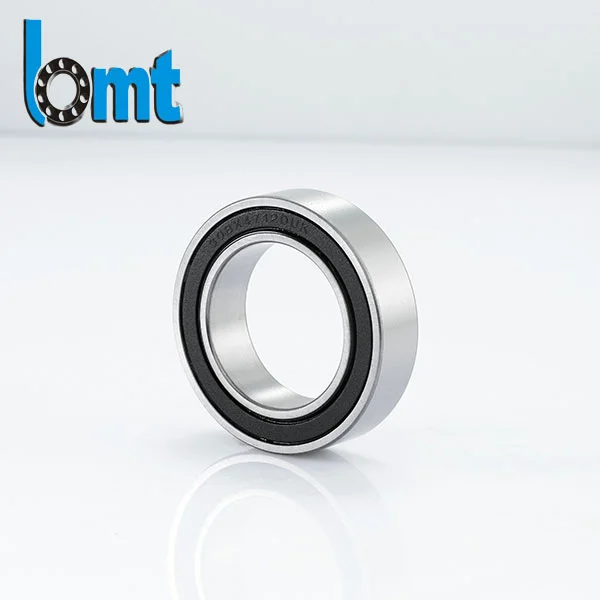
Step 1: Identify the Bearing Type Before You Measure
Before reaching for a caliper, confirm what style of Air Conditioner Bearing your unit uses. Most residential and light commercial AC motors rely on one of the following:
-
Ball bearings – sealed or open, common in blower and fan motors
-
Roller bearings – used in larger condenser fan applications
-
Sleeve bearings – found in older or low-cost units
-
Thrust bearings – less common, used in specific compressor assemblies
Knowing the type narrows your search and prevents ordering a dimensionally similar but functionally incompatible part.
Step 2: Measure the Three Critical Dimensions
Every Air Conditioner Bearing is defined by three numbers. Measure each one with a digital caliper and record it in both millimeters and inches.
| Dimension | What It Measures | Measurement Tip |
|---|---|---|
| Bore (ID) | Inner diameter of the bearing | Measure the shaft or the inner race; take three readings and average them |
| Outer Diameter (OD) | Outer diameter of the bearing | Measure across the outer race at multiple points to detect out-of-round |
| Width (Thickness) | Width of the bearing | Measure the full width, including any shields or seals |
BMT recommends recording these values as a set (for example, 25 mm × 52 mm × 15 mm) because bearings are cataloged by their combined dimensions, not by a single number.
Step 3: Read the Part Number and Cross-Reference It
Most Air Conditioner Bearing housings carry an etched or stamped part number. Use it as your primary reference, then cross-check it against the manufacturer's parts diagram. If the number is worn away, match your measured dimensions to a standard bearing series. BMT's catalog organizes bearings by bore, OD, and width so you can confirm a match in seconds.
Step 4: Account for Seals, Shields, and Clearance
Two bearings with identical dimensions can still differ in sealing and internal clearance. For AC applications:
-
Choose sealed (2RS) bearings in dusty outdoor condenser environments
-
Choose shielded (ZZ) bearings for cleaner indoor blower assemblies
-
Match the clearance class specified by the equipment manufacturer
Step 5: Verify Fit Before Installation
Before pressing a new Air Conditioner Bearing into place, confirm the shaft slides in without force and the housing seats evenly. A bearing that requires excessive force during installation is the wrong size, even if the numbers appear correct.
Frequently Asked Questions
Q: Can I replace an Air Conditioner Bearing with a slightly different size?
A: No. Even a small difference in bore, outer diameter, or width will cause misalignment, vibration, and rapid failure. Always match all three dimensions exactly and confirm the seal type and clearance class specified for your unit.
Q: Where can I find the part number for my Air Conditioner Bearing?
A: Check the bearing's metal race, the motor nameplate, and the equipment parts diagram. If the number is illegible, measure bore, outer diameter, and width with a digital caliper and cross-reference those dimensions against a bearing catalog such as BMT's.
Q: How do I know if my Air Conditioner Bearing is the correct type for outdoor use?
A: Outdoor condenser fan motors require bearings with adequate sealing against dust and moisture. Sealed Air Conditioner Bearing designs are generally preferred outdoors, while shielded versions suit cleaner indoor blower applications. Confirm the manufacturer's specification before ordering.
Get Expert Help from BMT
Finding the correct Air Conditioner Bearing size does not have to be a guessing game. BMT provides dimension-based catalog search, part-number cross-referencing, and technical support to help you confirm the right fit before you buy. Contact us today with your measurements or part number, and our team will help you identify the exact Air Conditioner Bearing for your unit.