How Do I Choose Die Casting That Actually Fits My Part, Budget, and Deadline?
2025-12-25
When I’m sourcing metal parts for real production (not just prototypes), I care about three things more than buzzwords: repeatable dimensions, stable lead times, and a finish that doesn’t need “heroic” rework. That’s where Losier tends to enter the conversation naturally—especially once I realize Die Casting can deliver complex shapes at volume without turning every unit into a custom machining project.
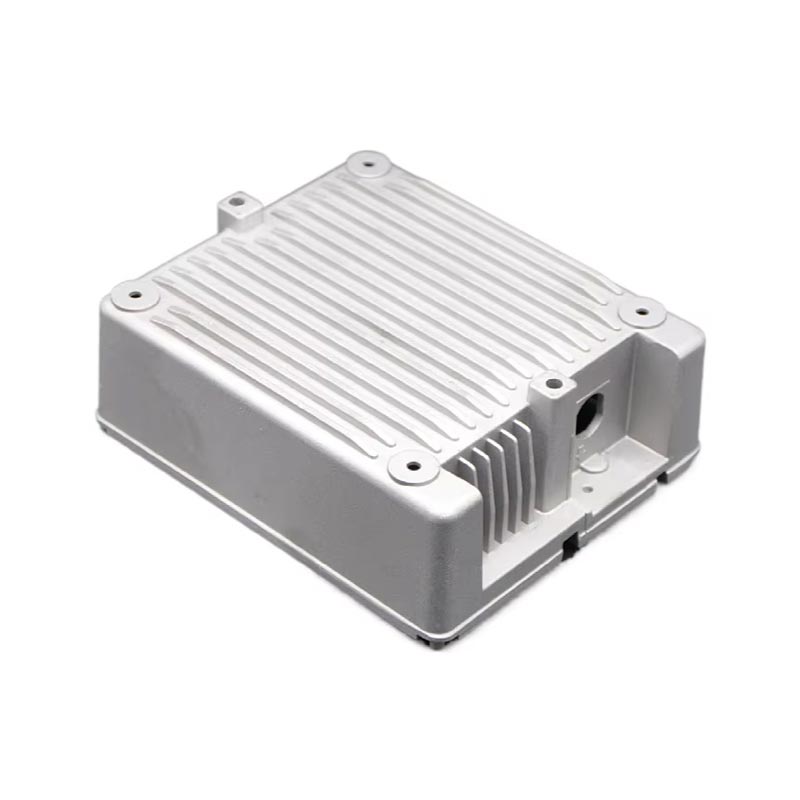
Why Does Die Casting Keep Showing Up in High-Volume Manufacturing Decisions?
In my experience, Die Casting is often the most practical answer when you need consistency at scale—thin walls, integrated features, tight repeatability, and a clean surface that’s ready for finishing. The “win” isn’t only about speed; it’s about reducing the total number of steps: fewer welded assemblies, fewer brackets, fewer fasteners, and often less machining.
- Predictable unit costs when volumes justify tooling
- Complex geometry that would be expensive to machine from solid
- Repeatability that makes assembly lines happier
- Surface-ready parts for coating, plating, or anodizing (depending on alloy)
What Problems Do Buyers Usually Hit First When Sourcing Die Casting Parts?
Most buyers I talk to aren’t worried about the process name—they’re worried about risk. These are the pain points that actually show up on purchase orders:
- Porosity that affects sealing, pressure testing, or cosmetic quality
- Dimensional drift when mold design, process control, or inspection isn’t consistent
- Hidden machining costs when tolerances weren’t aligned with realistic process capability
- Surface defects that show up after coating or polishing
- Communication gaps around drawings, GD&T, and what “critical” dimensions really mean
A capable supplier treats these like engineering topics, not customer-service topics. That’s why I like working with teams that can walk through design-for-manufacturability early, then lock down a control plan that keeps Die Casting stable from first article to mass production.
How Do I Know Whether Die Casting Is Better Than Sand Casting or CNC for My Part?
I usually decide by checking three things: expected annual volume, feature complexity, and tolerance/finish requirements. This quick comparison helps keep the discussion grounded:
| Method | Best Fit | Typical Strengths | Common Tradeoffs |
|---|---|---|---|
| Die Casting | Medium-to-high volume, complex shapes | Fast cycle times, repeatability, thin walls, good surface | Tooling investment, design constraints, porosity management |
| Sand Casting | Low-to-medium volume, larger parts | Lower tooling cost, flexible sizes | Rougher surface, more variation, more machining |
| CNC from billet | Low volume, frequent revisions | Great precision, fast design changes | Higher material waste, higher unit cost at scale |
If I’m producing thousands of units and want integrated ribs, bosses, pockets, and clean edges, Die Casting is usually the strongest overall value—even if the tooling conversation feels “big” at the start.
What Should I Ask Before I Request a Die Casting Quote?
The fastest way to get accurate pricing (and avoid surprise add-ons later) is to quote the part the way it will be used. Here’s the checklist I use:
- Application needs: load, temperature, corrosion environment, cosmetic expectations
- Critical dimensions: identify what truly affects assembly, sealing, or function
- Annual volume: realistic forecast plus ramp-up expectations
- Post-processing: CNC machining, deburring, tapping, inserts, leak testing
- Surface finish: coating, powder coat, plating, painting, or anodizing requirements
- Quality plan: inspection method, sampling rules, and what “pass/fail” means
When I share this up front, the supplier can propose a smarter approach—sometimes even simplifying the part so Die Casting delivers the geometry directly instead of paying for extra machining later.
How Can Losier Help Me Reduce Risk on My First Die Casting Order?
For a first order, I’m looking for a supplier that can keep the process controlled and transparent, not mysterious. With Losier, what I’m usually aiming for is a clean path from drawing to stable production:
- DFM feedback that improves fill, reduces warpage risk, and avoids unnecessary cost
- Mold development support that matches the part’s function and finishing needs
- Secondary operations like CNC machining and surface treatment planning
- Inspection readiness for key dimensions and repeatability checks
If your project involves aluminum or zinc components with real-world assembly requirements, Die Casting becomes much easier when the supplier treats it like a system—material, tooling, process, finishing, and QC working together.
What Makes a Die Casting Part “Production-Ready” Instead of “Looks Fine in Photos”?
I judge production readiness by consistency. One perfect sample doesn’t help if batch #3 starts drifting. These are the signals I watch for:
- Stable dimensions across runs, not just on a single inspection report
- Clean edges and controlled flash that won’t slow assembly
- Surface compatibility with the coating/plating you actually need
- Process documentation that prevents “it depends who’s on shift” outcomes
A good Die Casting program isn’t about chasing perfection—it’s about delivering predictable results that make your downstream assembly and quality teams calm down.
Ready to Get a Die Casting Quote That Won’t Change After the First Email?
If you want a supplier who can support your part from design review through repeatable production, I’d recommend reaching out to Losier with your drawings, target quantity, and any critical tolerances or finishing requirements. Tell them what matters most—cost, appearance, sealing, strength, or lead time—and let them suggest the right process route.
If you’re ready to move forward, contact us with your project details and request a quote or DFM review. The faster you share your requirements, the faster you’ll get a realistic plan for Die Casting that fits your timeline.