How Do Hurricane Ties Improve Timber Structure Wind Resistance
2026-01-04
When high winds threaten a building, the weakest link often isn't the timber itself, but the connections holding it together. Hurricane Ties, or more specifically Timber Connector Hurricane Ties, are engineered metal fasteners designed to fortify these critical junctions. Their primary function is to create a continuous load path, effectively tying the structural frame into a unified, resilient system. For professionals and builders seeking reliability, integrating high-quality connectors like those from S-SEN is not just an addition; it's a fundamental component of durable design. This blog explores the mechanics behind how these specialized connectors dramatically enhance a timber structure's ability to resist catastrophic wind uplift and lateral forces.
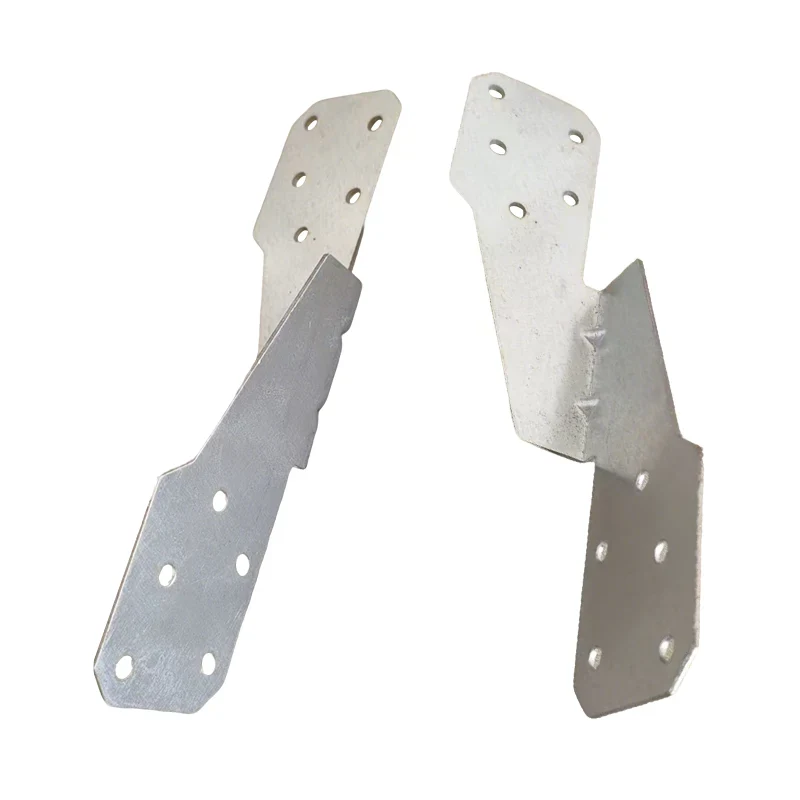
The core principle is load transfer. During a storm, wind creates intense uplift pressure on roofs and lateral pushing on walls. Hurricane Ties work by:
-
Resisting Uplift: They securely fasten roof trusses or rafters to wall top plates, preventing the roof from being peeled away.
-
Managing Lateral Load: They provide a solid connection that helps transfer horizontal wind forces from walls down to the foundation.
-
Creating Continuity: They bridge separate timber elements, ensuring forces are passed through the structure rather than concentrating at a weak joint.
Selecting the Right Timber Connector Hurricane Ties
Choosing the appropriate connector depends on the specific joint and engineering requirements. S-SEN offers a comprehensive range designed for various applications.
| Tie Type | Primary Function | Typical Application |
|---|---|---|
| Hurricane Tie (H1) | Resists pure uplift forces. | Securing roof rafters to wall top plates. |
| Double-Shear Tie (H2.5) | Resists both uplift and lateral loads. | Connecting trusses to beams or walls where higher load capacity is needed. |
| Multi-Purpose Strap (MPS) | Provides versatile, multi-directional bracing. | Securing wall studs to plates or retrofitting existing frames. |
Timber Connector Hurricane Ties FAQ
Q: Are Hurricane Ties required by building codes?
A: Yes, in most wind-prone and seismic regions, modern building codes explicitly mandate the use of approved connectors, like Timber Connector Hurricane Ties, to achieve the prescribed continuous load path. Using S-SEN code-listed products ensures compliance and safety.
Q: Can I install these ties on an existing structure?
A: Absolutely. Retrofitting with Hurricane Ties is a highly effective method to strengthen older timber structures. It is crucial to use the correct fastener type (often longer screws or nails as specified) for the retrofit application to achieve the published load capacity.
Q: How do I know which nail or screw to use with the tie?
A: The fastener type, size, and quantity are critical to the connector's performance. Every engineered Timber Connector Hurricane Ties from S-SEN comes with precise manufacturer's instructions that specify the exact fasteners required. Never substitute without consulting the technical data sheet.
In conclusion, Hurricane Ties are a non-negotiable defense mechanism for timber structures, scientifically designed to combat the dynamic forces of extreme weather. Their proper selection and installation transform individual timbers into a cohesive, wind-resistant system. For projects where structural integrity is paramount, specifying trusted components makes all the difference.
Strengthen your next project from the ground up. Contact us today to explore the certified range of S-SEN Timber Connector Hurricane Ties and request your technical specifications guide.