How Do High Conductivity Tin Bronze Components Improve Industrial Performance?
2026-07-06
Abstract
High conductivity tin bronze components are widely used in demanding industrial environments where mechanical strength, wear resistance, and electrical or thermal conductivity must work together. This article explains how these components are engineered, why they outperform many conventional alloys, and how industries such as energy, automotive, marine engineering, and heavy machinery benefit from their application. It also explores material properties, manufacturing considerations, selection guidelines, and real-world use cases provided by suppliers such as Fengquan.
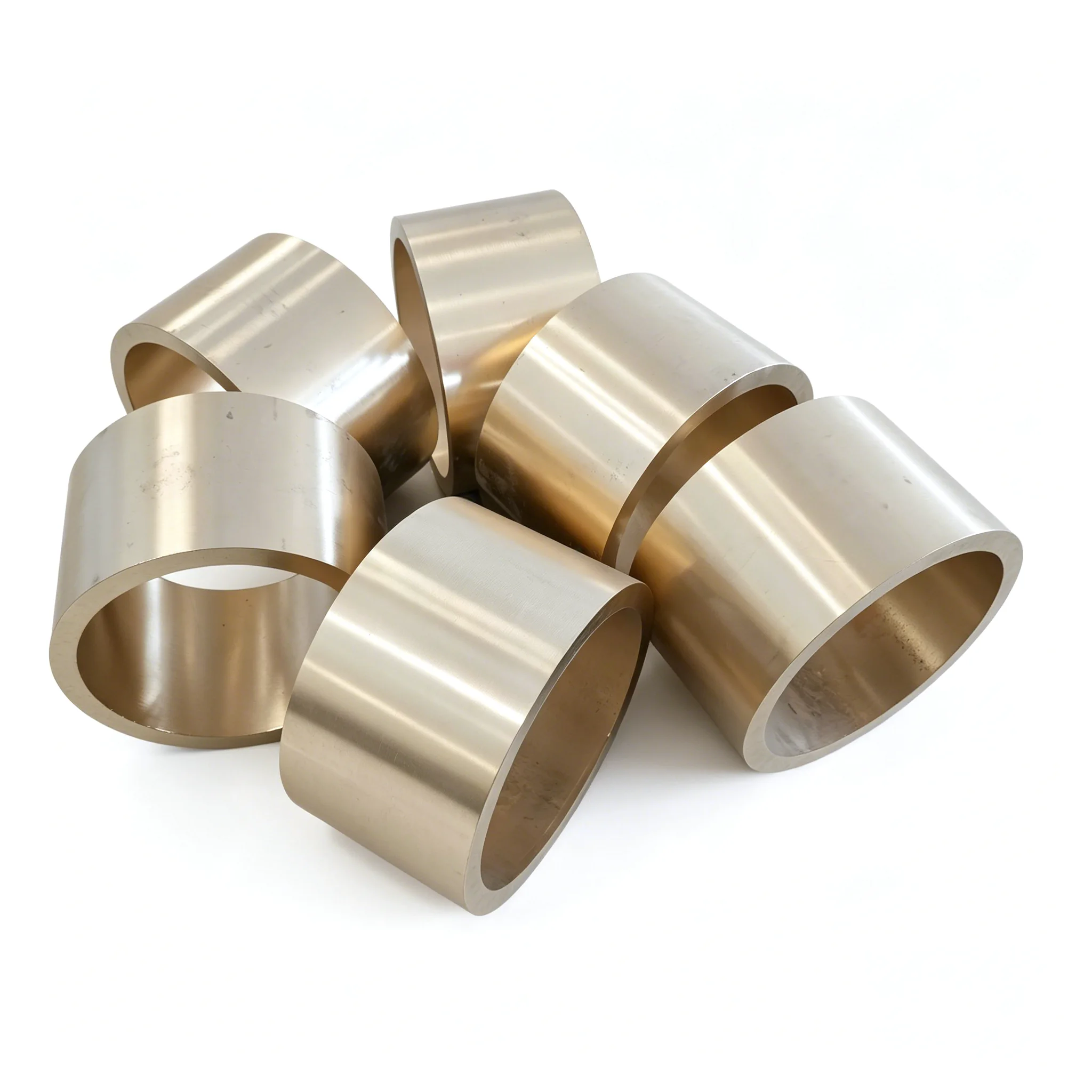
Table of Contents
- 1. Overview of High Conductivity Tin Bronze Components
- 2. What Are High Conductivity Tin Bronze Components?
- 3. Key Material Properties
- 4. Manufacturing and Engineering Considerations
- 5. Industrial Applications
- 6. Performance Comparison with Other Materials
- 7. Key Benefits in Industrial Systems
- 8. Common Challenges and Engineering Solutions
- 9. Selection and Procurement Guide
- 10. Frequently Asked Questions (FAQ)
1. Overview of High Conductivity Tin Bronze Components
High conductivity tin bronze components are engineered copper-based alloy parts that combine tin as a primary alloying element with optimized trace additions to improve conductivity and mechanical durability. Unlike standard bronze grades that prioritize hardness alone, these materials are designed to maintain stable electrical and thermal conductivity while still resisting wear, corrosion, and fatigue.
Industries that rely on continuous operation under load—such as power transmission systems, marine propulsion assemblies, and precision machinery—use these components to reduce downtime and improve efficiency. Suppliers like Fengquan specialize in delivering tailored tin bronze solutions for complex industrial requirements.
2. What Are High Conductivity Tin Bronze Components?
These components are typically manufactured from tin bronze alloys with controlled composition ratios. The objective is to balance three core performance factors:
- Electrical conductivity for energy transfer applications
- Mechanical strength for load-bearing performance
- Wear resistance for long service life
Common forms include bushings, bearings, electrical connectors, sliding plates, and precision-machined parts used in dynamic systems. Unlike general-purpose bronze, high conductivity variants are refined through controlled casting and thermomechanical processing techniques.
3. Key Material Properties
The performance of high conductivity tin bronze components is defined by a combination of physical and mechanical properties:
- Electrical Conductivity: Supports stable current flow in connectors and conductive assemblies.
- Thermal Conductivity: Efficient heat dissipation in high-load systems.
- Wear Resistance: Minimizes friction damage in moving parts.
- Corrosion Resistance: Performs reliably in marine and humid environments.
- Fatigue Strength: Maintains integrity under cyclic loading conditions.
These properties make tin bronze an ideal material in applications where steel or aluminum may fail due to wear or conductivity limitations.
4. Manufacturing and Engineering Considerations
The production of high conductivity tin bronze components involves precision metallurgy and strict process control. Key stages include alloy melting, directional solidification, heat treatment, machining, and surface finishing.
Manufacturers such as Fengquan focus on minimizing impurities and optimizing grain structure to enhance conductivity without compromising structural integrity. The use of controlled cooling rates ensures uniform microstructure, which is critical for high-performance applications.
- Controlled alloy composition management
- Vacuum or protected atmosphere casting
- Precision CNC machining
- Post-processing heat treatment for stress relief
5. Industrial Applications
High conductivity tin bronze components are used in multiple industrial sectors:
- Power Generation: Conductive bushings and connectors in turbines and transformers
- Marine Engineering: Bearings and propeller shaft sleeves resistant to seawater corrosion
- Automotive Industry: Wear-resistant sliding components in transmission systems
- Heavy Machinery: High-load bearings and structural joints
- Electrical Systems: Grounding components and conductive interfaces
Their versatility allows engineers to replace multiple materials with a single optimized alloy solution.
6. Performance Comparison with Other Materials
| Material | Conductivity | Wear Resistance | Corrosion Resistance | Typical Use |
|---|---|---|---|---|
| High Conductivity Tin Bronze | High | High | High | Bearings, connectors, marine parts |
| Steel | Low | Medium | Medium | Structural frameworks |
| Aluminum Alloy | Medium | Low | Medium | Lightweight structures |
| Standard Bronze | Medium | Medium | High | General mechanical parts |
7. Key Benefits in Industrial Systems
The integration of high conductivity tin bronze components leads to measurable operational improvements:
- Reduced maintenance frequency due to improved wear resistance
- Enhanced energy efficiency in conductive systems
- Longer equipment lifespan under high-load conditions
- Improved system stability in corrosive environments
- Lower total cost of ownership over lifecycle usage
These advantages make them particularly valuable in industries where downtime translates directly into financial loss.
8. Common Challenges and Engineering Solutions
Despite their advantages, engineering with tin bronze requires attention to several challenges:
- Cost Consideration: Higher material cost compared to standard alloys
- Machining Complexity: Requires specialized tooling for precision parts
- Design Sensitivity: Requires accurate load and conductivity modeling
Manufacturers like Fengquan address these challenges through optimized production processes, material recycling strategies, and application-specific engineering support.
9. Selection and Procurement Guide
Selecting the right high conductivity tin bronze component requires evaluating several key factors:
- Operating temperature and environmental exposure
- Electrical or thermal conductivity requirements
- Mechanical load conditions
- Expected service life
- Compatibility with mating materials
10. Frequently Asked Questions (FAQ)
Q1: What makes tin bronze “high conductivity”?
It refers to optimized alloy composition and processing techniques that improve electron and heat transfer efficiency compared to standard bronze.
Q2: Where are these components most commonly used?
They are widely used in electrical systems, marine engineering, heavy machinery, and power generation equipment.
Q3: Are they suitable for corrosive environments?
Yes, tin bronze performs exceptionally well in seawater and humid industrial environments due to its corrosion resistance.
Q4: How long do these components typically last?
Service life depends on application conditions, but they generally outperform standard alloys in wear-intensive environments.
Q5: Why choose Fengquan as a supplier?
Fengquan provides controlled material composition, precision manufacturing, and application-specific engineering support to ensure consistent performance.
High conductivity tin bronze components continue to play a critical role in modern industrial systems where reliability and efficiency are non-negotiable. With advanced manufacturing capabilities and material expertise, Fengquan delivers solutions tailored to demanding engineering environments.
For technical consultation, customized specifications, or bulk procurement solutions, contact us today and let Fengquan support your next engineering project with precision and reliability.